The energy landscape of the European Union is undergoing a significant transformation, with the Baltic Sea region emerging as a critical nexus for enhanced energy independence and market integration. In a move poised to reshape regional energy dynamics and unlock substantial investment opportunities, European Union Commissioner for Energy and Housing Dan Jørgensen, alongside energy ministers from the Baltic Energy Market Interconnection Plan (BEMIP) High-Level Group, recently formalized a new memorandum of understanding (MOU).
This strategic agreement signals an intensified commitment to forging a more cohesive and resilient energy market across the Baltics and the wider EU. Investors should note the clear directive: a concerted push towards vital infrastructure development, strengthening interconnections, bolstering the internal energy market, and aggressively advancing energy efficiency measures. Crucially, the MOU emphasizes leveraging the burgeoning potential of renewable energy sources, both onshore and offshore, which presents a fertile ground for green energy investment.
The Strategic Imperative: Fortifying EU Energy Security
Established in October 2008, BEMIP has consistently championed the integration of power and natural gas markets from countries bordering the Baltic Sea into the broader EU framework. Its High-Level Group comprises key stakeholders including the European Commission and eight EU member states: Denmark, Estonia, Finland, Germany, Latvia, Lithuania, Poland, and Sweden. Norway also participates as an observer, underscoring the regional significance of these initiatives.
The latest MOU, inked on the sidelines of an informal meeting of EU energy ministers in Warsaw, reinforces a multi-faceted approach to energy security. Ongoing efforts across the region are meticulously focused on safeguarding energy infrastructure, completing critical synchronization projects for the three Baltic States with continental European networks, and boosting transmission capacity in the remote Nordic area. Financially savvy investors will recognize these areas as ripe for capital deployment in grid modernization and expansion. Furthermore, the agenda includes developing a regional decarbonized gas market and actively working towards the decarbonization of existing gas systems, aligning with broader EU environmental goals and creating new markets for sustainable energy solutions.
A Historic Decoupling: Baltic States Break from Russian Grid
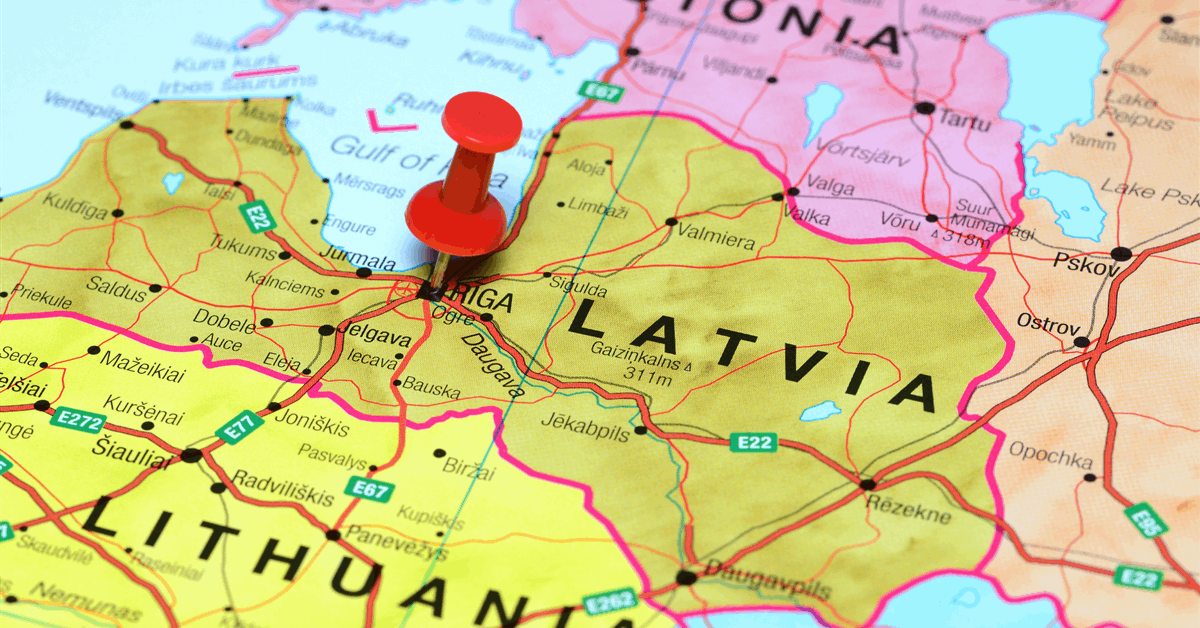
Perhaps one of the most impactful developments in recent months has been the complete decoupling of Estonia, Latvia, and Lithuania’s electricity transmission systems from Russia and Belarus. This monumental shift, completed in February, saw these nations successfully synchronize with the continental European network via Poland. The European Commission, a key financial backer of this synchronization project, confirmed on February 9th that Estonia, Latvia, and Lithuania are now fully independent from Russian and Belarusian electricity systems.
This move is more than just a technical adjustment; it represents a profound geopolitical and energy independence milestone. While these countries already had established power connections to Finland via Estlink 1 and Estlink 2, to Poland via LitPol Link, and to Sweden via NordBalt, their grids historically operated synchronously with Russia under the BRELL agreement of February 2001. This agreement effectively linked them, along with Belarus, to a grid where electricity frequency was controlled by Russia. The desynchronization liberates the transmission operators of these former Soviet Union states from this historical dependency, offering greater operational autonomy and market stability, which are attractive factors for long-term infrastructure investors.
Future-Proofing Energy Infrastructure: Investment Horizon
The newly signed BEMIP MOU outlines an ambitious roadmap for future energy development, extending beyond the immediate synchronization efforts. A dedicated BEMIP working group is actively tasked with finalizing all necessary infrastructure, projects, and market reforms that will underpin synchronous operation beyond the target date of February 2025. This long-term planning horizon provides clarity and confidence for private sector investment.
Crucially, the Baltic states and their regional partners explicitly acknowledge the imperative to facilitate substantial investments in “future-proof” energy infrastructure. This encompasses a comprehensive range of energy carriers, not limited to traditional electricity. The focus extends to emerging and rapidly growing sectors such as hydrogen, biomethane, and other innovative energy solutions. This diversified approach suggests a robust pipeline of projects requiring capital, from large-scale renewable energy generation facilities and smart grid technologies to specialized infrastructure for new energy vectors.
For financial institutions and energy sector investors, the renewed BEMIP commitment signals a period of dynamic growth and strategic development in the Baltic region. The emphasis on energy security, market integration, and decarbonization aligns perfectly with global investment trends focusing on sustainability and resilience. Companies positioned in renewable energy development, grid technology, energy storage, and green hydrogen stand to benefit significantly from these coordinated regional efforts. The clear political will and financial backing from the European Commission underscore the seriousness of these endeavors, mitigating some of the typical risks associated with large-scale energy infrastructure projects. As the EU continues its aggressive push for energy independence and climate neutrality, the Baltic Sea region will undoubtedly serve as a critical barometer for successful energy transition and a prime arena for strategic investments.


