Australia’s recent summer delivered an unprecedented series of climatic extremes, swinging from record-breaking heatwaves to torrential, flood-inducing rainfall. This volatility, as detailed by meteorological summaries, isn’t just a weather anomaly; it represents a significant and escalating challenge for the energy sector, influencing everything from operational costs and infrastructure resilience to demand patterns and investor sentiment. For astute oil and gas investors, understanding how these localized, yet increasingly frequent, extreme weather events ripple through the global energy landscape is crucial for navigating both short-term market movements and long-term investment strategies. Our proprietary market data and investor insights reveal a heightened focus on these very interdependencies, underscoring the need for a granular analysis of how climate risks translate into tangible energy market impacts.
Australia’s Extreme Summer: A Stress Test for Energy Demand and Infrastructure
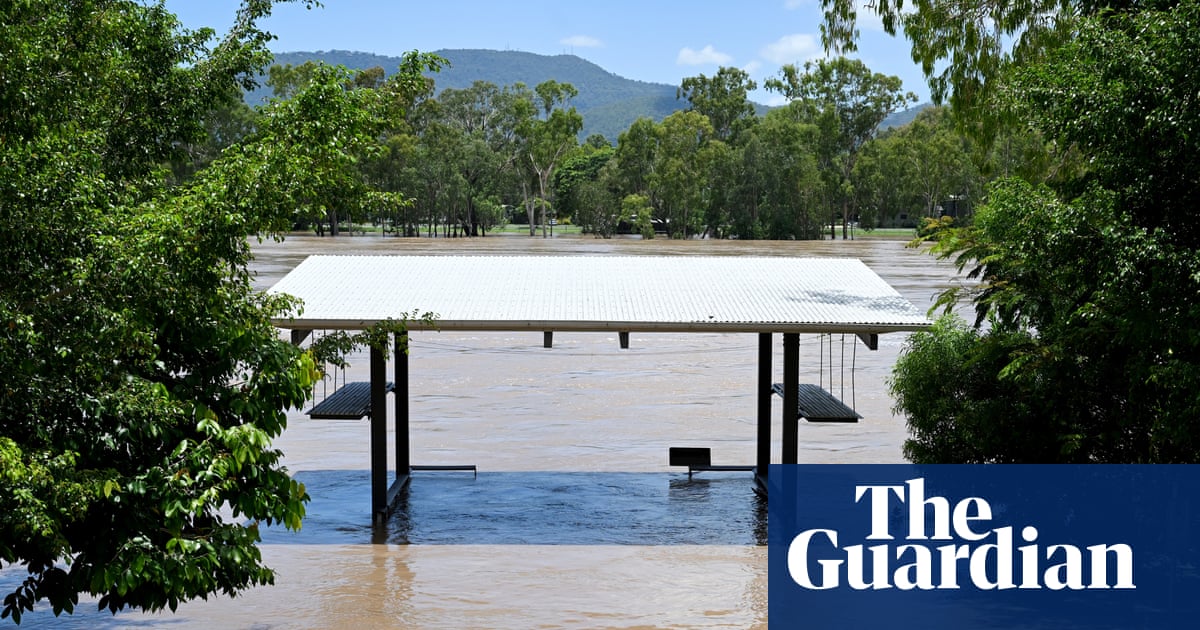
The 2025-26 Australian summer proved to be a stark example of climate volatility, presenting a dual challenge of intense heat followed by exceptional wetness. Nationwide, it was the wettest summer in nearly a decade, with rainfall 32% above average, marking the highest since 2016-17. Concurrently, it ranked as Australia’s eighth-hottest summer on record, registering 1.1°C above the 1961-1990 average. This included a particularly severe heatwave in late January, where 62 stations recorded their highest-ever daily maximum temperatures between January 26 and 31. South Australia bore the brunt, experiencing its fourth-hottest summer and recording blistering temperatures of 50°C in Andamooka and Port Augusta.
The immediate energy implications are profound. Extreme heat drives a surge in electricity demand for cooling, placing immense stress on power grids and generation capacity. Conversely, heavy rainfall and subsequent flooding, particularly the 356% above-average February rainfall in South Australia, can disrupt energy production, transportation, and refining operations. Such disruptions can lead to supply chain bottlenecks, impacting everything from domestic fuel availability to the export of Australia’s significant LNG resources. Investors are keenly observing these dynamics, with a noticeable uptick in questions related to regional energy supply stability and its potential influence on global commodity prices. The oscillation between these extremes forces energy operators to invest heavily in resilient infrastructure, adapt operational protocols, and manage heightened risk, all of which ultimately impact profitability and investor returns.
Global Market Backdrop: Volatility Amidst Regional Challenges
The localized energy challenges posed by Australia’s extreme weather do not occur in a vacuum; they interact with a dynamic and often volatile global energy market. As of today’s market close, Brent Crude trades at $93.9 per barrel, marking a +0.71% increase for the day, with its range fluctuating between $93.52 and $94.21. Similarly, WTI Crude stands at $90.38 per barrel, up +0.79%, having traded between $89.71 and $90.7. This modest daily uptick, however, contrasts sharply with the recent broader trend: Brent crude has seen a significant downward correction over the past 14 days, plummeting from $118.35 on March 31 to $94.86 on April 20, representing a substantial decline of nearly 20%. This pronounced volatility underscores the sensitivity of global oil prices to a confluence of factors, including geopolitical tensions, OPEC+ policy signals, and global demand shifts.
While Australia’s domestic energy demand and operational stability are directly impacted by its weather, the country’s role as a major LNG exporter means that any significant disruption to its energy infrastructure due to climate events can influence global natural gas markets. Investors are increasingly asking about the long-term price trajectory, with queries such as “what do you predict the price of oil per barrel will be by end of 2026?” reflecting a desire to understand how these persistent climate risks, alongside broader macroeconomic factors, will shape future commodity valuations. The interplay between regional climate impacts on supply and demand, and the broader global supply-demand balance, is a complex equation that demands constant re-evaluation.
Investor Focus: Operational Resilience and Forward-Looking Strategy
The recurrent nature of Australia’s extreme weather seasons, with meteorologists predicting these events to worsen, places a premium on operational resilience for energy companies. The “switching between dry and wet conditions was quite remarkable,” as one climate scientist noted, highlighting the need for adaptable strategies. This translates into significant capital expenditure for upgrading infrastructure to withstand both intense heat and severe flooding, from strengthening power transmission lines to protecting critical processing facilities. For investors, this means scrutinizing the climate risk disclosures and adaptation strategies of companies operating in vulnerable regions. Our reader intent data shows a strong interest in understanding the performance of specific operators, and while no single company is singled out in the context of Australia’s weather, the underlying question for investors is clear: how well are energy companies positioned to navigate these escalating environmental challenges and maintain consistent operations?
Beyond physical infrastructure, the operational challenges extend to workforce safety, supply chain logistics, and regulatory compliance. Companies must invest in advanced weather forecasting capabilities, emergency response planning, and diversified energy portfolios to mitigate risks. This strategic pivot towards greater resilience is not merely a cost center but an increasingly vital component of long-term value creation. Investors are looking for tangible evidence of proactive climate adaptation, recognizing that those companies that effectively manage these risks will be better positioned for sustained profitability in an increasingly volatile climate future.
Navigating the Near-Term with Upcoming Market Signals
For investors monitoring the energy sector, the coming fortnight presents several key events that will provide further insight into market dynamics, especially as regional climate impacts are continuously assessed. Tomorrow, April 21, the OPEC+ Joint Ministerial Monitoring Committee (JMMC) Meeting could signal shifts in global crude supply policy, which could either amplify or mitigate any demand-side pressures from regions like Australia. The weekly rhythm of market data continues with the EIA Weekly Petroleum Status Report on April 22 and April 29, offering critical updates on U.S. crude inventories, refinery utilization, and product supplied, which serve as bellwethers for global demand. Any significant shifts here could be influenced by broader economic sentiment, which in turn reflects the resilience of energy systems to various shocks, including those from climate.
Furthermore, the Baker Hughes Rig Count on April 24 and May 1 will provide a pulse check on upstream activity, indicating investor and operator confidence in future production. Finally, the EIA Short-Term Energy Outlook on May 2 will offer a comprehensive forecast for energy markets, potentially incorporating assessments of recent global demand and supply trends, and implicitly, the impact of significant weather events on regional energy balances. Investors are actively seeking clarity on market direction, with questions like “is WTI going up or down?” demonstrating the immediate need for actionable insights. By closely tracking these upcoming events and understanding how they intersect with evolving climate risks, investors can make more informed decisions in a complex and rapidly changing energy landscape.


