Australia’s Escalating Climate Costs: A Critical Lens for Energy Investors
Australia faces an undeniable and rapidly escalating financial burden from extreme weather events, with annual insurance claims now averaging an staggering $4.5 billion. This figure represents nearly a threefold increase since the 1990s, signaling a profound shift in climate risk that demands the attention of global energy investors. While geographically localized, the sheer scale of these costs, coupled with Australia’s significant role in global energy exports—particularly LNG—creates ripple effects that can influence supply chains, infrastructure resilience, and ultimately, commodity prices. For those navigating the complexities of the oil and gas market, understanding this accelerating climate-driven financial drain is no longer peripheral; it’s central to assessing long-term asset viability and market stability.
The Soaring Price Tag of Climate Disruption for Energy Infrastructure
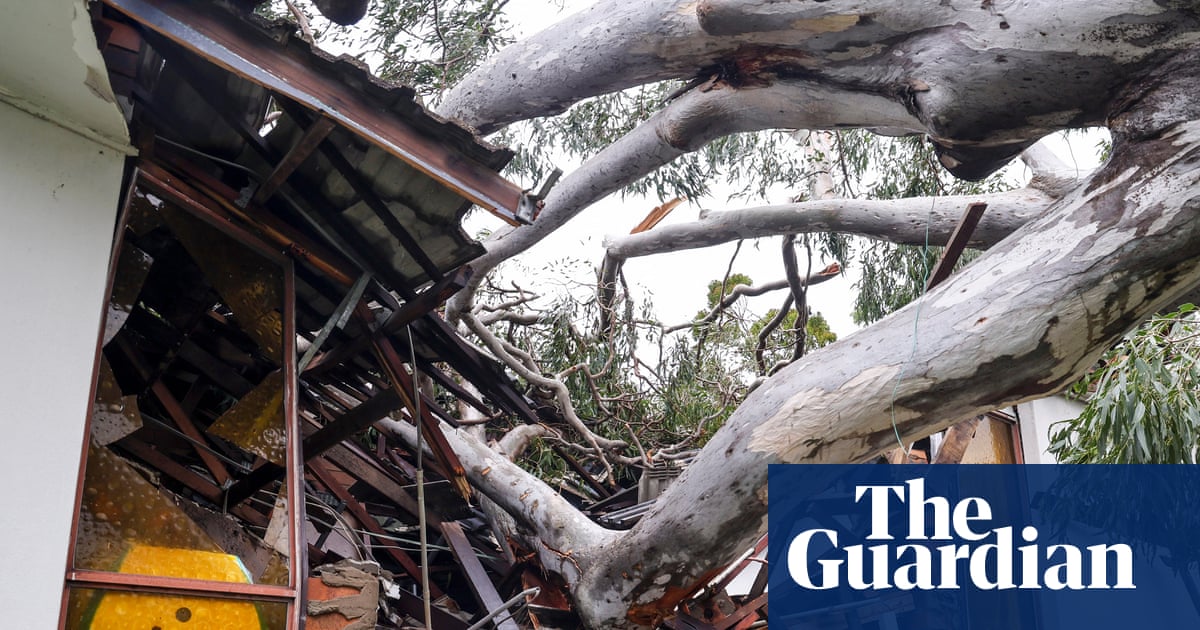
The latest industry reports paint a stark picture: the 2020s have seen extreme weather events in Australia generate an average of $4.5 billion in insurance claims annually. The year 2025 alone saw three declared catastrophes account for nearly $2 billion in claims, primarily impacting housing. Ex-Tropical Cyclone Alfred, for instance, left a trail of over $1.4 billion in household and business claims, with subsequent flooding in north Queensland and New South Wales adding another $540 million. These figures, while focused on general economic losses, underscore the vulnerability of critical infrastructure that underpins Australia’s energy sector. Ageing infrastructure, coupled with a growing population in increasingly exposed regions, amplifies the risk to ports, pipelines, processing facilities, and LNG export terminals. Moreover, the report highlights that nearly half of Australia’s annual extreme weather losses remain uninsured, a significantly higher proportion than in countries like the US, New Zealand, or Canada where only about one-third of losses are uninsured. This “hidden” financial exposure adds another layer of systemic risk, potentially impacting government budgets, local economies, and the social license for large-scale energy projects.
Market Volatility and Climate Risk: A Confluence for Commodity Prices
The escalating costs of climate events in a major energy-exporting nation like Australia intersect with broader market dynamics, contributing to a landscape of increased volatility. As of today, Brent crude trades at $90.38, representing a significant daily decline of 9.07%, while WTI crude is at $82.59, down 9.41%. This recent downturn follows a notable 14-day trend where Brent has shed nearly 20% of its value, falling from $112.78 to its current price. While immediate market movements are often driven by geopolitical tensions or inventory data, the persistent and growing threat of climate-induced disruptions in key production regions adds a structural uncertainty. Our readers are keenly watching these trends, with many asking about the trajectory of oil prices by the end of 2026. The increasing frequency and intensity of events like those seen in Australia introduce an unpredictable variable into long-term supply forecasts. Energy companies operating in Australia, from upstream exploration to LNG liquefaction and export, face direct operational risks, potential supply chain disruptions, and increased insurance premiums, all of which can ultimately impact profitability and investor returns. This heightened risk profile mandates a more nuanced approach to valuation, factoring in climate resilience alongside traditional metrics.
Navigating Upcoming Events Amidst Evolving Climate Challenges
The coming weeks present several key events that will shape the immediate energy market, but their implications must now be viewed through the lens of long-term climate risk. The OPEC+ Ministerial Meeting on April 19th, for instance, will be critical in determining global production quotas and near-term supply. Many investors are currently asking about OPEC+’s current production targets, highlighting the focus on supply-side management. However, even if OPEC+ maintains a tight market, the potential for climate-related disruptions in other major producing or exporting regions, such as Australia, could create unforeseen supply shocks that conventional analysis might miss. Beyond OPEC+, the API Weekly Crude Inventory (April 21st, 28th) and EIA Weekly Petroleum Status Report (April 22nd, 29th) will provide crucial insights into US supply and demand. Similarly, the Baker Hughes Rig Count (April 24th, May 1st) offers a forward look at drilling activity. While these events typically drive short-term price movements, the underlying vulnerability of global energy infrastructure to extreme weather events adds a layer of systemic risk that can exacerbate market reactions to any perceived supply tightness or demand shifts. Investors must consider how climate resilience, or lack thereof, could amplify the impact of these conventional market drivers, particularly for Australian energy assets whose export capacity is directly exposed to these growing threats.
Strategic Investment in an Era of Climate Risk: Australian Energy Outlook
For investors focused on the oil and gas sector, Australia’s escalating climate costs demand a re-evaluation of investment strategies. Our proprietary data indicates that readers are increasingly seeking deeper insights into how advanced analytical tools, like EnerGPT, integrate diverse data sources, including climate risk metrics, to power market predictions. This signals a growing recognition that traditional financial models may no longer adequately capture the full spectrum of risks. The stark reality, as articulated by Professor Seth Westra, a climate risk expert, is that there is “absolutely no sign of that stopping,” with insured costs for fires, floods, coastal inundation, and tropical cyclones on an “upward trajectory.” This necessitates a strategic shift towards companies demonstrating robust climate adaptation and mitigation plans. Investments in resilient infrastructure, diversification into renewable energy assets that can complement or stabilize traditional energy grids, and a focus on companies with lower carbon footprints or those actively developing carbon capture technologies, may offer a hedge against future climate-related financial shocks. Furthermore, the disproportionate burden on poorer communities from extreme weather could lead to increased regulatory scrutiny or social pressures on energy projects, particularly those perceived as contributing to climate change. Smart investors will prioritize due diligence on environmental, social, and governance (ESG) factors, understanding that climate resilience is rapidly becoming a core component of long-term financial stability in the Australian energy market and beyond.