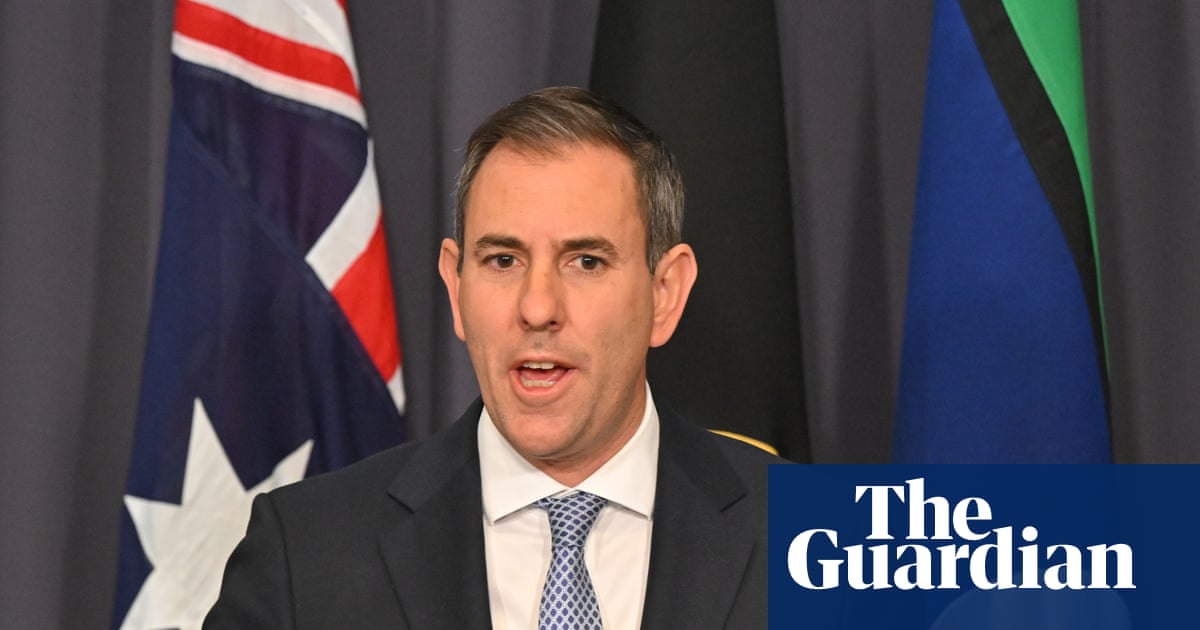
Australia’s upcoming economic reform roundtable is poised to dramatically influence the nation’s energy future, signaling a potential pivot in the approach to green policy that demands close attention from oil and gas investors. With a notable leaning towards business and industry representation among the 37 invitees, including four peak business groups and key figures with ties to major resource companies, the discussion next month is shaping up to prioritize economic stability and growth within the framework of environmental considerations. This composition contrasts sharply with the limited presence of traditional environmental advocates, suggesting that the dialogue will emphasize practical economic levers over stricter conservationist mandates. For investors grappling with the complex interplay of regulatory risk and opportunity, this signals a potentially more industry-friendly policy landscape, particularly as they seek to build a base-case Brent price forecast for the next quarter or determine a consensus 2026 Brent outlook. The very foundation of long-term capital allocation in the Australian energy sector could be redefined by the outcomes of these high-level discussions, making it imperative to understand the dominant voices at the table.
The Shifting Sands of Australian Policy Influence
The composition of invitees to next month’s economic summit in Canberra reveals a strategic emphasis on business and economic stakeholders, which has significant implications for future green policy in Australia. With all four of Australia’s peak business groups – the Business Council of Australia, Australian Chamber of Commerce and Industry, Australian Industry Group, and Council of Small Business Organisations of Australia – securing representation, the consensus-building process is likely to be heavily weighted towards commercial and industrial imperatives. In stark contrast, traditional environmental organizations have largely been overlooked, with only one invitee, former Treasury secretary Ken Henry, having strong environmental advocacy ties, albeit primarily invited for his expertise in tax reform. This imbalance suggests that the government is keen to forge reforms that lift living standards by leveraging existing economic strengths, including the resource sector, rather than imposing potentially disruptive green mandates. For investors tracking the long-term viability of Australian energy projects, this signals a potential easing of regulatory pressures and a greater focus on economic output, directly influencing their capital allocation decisions and risk assessments for the coming years.
Market Realities and Policy Prioritization
Against a backdrop of global energy market flux, the policy direction emerging from Canberra takes on added significance. As of today, Brent Crude trades at $94.66, marking a slight dip of 0.28% within a day range of $94.59-$94.91. Similarly, WTI Crude stands at $90.77, down 0.57% for the day. This current stability, however, masks a more significant downward trend; Brent has shed approximately $9, or 8.8%, over the past 14 days, falling from $102.22 on March 25th to $93.22 on April 14th. Gasoline prices also reflect this softening, trading at $2.99, down 0.67%. This recent softening in crude prices, coupled with the government’s stated aim to “lift living standards” through economic reforms, likely amplifies the focus on economic pragmatism. In such an environment, policies that support existing revenue streams and job creation from established industries, including oil and gas, may gain traction over initiatives perceived as economically disruptive or high-cost. The emphasis on practical economic levers suggests that the immediate benefits of resource exploitation could weigh heavily in policy formulation, potentially easing the path for new projects or extensions that might otherwise face stricter environmental hurdles.
Industry Advocates at the Table: What it Means for O&G
The robust representation of business and industry at the upcoming summit provides a crucial lens through which to evaluate future policy impacts on Australia’s oil and gas sector. Notably, figures like Ben Wyatt, a former Western Australian treasurer now serving on the boards of gas giant Woodside and miner Rio Tinto, bring direct industry experience and perspective to the table. His presence, alongside representatives from the Business Council of Australia, Australian Chamber of Commerce and Industry, and Australian Industry Group, ensures that the economic realities and operational needs of major resource developers are heard loud and clear. For investors monitoring the performance of Australian LNG exporters, this institutional alignment could translate into more predictable regulatory pathways for critical projects. With readers frequently asking about drivers for Asian LNG spot prices and the operational status of Chinese ‘tea-pot’ refineries, the stability of Australian supply is paramount. Policies that facilitate efficient production and export, rather than imposing new restrictions, would directly bolster Australia’s competitive position in the crucial Asian market, securing long-term contracts and supporting continued investment in vital infrastructure.
Navigating Future Uncertainty: Key Dates and Investor Outlook
While Australia’s domestic policy shifts are critical, global energy market dynamics will continue to shape the broader investment landscape. The next two weeks are packed with events that could introduce significant volatility, providing essential context for Australian policy decisions. The industry will closely watch the Baker Hughes Rig Count on April 17th and 24th for indicators of drilling activity, while the OPEC+ Joint Ministerial Monitoring Committee (JMMC) meeting on April 18th, followed by the Full Ministerial meeting on April 20th, will be decisive for global supply policy. Further insights into inventory levels will come from the API Weekly Crude Inventory on April 21st and 28th, and the EIA Weekly Petroleum Status Report on April 22nd and 29th. For investors, these global benchmarks provide the macro context for Australia’s micro-level policy decisions. Should OPEC+ maintain or adjust production cuts, or if inventory data signals tightening supply, the economic imperative for Australia to leverage its natural resources could be reinforced. Conversely, a loosening global market might provide more political space for more stringent environmental considerations. The interplay between Australia’s business-led policy shaping and these critical global energy events will define the risk-reward profile for oil and gas investments in the region for the foreseeable future, demanding a flexible and informed investment strategy.
Ultimately, the Australian government’s approach to green policy, heavily influenced by business voices at the upcoming summit, represents a significant juncture for the nation’s energy sector. Investors must recognize that the push for economic reform, set against a backdrop of fluctuating global crude prices and critical upcoming market events, is likely to foster a policy environment that, while not abandoning environmental goals, will prioritize economic stability and industry viability. The strategic positioning of industry-aligned figures at the policy table suggests a pragmatic path forward, one that could offer more certainty for resource projects and continued growth for companies operating in the Australian oil and gas landscape. Vigilance regarding both domestic policy announcements and global market indicators will be key to navigating the evolving investment opportunities.


