India’s Strategic Gas Prioritization Amidst Global Energy Shocks
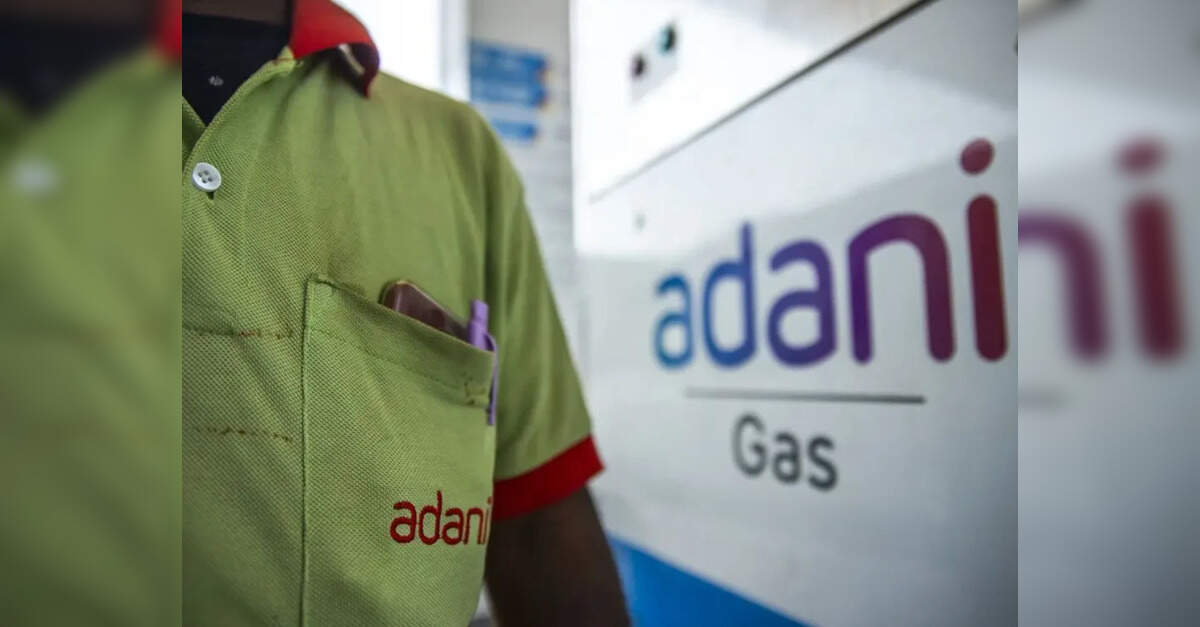
The global energy landscape continues its turbulent dance, and India’s recent regulatory actions underscore the growing imperative for energy security amidst escalating geopolitical tensions. The Indian government’s Natural Gas (Supply Regulation) Order, 2026, issued on March 9 by the Ministry of Petroleum and Natural Gas, represents a decisive move to shield essential domestic consumption from international supply disruptions. This directive prioritizes the allocation of natural gas to domestic piped natural gas (PNG) and transport compressed natural gas (CNG) sectors, ensuring up to 100% of their past six-month average consumption. While this provides crucial stability for households and commuters, it simultaneously curtails supplies to industrial customers, creating a complex operating environment for city gas distributors like Adani Total Gas.
Adani Total Gas Limited has acknowledged the government’s intervention, expressing appreciation for the prioritization of household and transport segments. However, the company also confirmed that some of its gas suppliers have already curtailed deliveries, directly impacting its ability to serve industrial consumers. These industrial segments, which include fertilizer plants (now allocated 70% of average consumption) and other manufacturing units (around 80%), are now facing a significant reduction in their gas feedstock. While the market initially reacted positively to the perceived stability for Adani Total Gas’s core domestic business, with shares trading up 18.35% at ₹561.40 on Wednesday, the long-term financial implications of reduced industrial supply remain a key focus for investors as the company assesses the full impact and takes mitigation steps.
Geopolitical Crosscurrents and Divergent Market Realities
The government’s invocation of the Essential Commodities Act, 1955, highlights the severity of the supply disruptions stemming from the Middle East. Ongoing conflicts in the region have directly impacted liquefied natural gas (LNG) shipments, particularly those transiting the vital Strait of Hormuz, leading some suppliers to invoke force majeure clauses and divert cargoes. This underscores the fragility of global energy supply chains and the immediate, tangible effects of geopolitical instability on specific energy segments.
Interestingly, while these natural gas supply chains face acute stress, the broader crude oil market has shown a more nuanced trend. As of today, Brent Crude trades at $92.86, reflecting a slight dip of 0.41% within a day range of $92.57 to $94.21. Similarly, WTI Crude is at $89.29, down 0.42% for the day. This current snapshot follows a noticeable softening in crude prices over the past two weeks, with Brent declining by 7% from $101.16 at the beginning of April to $94.09 recently. This divergence illustrates a crucial point for investors: global crude markets, influenced by a multitude of factors including demand outlooks and broader economic sentiment, do not always move in lockstep with specific regional natural gas supply dynamics. While crude prices may be easing, localized or regional disruptions, especially in critical choke points like the Strait of Hormuz, can create significant bottlenecks and price pressures in the natural gas and LNG sectors, directly impacting distributors and industrial consumers downstream.
Investor Focus: Navigating Price Outlook and Corporate Resilience
The prevailing market sentiment, as evidenced by investor queries, is heavily focused on future price direction and the resilience of energy companies in this volatile environment. Questions like “is WTI going up or down” or “what do you predict the price of oil per barrel will be by end of 2026?” reflect a deep-seated uncertainty that extends beyond crude to the entire energy complex, including natural gas. For investors eyeing companies like Adani Total Gas, the key lies in understanding how regulatory shifts and supply disruptions translate into corporate performance.
The Indian government’s move, while challenging for industrial clients, effectively de-risks a substantial portion of Adani Total Gas’s revenue stream by guaranteeing supply to the stable and inelastic domestic PNG and transport CNG segments. This strategic prioritization provides a bedrock of demand and regulatory support. However, investors will be closely scrutinizing the company’s ability to mitigate the impact on its higher-margin industrial business. The focus shifts to Adani Total Gas’s sourcing flexibility, its contractual arrangements with suppliers, and its capacity to optimize its distribution network to manage the curtailments. Companies that can demonstrate robust supply chain management, diversified sourcing strategies, and a strong balance sheet to navigate these turbulent waters will likely garner investor confidence, similar to how investors evaluate the broader performance of firms like Repsol in such a dynamic environment.
Upcoming Catalysts and Forward-Looking Supply Dynamics
The coming weeks are packed with critical data releases that will offer further insights into the global energy balance, which, while often crude-centric, can inform natural gas market sentiment and supply chain resilience. Investors should closely monitor the EIA Weekly Petroleum Status Reports scheduled for April 29 and May 6, as well as the API Weekly Crude Inventory updates on April 28 and May 5. These reports provide a granular view of U.S. crude oil and product inventories, refinery utilization, and demand indicators, offering indirect cues about global energy consumption trends.
Even more directly relevant is the EIA Short-Term Energy Outlook, set to be released on May 2. This comprehensive forecast will provide updated projections for global energy markets, potentially offering clarity on the expected trajectory of natural gas supply and demand, and a more detailed assessment of the ongoing impact of geopolitical events on LNG flows. Additionally, the Baker Hughes Rig Counts on April 24 and May 1 will offer a timely snapshot of upstream drilling activity, signaling broader industry confidence and potential future supply capacity. For Adani Total Gas, the immediate future will involve a detailed assessment of the operational and financial implications of the new gas order. The company’s strategic responses, including potential negotiations for alternative industrial gas supplies or adjustments to its long-term growth plans in the industrial segment, will be pivotal in shaping its performance through the remainder of 2026 and beyond.


