New Delhi: Asian countries are the most at risk from oil and gas supply disruptions in the Strait of Hormuz, with Japan facing the highest risk, followed by South Korea and India, according to international research group Zero Carbon Analytics.
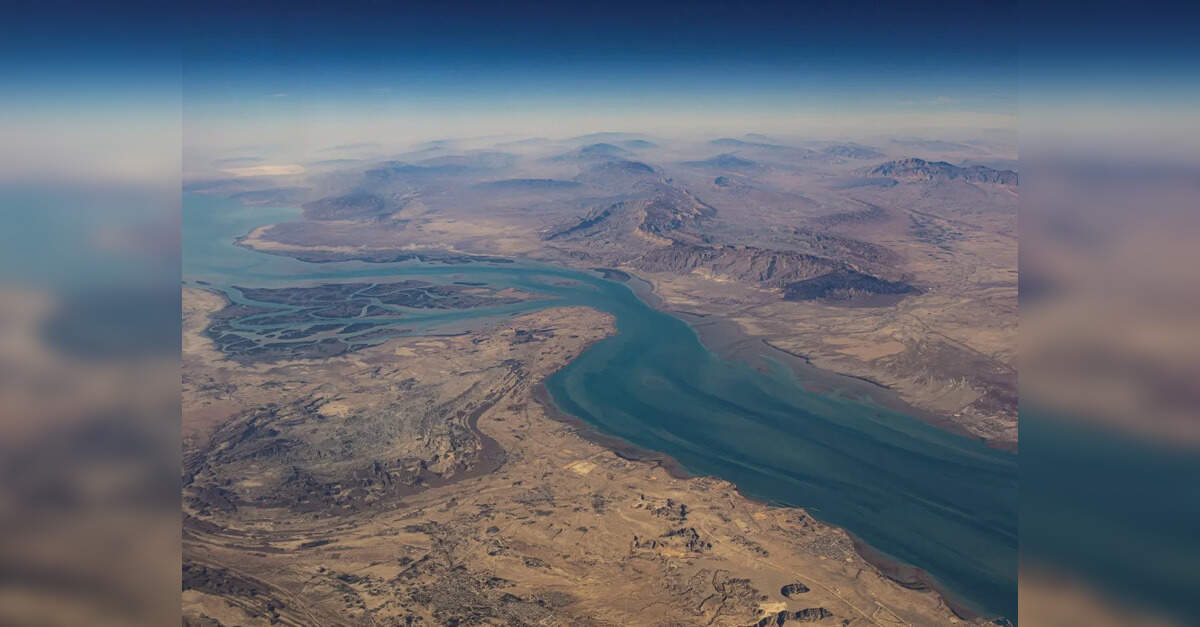
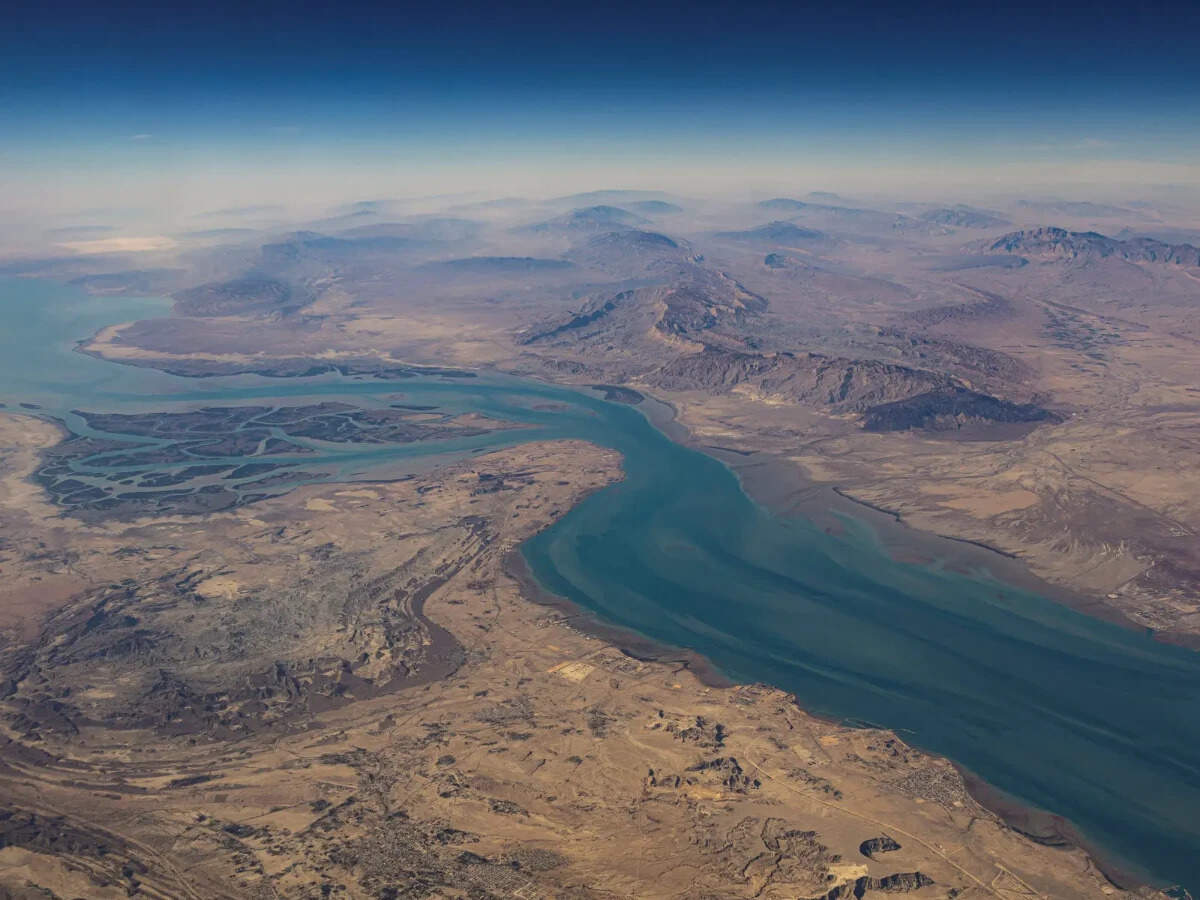
The Strait of Hormuz lies between Iran and Oman on the Arabian Peninsula and connects the Persian Gulf with the Arabian Sea. The shipping lanes in the strait are only two miles wide in each direction, but around 20 per cent of the world’s oil and liquified natural gas (LNG) flows through them.
The narrow chokepoint is the main route for oil exported from major Middle-East producers, including Saudi Arabia, Iraq and Iran, and the only route for LNG from Qatar and the United Arab Emirates (UAE) to enter global markets.
“Around 20 per cent of the world’s oil and LNG passes through the two-mile-wide shipping lanes in the Strait of Hormuz, making it a major chokepoint in global energy supply.
Iran may disrupt or block the shipping route. Four Asian countries — China, India, Japan and South Korea — account for 75 per cent of oil and 59 per cent of LNG flows through the strait. China and India are the largest single destinations for oil and LNG travelling through the strait,” the research group said.