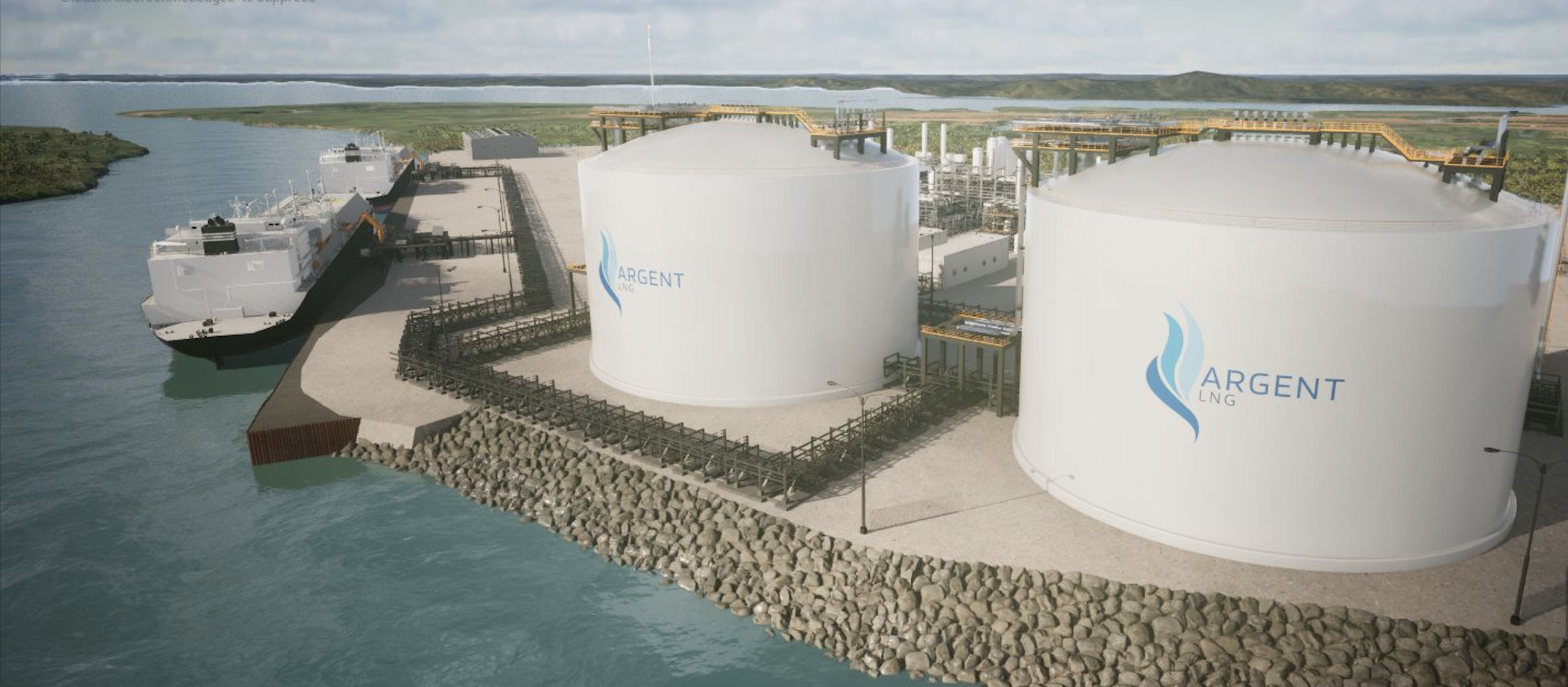
Argent LNG Port Fourchon De-risked
The journey of a major energy infrastructure project from concept to operational reality is fraught with regulatory hurdles, financial complexities, and market uncertainties. For investors tracking the burgeoning U.S. liquefied natural gas (LNG) export sector, the recent formal submission by Argent LNG to enter the Federal Energy Regulatory Commission (FERC) pre-filing process for its Port Fourchon terminal represents a significant de-risking event. This critical regulatory milestone for the proposed 25 million tonnes per annum (MMtpa) facility in Louisiana signals a clearer path forward, positioning Argent LNG as a formidable contender in the next wave of American energy exports and offering a compelling narrative for long-term strategic positioning.
Navigating Regulatory Waters: A Blueprint for Confidence
The FERC pre-filing process is far more than a bureaucratic checkbox; it is a structured, transparent engagement designed to proactively address environmental, engineering, and community considerations. By initiating this formal review, Argent LNG is not merely seeking approval but is actively mitigating future development risks. This early and coordinated approach with federal, state, and local regulators, alongside community stakeholders, is a hallmark of robust project planning. For sophisticated investors, this proactive engagement translates directly into reduced permitting uncertainty and a more predictable development timeline. The sheer scale of 25 MMtpa places Argent LNG among the largest planned facilities globally, and its successful navigation of these initial regulatory steps is crucial for attracting the substantial capital required to bring such a monumental project to fruition. This measured approach also underpins the project’s commitment to responsible development, a factor increasingly vital for environmental, social, and governance (ESG) conscious investment mandates.
Market Realities and the Enduring Demand for LNG
While the long-term outlook for LNG remains robust, fueled by global energy security imperatives and the transition away from higher-carbon fuels, the broader energy market continues to exhibit daily volatility. As of today, Brent crude trades at $98.03, reflecting a 1.37% dip from its daily high, while WTI sits at $89.76, down 1.55%. This short-term market fluctuation, underscored by a 14-day Brent trend that saw prices decline by 12.4% from $112.57 to $98.57, prompts careful consideration. However, it’s crucial to differentiate between crude oil spot prices and the fundamental drivers of long-term natural gas demand and LNG project viability. Major LNG export facilities, with their multi-decade investment horizons, are less susceptible to transient crude price movements than they are to structural shifts in global energy policy and demand. The ongoing need for reliable, cost-effective energy in importing nations across Europe, Africa, South Asia, and South America continues to underpin the strategic importance of U.S. LNG. Furthermore, the U.S. domestic natural gas market, with its abundant low-cost supply, offers a significant competitive advantage for export projects like Argent LNG, providing a stable foundation even amidst broader energy market shifts.
Strategic Advantages and Investor Priorities
Investors are increasingly focused on the core fundamentals that differentiate projects in a competitive landscape. Our platform’s intent data reveals a keen interest in the underlying data sources and models that power market insights, reflecting a desire for transparency and robust project economics. Argent LNG addresses these concerns directly through its strategic location and technological approach. Anchored on a 900-acre site under a 90-year lease at Port Fourchon, the project benefits from unparalleled deepwater access to the Gulf of Mexico, bypassing congestion and optimizing shipping routes. This location also boasts proximity to three abundant low-nitrogen feed gas pipelines, ensuring a reliable and cost-effective supply. Furthermore, the project’s commitment to modular innovation, integrating proven technology from industry leaders like Baker Hughes, Honeywell UOP, ABB, and GTT, directly speaks to investor demands for efficiency and reduced execution risk. This modular construction approach is designed to cut costs, accelerate timelines, and minimize environmental impact, delivering unmatched efficiency, reliability, and scalability in U.S. LNG exports. These elements collectively paint a picture of a project designed for long-term competitiveness and operational excellence, directly appealing to investors seeking robust, data-backed project fundamentals.
Forward-Looking Catalysts and Market Signals
While the FERC pre-filing is a significant step, the path to first LNG requires continuous monitoring of both project-specific milestones and broader market signals. In the immediate future, market participants will keenly watch the OPEC+ Ministerial Meeting scheduled for April 20th, following the JMMC on April 18th. While these directly impact crude supply, the broader sentiment they generate around global energy policy and stability can influence the long-term investment landscape for major energy infrastructure like Argent LNG. Closer to home, the weekly API and EIA crude inventory reports on April 21st, 22nd, 28th, and 29th will offer insights into domestic supply and demand dynamics, which, while not directly tied to LNG project permitting, contribute to the overall health and confidence in the U.S. energy market. For Argent LNG, the coming months will involve intensive environmental review and stakeholder engagement. Investors should track subsequent FERC filings, public comment periods, and any announcements regarding final investment decisions (FIDs) as these will serve as critical de-risking events, progressively solidifying the project’s timeline and financial commitments. The successful navigation of these intertwined regulatory and market signals will further cement Argent LNG’s position as a premier global LNG supplier, offering a clear growth trajectory for patient capital.