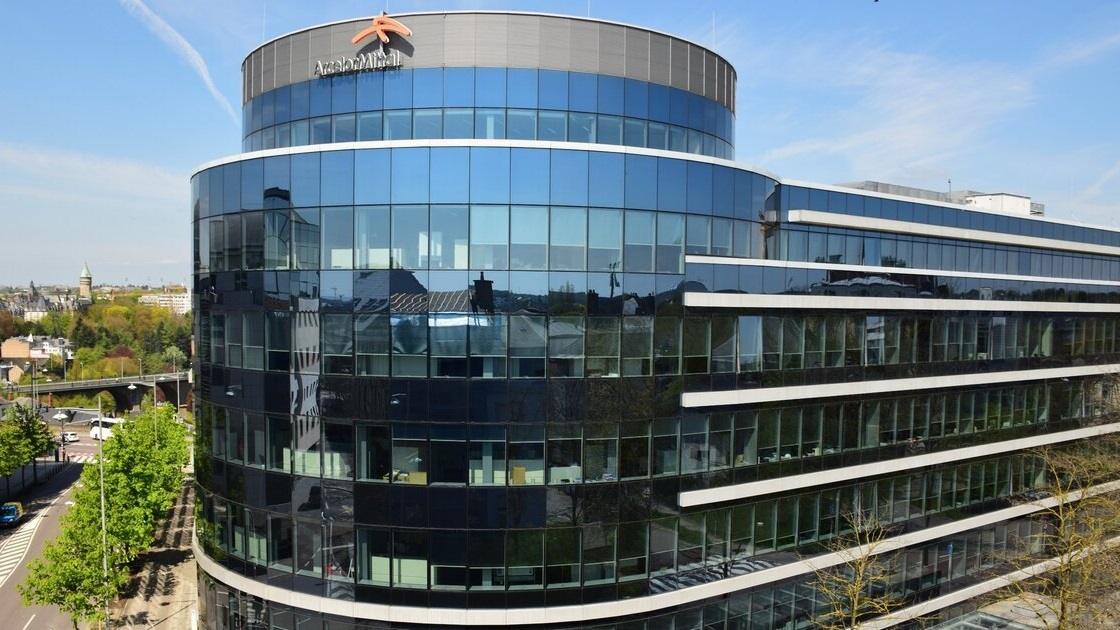
ArcelorMittal’s recent commitment of €1.3 billion ($1.5 billion) towards a new electric arc furnace (EAF) in Dunkirk, France, serves as a potent signal of the accelerating energy transition within heavy industry. This investment, aimed at decarbonizing steel production by 2029, is not merely a corporate sustainability play; it represents a tangible shift in energy demand patterns that will reverberate across the oil and gas landscape. For astute investors, understanding the underlying drivers — from evolving policy frameworks to the nuanced energy inputs of green technologies — is paramount to navigating the opportunities and challenges ahead in a rapidly changing global energy matrix.
The Green Steel Imperative: Reshaping Energy Demand
The steel industry, historically one of the most carbon-intensive sectors, contributing 7% to 9% of global fossil fuel-related direct emissions, is undergoing a profound transformation. ArcelorMittal’s decision to build a 2-million-ton capacity EAF, capable of producing steel with three times less CO2 emissions than traditional blast furnaces (targeting 0.6 tons CO2 per ton of steel), highlights a critical pivot. This shift from coal-intensive blast furnaces to EAFs fundamentally alters the energy demand profile. While it reduces the reliance on metallurgical coal, it significantly increases the demand for electricity. Furthermore, the EAF pathway often utilizes direct reduced iron (DRI), which, in its current primary form, is produced using natural gas. This means that while the carbon footprint per ton of steel decreases, the demand for natural gas as a feedstock for DRI production remains a crucial component of the “green” steel value chain, at least in the near term.
The company explicitly cited favorable policy changes, including tariffs designed to mitigate “unfair imports” and the Carbon Border Adjustment Mechanism (CBAM), as key enablers for the project’s financial viability. These regulatory tailwinds underscore a broader trend: governments are increasingly using policy levers to incentivize industrial decarbonization, creating a more level playing field for producers investing in greener technologies. For energy investors, this signals a future where carbon pricing and trade policies will play an ever-greater role in shaping demand for different energy sources and feedstocks.
Navigating the Current Crude Climate: Volatility Amidst Transition
Against the backdrop of these long-term industrial shifts, the crude oil market continues its dynamic dance. As of today, Brent Crude trades at $92.99, marking a 2.83% increase, with WTI Crude at $89.4, up 2.26%. These figures reflect a rebound from recent lows; our proprietary data indicates Brent had seen a significant decline, dropping from $118.35 on March 31st to $94.86 just yesterday. This short-term volatility highlights the complex interplay of geopolitical factors, supply dynamics, and broader economic sentiment that continue to drive daily price movements, even as the global energy transition gains momentum.
While green steel initiatives like ArcelorMittal’s primarily impact coal and natural gas demand, the overall narrative of decarbonization subtly pressures long-term crude demand projections. Investors must consider how sustained high crude prices, if they persist, could further accelerate the adoption of electrification and alternative fuels across various sectors, indirectly influencing the pace of the energy transition. Conversely, dips in crude prices might temporarily ease the urgency for some industrial players to switch away from fossil-fuel-intensive processes, though the policy landscape appears increasingly designed to counteract such delays.
Future Energy Trajectories: Upcoming Catalysts and Strategic Positioning
The long-term implications of investments like the Dunkirk EAF are profound, extending far beyond the steel sector itself into the broader energy complex. With the EAF scheduled for operation in 2029, the next few years will be critical for energy producers and infrastructure providers to adapt. Our proprietary calendar of upcoming energy events offers key junctures for investors to gauge market direction and refine their strategies. This Tuesday, the OPEC+ JMMC Meeting could provide fresh insights into crude oil supply decisions, directly impacting near-term price stability. The subsequent EIA Weekly Petroleum Status Reports on Wednesday and April 29th, alongside the Baker Hughes Rig Counts on Friday and May 1st, will offer crucial data on inventory levels and drilling activity, shaping expectations for both crude and natural gas supply.
Looking further ahead, the EIA Short-Term Energy Outlook on May 2nd will be particularly relevant. This report will offer updated forecasts on demand and supply, which could either reinforce or challenge the investment thesis around natural gas, especially given its role in DRI production for green steel. For investors, these events are not just about crude oil; they are about understanding the entire energy ecosystem. The increasing demand for electricity and natural gas as feedstocks for industrial decarbonization means that companies positioned in these segments, particularly those with strong renewable energy portfolios or low-cost natural gas assets, stand to benefit from these structural shifts.
Investor Pulse Check: Navigating Price Uncertainty and Green Opportunities
Our proprietary reader intent data reveals a consistent theme this week: investors are acutely focused on market direction, with questions like “is WTI going up or down?” and “what do you predict the price of oil per barrel will be by end of 2026?” dominating inquiries. This reflects the inherent uncertainty in commodity markets, even as the long-term decarbonization trend solidifies. While short-term price movements are influenced by immediate supply-demand imbalances, geopolitical events, and macroeconomic data, the ArcelorMittal investment underscores a powerful, irreversible long-term force: the structural shift in industrial energy consumption.
For investors seeking clarity on crude oil’s trajectory, it’s essential to consider both the near-term catalysts (like OPEC+ decisions and inventory data) and the long-term demand erosion from electrification and efficiency gains. While a definitive price prediction for year-end 2026 is complex, the growing commitment to green industrial processes suggests a future where oil demand growth, particularly in OECD nations, will face increasing headwinds. However, natural gas, as demonstrated by its role in DRI, presents a more nuanced picture. Companies involved in natural gas production, transport, and, crucially, those developing low-carbon hydrogen or carbon capture solutions for industrial applications, are strategically positioned to capitalize on this evolving energy landscape. The green steel revolution is not just about reducing emissions; it’s about re-allocating capital and redefining value across the entire energy investment spectrum.


