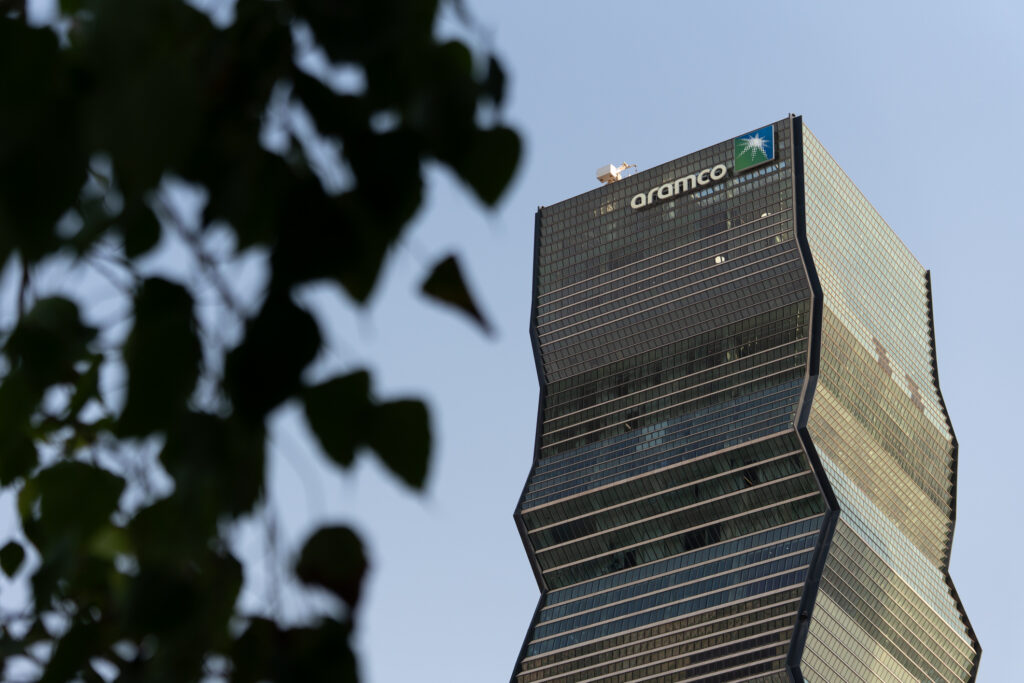
The global energy landscape is undergoing a profound transformation, and Saudi Arabia, traditionally the undisputed heavyweight of crude oil, is making a strategic pivot that demands investor attention. Aramco’s monumental $100 billion investment in the Jafurah basin shale gas project is not merely an expansion; it represents a fundamental reorientation of the Kingdom’s energy strategy, echoing the transformative impact of the U.S. shale revolution. This initiative is set to unlock vast natural gas resources, bolster the nation’s economic diversification goals under Vision 2030, and reposition Aramco as a formidable player in the international natural gas market, offering a crucial hedge against the inherent volatility of crude prices.
The Strategic Imperative: Fueling Vision 2030 and Diversification
Saudi Arabia’s ambitious Vision 2030 agenda hinges on diversifying its economy away from an over-reliance on oil exports. The Jafurah basin natural gas megaproject stands as a cornerstone of this strategy. For decades, the Kingdom has burned a significant portion of its valuable crude oil and liquid fuels for domestic power generation, a practice that now appears increasingly inefficient in a dynamic global market. Aramco’s core objective with Jafurah is to replace 500,000 barrels per day (bpd) of this domestic crude consumption with natural gas by 2030.
This strategic shift has immediate and substantial financial implications. At today’s Brent crude price of $93.81, freeing up 500,000 bpd translates to an impressive annual export revenue potential of approximately $17.12 billion. This figure underscores the immense value proposition of Jafurah, providing a critical boost to state revenues and offering a more sustainable pathway for economic growth. The pressure to meet these diversification targets is palpable, with fewer than five years remaining until the Vision 2030 deadline, making the success of projects like Jafurah paramount.
Jafurah: A New Frontier in Global Gas Supply
The sheer scale of the Jafurah project positions it as a game-changer in the global natural gas market. With estimated raw gas reserves of 229 trillion standard cubic feet and an additional 75 billion barrels of condensate, this development is potentially the largest shale gas play outside of the United States. Aramco’s commitment to this venture is evident in its decade-long incubation and the integration of advanced technologies and international expertise.
The project has drawn in leading U.S. and Chinese firms, including Halliburton and Sinopec, to deploy cutting-edge machinery such as ‘walking rigs.’ These towering structures, capable of moving short distances without dismantling, significantly enhance drilling efficiency and accelerate well completions. This high-tech approach has already yielded outstanding early well performance, validating Aramco’s strategy and reaffirming Jafurah’s significance to its broader gas growth ambitions. The official commencement of production in December 2025 marks a crucial milestone, propelling Aramco closer to its goal of becoming a major global natural gas exporter and a key supplier for energy-intensive sectors like petrochemicals and artificial intelligence within the Kingdom.
Navigating Market Volatility and Investor Queries
The investment community is keenly attuned to the inherent volatility of crude oil markets. On OilMarketCap.com, we’ve observed a surge in reader interest regarding future price movements, with common questions revolving around whether WTI is expected to rise or fall and predictions for the price of oil per barrel by the end of 2026. This investor sentiment is particularly relevant against the backdrop of recent market dynamics: Brent crude, for instance, has experienced a significant downturn, falling from $118.35 on March 31st to $94.86 just yesterday, April 20th – a nearly 20% decline in under three weeks.
Jafurah offers a strategic response to this market uncertainty. By diversifying its energy portfolio towards natural gas, Saudi Arabia aims to establish a more stable and predictable revenue stream, reducing its sole reliance on fluctuating oil prices. Natural gas, with its growing global demand driven by decarbonization efforts and industrial expansion, presents a robust alternative. This pivot provides Aramco, and by extension the Saudi economy, with a critical hedge, allowing it to capitalize on different commodity cycles and mitigate the impact of crude market swings. Furthermore, the strategic intent to fuel domestic industries like petrochemicals with Jafurah gas ensures additional value creation, insulating the Kingdom further from raw commodity price fluctuations.
Forward Outlook: Jafurah’s Impact on Upcoming Events
With Jafurah officially announcing production commencement and Aramco raising its gas production targets, the implications for upcoming energy events are significant for investors. The OPEC+ Joint Ministerial Monitoring Committee (JMMC) meeting on April 21st will primarily focus on crude supply dynamics, but Saudi Arabia’s evolving energy strategy, including its increasing gas ambitions, could subtly influence its long-term production policy decisions within the alliance. While not directly impacting oil quotas, a stronger gas position provides Saudi Arabia greater flexibility and economic resilience, which could inform its stance on future crude output adjustments.
As Aramco continues to ramp up Jafurah’s output, future EIA Weekly Petroleum Status Reports and Baker Hughes Rig Count data will be scrutinized not just for crude oil trends but also for any broader regional gas market shifts or increased drilling activity related to unconventional gas plays. The EIA’s Short-Term Energy Outlook, scheduled for release on May 2nd, will be a crucial document for investors, as its projections will increasingly need to factor in new, large-scale gas supplies emerging from key regions like the Middle East. This strategic pivot towards gas exports provides Saudi Arabia with a new lever in global energy diplomacy and market influence, a factor that seasoned analysts will undoubtedly integrate into their long-term investment models.