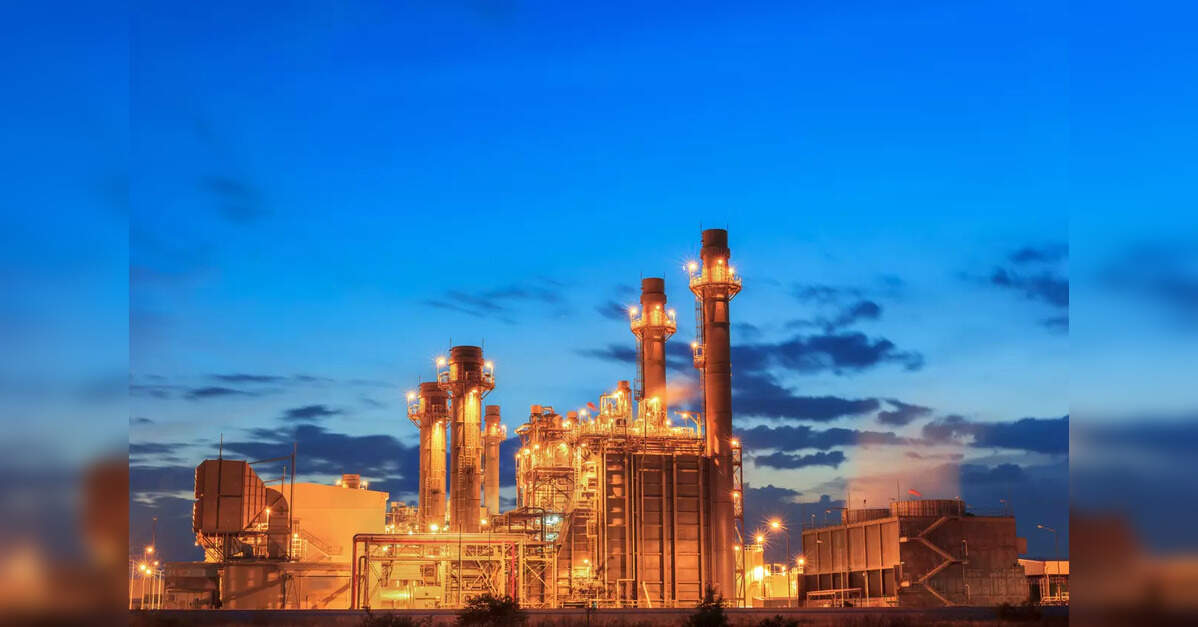
Saudi Aramco, the world’s largest oil producer and the financial bedrock of the Saudi state, is embarking on a significant strategic pivot, reportedly eyeing the divestment of key infrastructure assets. This move, which could unlock tens of billions of dollars, signals a broader effort to optimize its portfolio, enhance capital efficiency, and bolster the national coffers amidst an evolving global energy landscape and ambitious domestic economic transformation. The immediate focus appears to be on selling up to five gas-fired power plants, a transaction alone projected to generate around $4 billion. This initiative is not merely a financial maneuver; it’s a critical component of Saudi Arabia’s Vision 2030, aimed at diversifying the economy away from its traditional reliance on oil revenues and funding monumental development projects.
The Strategic Imperative Behind Aramco’s Divestitures
Aramco’s reported asset sales are deeply intertwined with the Kingdom’s fiscal realities and long-term economic aspirations. With oil receipts constituting 62% of Saudi state revenues last year, and the national budget projecting a deficit exceeding $30 billion in 2024 despite a $199 billion contribution from Aramco, the pressure to diversify income streams and secure capital is undeniable. The Saudi government, which holds an 81.5% stake in Aramco, relies heavily on the company’s payouts, including royalties and taxes. Consequently, Aramco has been directed to increase profits and dividends to the state, even as lower oil prices have impacted its income, necessitating a cut in dividend payouts by nearly a third this year.
Beyond the gas-fired power plants, which number 18 fully or partly owned by Aramco and supply energy to its own gas plants and refineries, the company is reportedly considering divesting other non-core assets. These could include housing compounds, pipelines, and port infrastructure. These strategic asset re-evaluations are designed to free up capital not only for state contributions but also for Aramco’s own investment in future growth and its role in massive domestic projects like the Expo 2030 world fair and the FIFA World Cup 2034. This proactive approach to capital management, alongside a $5 billion bond sale in May, underscores the urgency and scale of the funding requirements.
Navigating Volatile Crude Markets and Fiscal Pressures
The timing of Aramco’s asset sale discussions is particularly noteworthy, coinciding with a period of significant volatility in global crude markets. As of today, Brent crude trades at $90.38, reflecting a significant daily downturn of 9.07%, while WTI crude mirrors this sentiment at $82.59, down 9.41%. This sharp daily decline follows a broader trend; over the past 14 days, Brent crude has plummeted from $112.78 to $91.87, representing a substantial $20.91 or 18.5% drop. Such price swings directly impact the profitability of oil producers and the revenue streams of oil-dependent nations.
This market turbulence underscores the strategic rationale behind Aramco’s asset divestment strategy. By shedding non-core assets, Aramco aims to de-risk its balance sheet, enhance liquidity, and ensure a more stable funding base independent of immediate crude price fluctuations. This provides a crucial buffer against unpredictable market forces and enables the company to maintain its significant contributions to the state budget and its ambitious investment plans. The drive for efficiency and cost-cutting reported by the company further aligns with navigating these challenging market conditions, ensuring that every capital allocation is optimized for maximum return.
Forward Outlook: Upcoming Events and Investor Implications
For investors closely monitoring the energy sector, Aramco’s strategic moves are set against a backdrop of critical upcoming industry events that will shape future market dynamics. The immediate focus will be on the OPEC+ Joint Ministerial Monitoring Committee (JMMC) meeting this Saturday, April 18th, followed by the Full Ministerial Meeting on Sunday, April 19th. These meetings are pivotal; investors are keenly asking about current OPEC+ production quotas and the likelihood of further adjustments, particularly given the recent sharp decline in crude prices. Any decision by the cartel to alter output levels will have significant implications for global supply, pricing stability, and by extension, Aramco’s revenue outlook.
Beyond OPEC+, the market will digest a series of key data releases. The API Weekly Crude Inventory (April 21st, 28th) and the EIA Weekly Petroleum Status Report (April 22nd, 29th) will offer crucial insights into U.S. supply and demand fundamentals, while the Baker Hughes Rig Count (April 24th, May 1st) will signal future production trends. These data points, combined with OPEC+’s stance, will paint a clearer picture of the crude price trajectory towards the end of 2026 – a question many investors are actively seeking answers to. Aramco’s ability to execute its asset sales efficiently and attract buyers, potentially local Saudi utility firms, will be a testament to its strategic foresight and resilience in this complex environment. The success of these divestments will not only fund Saudi Arabia’s transformational projects but also reinforce Aramco’s position as a robust and adaptable energy giant in a world increasingly focused on fiscal prudence and diversified economic models.


