

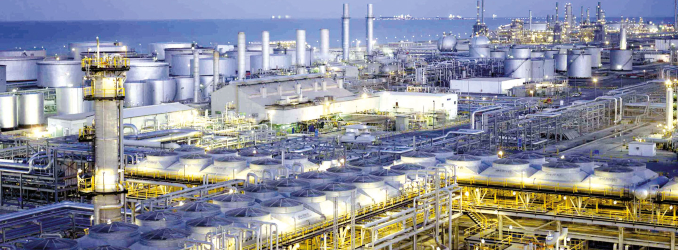
(Bloomberg) – Saudi Arabia’s biggest oil refinery restarted operations after an attack forced its closure earlier this month, according to a person familiar with the matter.
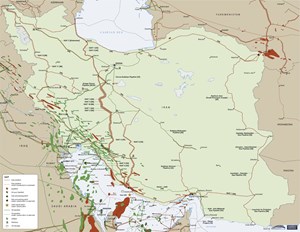
Map source: Global Energy Infrastructure
State oil giant Saudi Aramco, which operates the 550,000-bpd Ras Tanura plant, shuttered production on March 2 as a precaution after a drone strike in the area. The facility is located on Saudi Arabia’s Persian Gulf coast and is near Aramco’s main export terminal for crude and refined products.
It’s one of a number of Middle Eastern energy facilities to have shut as a result of Iranian assaults and the effective closure of the Strait of Hormuz — a key route to global energy markets. The neighboring United Arab Emirates also halted its largest refinery, while Qatar has taken fuel and gas-processing sites offline.
Gulf nations are now bracing for new attacks after Iran threatened several oil and gas facilities in its neighboring countries in retaliation for a strike of the Islamic republic’s natural gas production and processing assets, with several sites being evacuated.
Ras Tanura had been shut following a “limited” fire caused by debris from the interception of two drones that were targeting the facility, the Saudi Press Agency reported earlier this month. Aramco declined to comment on the restart on Wednesday.
The company has shifted exports of fuels such as diesel and gasoline to refineries along its western Red Sea coast, while other plants along the Persian Gulf meet domestic demand, Chief Executive Officer Amin Nasser said last week.
Ras Tanura has been a key supplier of diesel to buyers in Europe and produces smaller quantities of gasoline. The nearby export terminal includes storage tanks, berths and offshore loading points.
“We expect Saudi east coast sites to be running at lower rates and diverting supply domestically, where possible, given challenges of getting products out,” said George Dix, a downstream analyst with consultancy Energy Aspects. “For the west coast sites, they will optimize between running hard and exporting products, or freeing up more volumes to export crude, depending on which is more profitable.”
While oil shipments via the Red Sea in Saudi Arabia’s west remain open, the near-halt of tanker traffic through the Strait of Hormuz has caused oil storage tanks in the region to fill up, forcing several producers to curtail output. The waterway normally carries about a fifth of the world’s oil to global markets.
