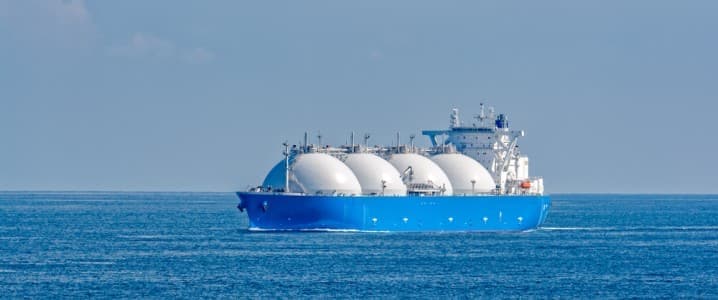
The global LNG landscape is witnessing a significant shift, underscored by the latest development signaling MidOcean Energy, backed by Saudi Aramco, as the leading contender to acquire a substantial minority stake in Petronas’s Canadian gas and LNG operations. This potential transaction, reportedly valued between $6 billion and $7 billion, represents one of the largest LNG deals this year and carries profound implications for energy investors. For OilMarketCap.com readers, this isn’t just a corporate maneuver; it’s a strategic pivot by a major state-backed entity into a critical growth corridor, offering a clear signal about long-term demand drivers and the evolving geography of global energy supply.
Aramco’s Strategic Foothold in North American LNG
MidOcean Energy, an investment platform initially launched by EIG Global Energy Partners and significantly bolstered by Saudi Aramco’s 2023 equity infusion, has rapidly established itself as a global LNG consolidator. Following earlier stake acquisitions in liquefaction projects in Australia and Peru, a move into Canada would cement its strategic objective: diversifying Aramco’s global LNG supply portfolio. The assets in question are substantial, encompassing extensive upstream operations in British Columbia and a crucial 25% interest in the LNG Canada terminal. This terminal, currently under construction on Canada’s West Coast, is slated to commence operations in 2026, positioning MidOcean, and by extension Aramco, directly within North America’s rapidly expanding LNG export capacity. This strategic diversification directly addresses the burgeoning demand for LNG, particularly from key Asian economies such as China, South Korea, and India. Investors are actively seeking clarity on the factors driving these regional dynamics, with many asking about the forces behind current Asian LNG spot prices. Aramco’s move into Canada underscores a conviction that this demand is not only robust but set for sustained long-term growth, warranting multi-billion dollar investments in new supply corridors outside the Middle East.
Valuation, Market Stability, and Investor Sentiment
The proposed $6 billion to $7 billion valuation for Petronas’s Canadian assets places this deal squarely on the radar of major energy investors. This valuation reflects the strategic importance of North American gas resources and the premium placed on access to the lucrative Asian LNG markets. From a broader market perspective, such large-scale transactions typically thrive in an environment of relative commodity price stability. As of today, Brent crude trades at $94.7 per barrel, down a modest 0.24% within a daily range of $94.7 to $94.91, while WTI crude sits at $90.97, reflecting a 0.35% decrease today between $90.85 and $91.5. While these daily fluctuations are minor, the 14-day trend for Brent, which saw prices decline from $102.22 on March 25 to $93.22 on April 14, a nearly 8.8% drop, highlights the underlying volatility in the crude market. This broader energy market context is crucial for investors assessing the long-term viability and returns of major LNG infrastructure plays. Petronas, for its part, is leveraging this opportunity to monetize non-core assets, aligning with its strategy to reallocate capital towards decarbonization initiatives and domestic priorities, while still maintaining strategic LNG positions.
Navigating Future Catalysts and Long-Term Forecasts
The timing of this potential deal, with final terms possibly announced later this summer pending regulatory and corporate approvals, places it directly in the path of several significant upcoming market catalysts that investors should monitor closely. The next two weeks are packed with events that, while not directly tied to this specific transaction, will shape the broader energy market sentiment. The OPEC+ Joint Ministerial Monitoring Committee (JMMC) meeting on April 18, followed by the full Ministerial OPEC+ meeting on April 20, will be critical in assessing the global crude supply outlook. Any decisions regarding production levels will influence crude prices, which in turn can impact the overall investment climate for large energy projects like LNG terminals, even if indirectly. Furthermore, the weekly API and EIA crude inventory reports, scheduled for April 21, 22, 28, and 29, will provide granular insights into U.S. supply-demand dynamics. For the Canadian component of this deal, the Baker Hughes Rig Count reports on April 17 and 24 offer a pulse on North American upstream activity, directly relevant to the extensive gas operations included in the Petronas package. Investors are keen to understand the long-term trajectory of energy prices, with many actively querying for a base-case Brent price forecast for the next quarter and the consensus 2026 Brent forecast. The stability provided by these upcoming OPEC+ decisions and U.S. inventory data forms the backdrop against which such multi-billion dollar, long-horizon LNG investments are made, influencing both the strategic rationale and the perceived risk of committing capital to projects that won’t fully operationalize until 2026.
Investor Takeaways: Diversification and Demand-Driven Growth
For investors, the potential MidOcean-Petronas deal underscores several key themes in the current energy market. Firstly, it highlights the increasing emphasis on geographical diversification of supply sources, particularly by major national oil companies seeking to de-risk their portfolios and capture growth in new basins. Secondly, it reaffirms the robust long-term demand outlook for natural gas, especially in its liquefied form, driven by industrialization and energy transition efforts in Asia. The 2026 operational start date for LNG Canada provides a tangible timeline for realizing returns on this substantial investment. While regulatory approvals and the sheer scale of the transaction present inherent risks, the strategic alignment with global demand trends and the backing of Saudi Aramco position this as a bellwether deal for the future of LNG investing. Investors should continue to monitor not only the specifics of this transaction but also the broader market signals from OPEC+, U.S. production trends, and Asian demand indicators to fully appreciate the evolving landscape of global gas and oil markets.


