Iran’s missile strike on Ras Laffan Industrial City on Wednesday has raised concerns in India as the country imports 40 per cent of its LNG needs from Qatar. The attack, which followed recent regional hostilities, caused significant damage to key energy infrastructure and raised concerns over global energy security and supply chains.
State-owned QatarEnergy said early Thursday that several liquefied natural gas (LNG) facilities were hit, resulting in sizeable fires and extensive damage across the complex. The strike marks a major escalation in the region’s conflict, particularly given the strategic importance of the facility in global gas exports.
India PNG connections
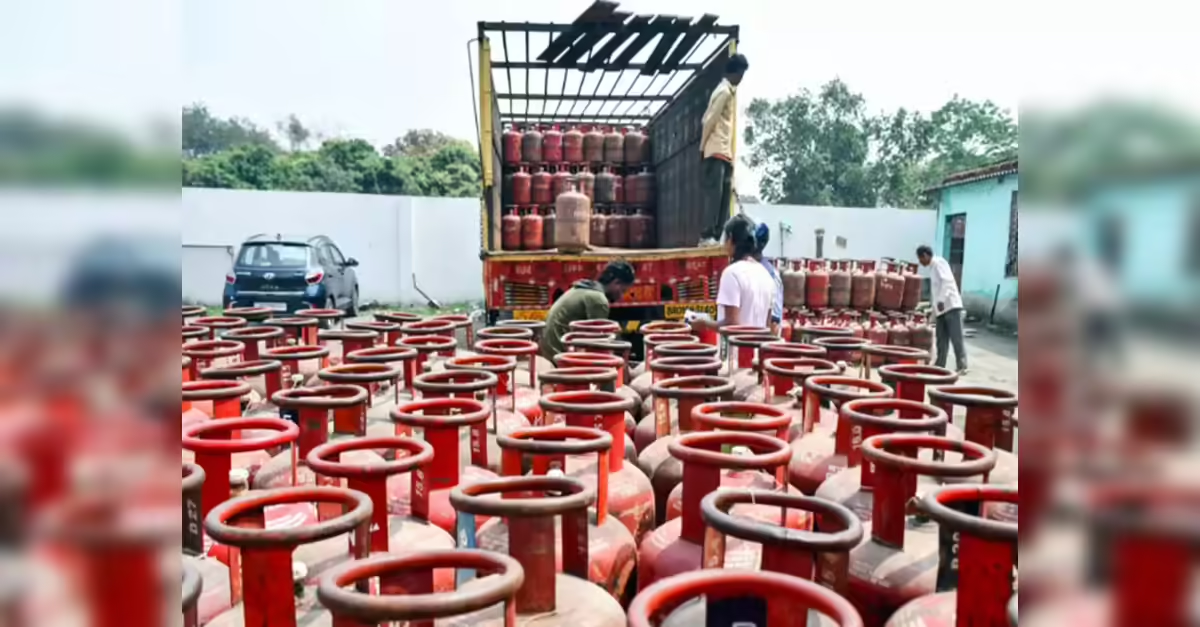
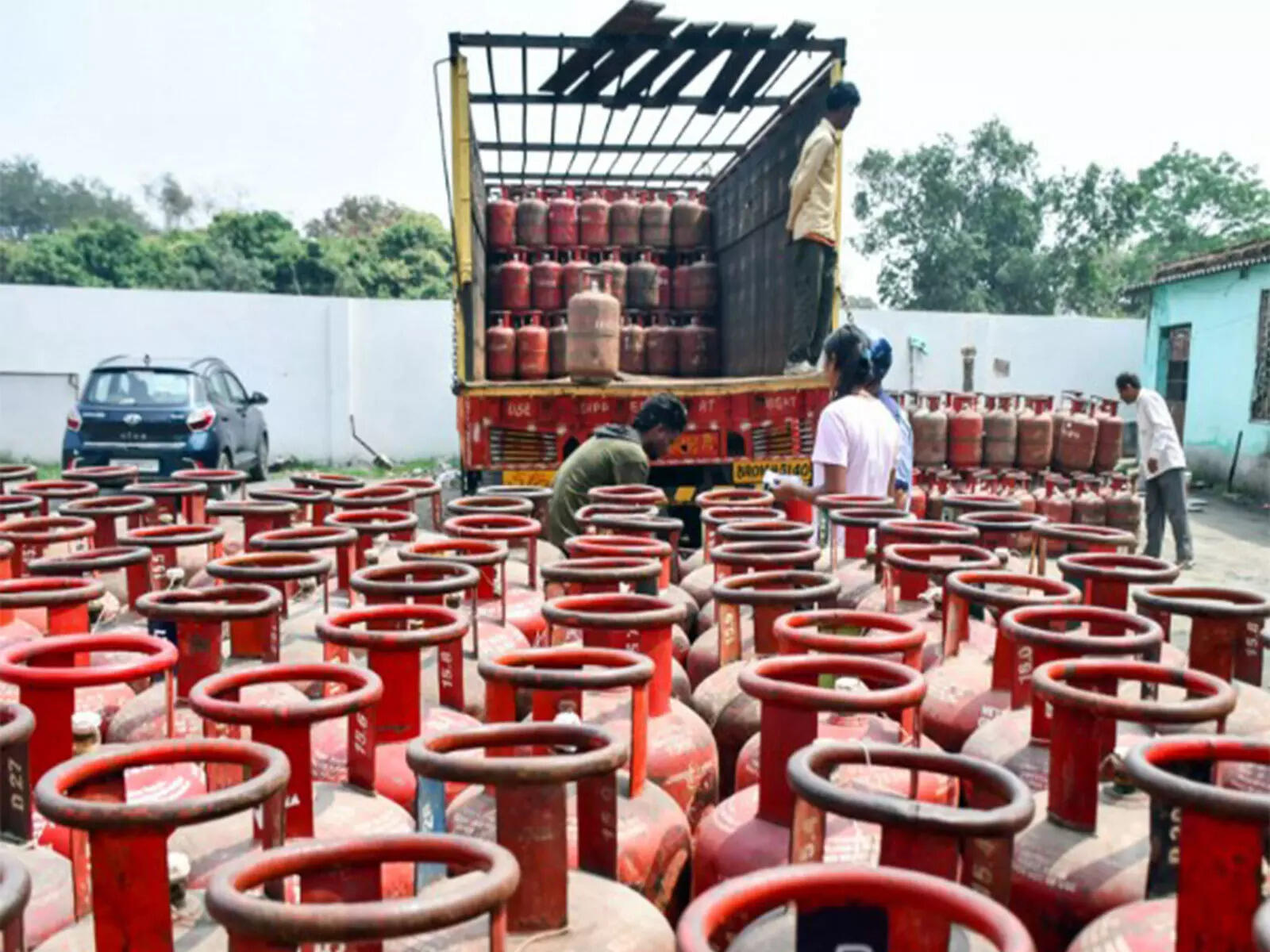
India has about 16.5 million piped natural gas (PNG) connections, of which around 10.3 million are currently active. Alongside this, millions of urban and rural beneficiaries under the Pradhan Mantri Ujjwala Yojana depend on stable energy access. Any disruption in gas exports could therefore have far-reaching economic and domestic implications.
— MarioNawfal (@MarioNawfal)
How LNG crisis may hit industry in India
According to a report by Bloomberg, the impact is already being felt in the industrial sector, where fertiliser plants in India are receiving only about 70 per cent of their required gas supplies. This shortfall has forced several facilities to either scale down operations or advance scheduled maintenance shutdowns. As India is also the world’s largest importer of urea, any prolonged disruption could increase its reliance on imports, potentially driving up global fertiliser prices and affecting agricultural costs worldwide.The developments have heightened concerns for major energy importers like India, which relies on Qatar for roughly 40 per cent of its LNG needs. India’s dependence is underscored by a long-term agreement signed in February 2024 between PetronLNG Ltd and QatarEnergy, valued at $78 billion, to import 7.5 million tonnes per annum of LNG through 2048.
The Indian Steel Association warned that shortages of propane and liquefied petroleum gas could have a “huge adverse impact” on steel-sector MSMEs and ancillary units, which employ a significant workforce. Members of the association include JSW Steel, Tata Steel, and Steel Authority of India, as per a Reuters report.
Iran and Donald Trumps reaction
Reacting to the development, former US President Donald Trump warned that any further Iranian attack on Qatar would trigger a severe military response from the US. He said he did not want to authorise such large-scale destruction due to its long-term implications but added that he “would not hesitate” if necessary.The latest strike comes shortly after Israel targeted Iran’s South Pars gas field, one of the world’s largest natural gas reserves. Trump stated he was not informed in advance of the Israeli operation and noted that Israel had assured no further attacks on the site.
Iranian President Masoud Pezeshkian condemned the attack on South Pars, warning that such actions could trigger “uncontrollable consequences” capable of engulfing the wider region and beyond.