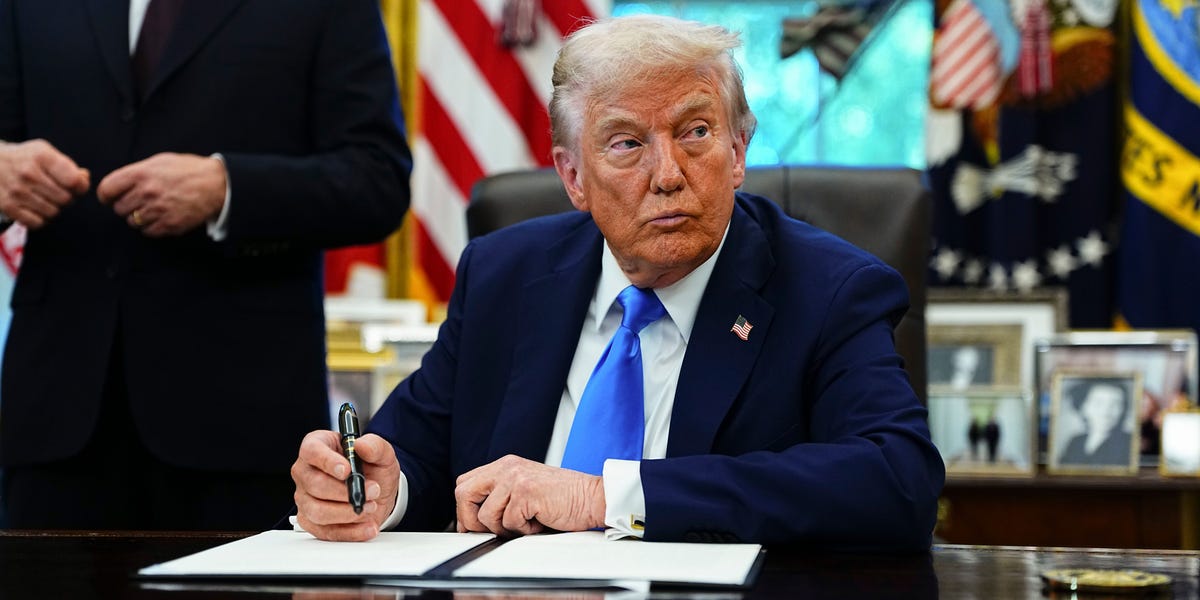
In a recent development that garnered significant attention across the corporate landscape, Alphabet, the parent company of YouTube, agreed to pay $24.5 million to settle a lawsuit brought by former President Donald Trump. This settlement, with $22 million allocated directly to Trump, stems from YouTube’s decision to suspend his account following the January 6, 2021, Capitol riot. While seemingly outside the direct purview of commodity markets, such high-profile corporate legal battles and the underlying geopolitical tensions they represent are critical barometers for overall market sentiment. For the astute oil and gas investor, understanding these broader currents is essential, as they frequently ripple into energy markets, influencing everything from investor confidence to long-term capital allocation strategies. Our proprietary market insights reveal how these seemingly disparate events weave into the complex tapestry of energy investment, impacting price trajectories and strategic decisions.
Market Volatility Amidst Broader Corporate Headwinds
The Alphabet settlement, finalizing a dispute initiated in July 2021 in Florida before moving to California, comes at a time of considerable volatility across global markets, including the energy sector. As of today, Brent Crude trades at $90.38, reflecting a significant decline of 9.07% within the day’s range of $86.08 to $98.97. Similarly, WTI Crude has seen a sharp drop to $82.59, down 9.41% from its daily high, navigating a range of $78.97 to $90.34. Gasoline prices are also feeling the pressure, currently at $2.93, a 5.18% decrease. This downward trajectory is not new; our 14-day Brent trend data shows a substantial decrease of nearly 20%, falling from $112.78 on March 30 to $90.38 by April 17. While the Alphabet settlement isn’t a direct energy catalyst, the broader narrative of escalating regulatory scrutiny and corporate liability, underscored by this $22 million payment to Trump, can contribute to a cautious investor sentiment. Such a climate often exacerbates existing market pressures, making commodity prices more susceptible to downward swings even from non-energy specific news.
Geopolitical Stability and Energy Investment Risk
The origins of the Alphabet lawsuit — the suspension of Donald Trump’s YouTube account six days after the January 6, 2021, Capitol riot and its reinstatement only in March 2023 — serve as a stark reminder of the intricate link between domestic political stability and market confidence. While the energy sector is often preoccupied with international geopolitics impacting supply lines and demand in regions like the Middle East or Eastern Europe, internal political events also play a significant role. Investor capital seeks stability, and any perceived increase in political risk, whether from domestic unrest or regulatory uncertainty, can deter long-term commitments. For oil and gas companies, this translates into higher perceived risk premiums, potentially impacting financing costs and project viability. The Alphabet settlement highlights that even major corporations are not immune to the financial repercussions of navigating complex political landscapes and the calls for accountability that follow, a lesson not lost on energy executives operating in equally sensitive environments.
Addressing Investor Concerns: Price Forecasts and OPEC+ Strategy
Our proprietary reader intent data reveals a consistent theme among investors this week: a keen focus on future oil prices and OPEC+ production quotas. Questions like “What do you predict the price of oil per barrel will be by end of 2026?” and “What are OPEC+ current production quotas?” dominate the discourse. This intense forward-looking perspective underscores the need for clarity amidst market fluctuations. The Alphabet settlement, while not directly influencing supply and demand fundamentals, adds to the backdrop of regulatory and legal risks that investors must factor into their long-term models. Increased litigation risk for major corporations, regardless of sector, can lead to a more conservative investment approach across the board. For energy investors, this means that while OPEC+’s decisions and global demand remain primary drivers, the broader operating environment, characterized by evolving regulatory frameworks and potential liabilities, increasingly shapes the risk-reward calculus for specific companies like Repsol, which some readers are asking about for April 2026 performance.
Navigating Upcoming Catalysts in a Complex Environment
With significant market movements already observed, the coming days present several critical catalysts for the oil and gas sector that demand investor attention. The most immediate and impactful event is the OPEC+ Full Ministerial Meeting scheduled for Sunday, April 19. The outcome of this meeting, particularly regarding any adjustments to current production quotas, will likely dictate short-term price action and could either exacerbate or alleviate the downward pressure seen recently. Following this, investors will closely monitor the API Weekly Crude Inventory report on Tuesday, April 21, and the EIA Weekly Petroleum Status Report on Wednesday, April 22, which provide vital insights into U.S. supply and demand dynamics. These will be succeeded by the Baker Hughes Rig Count on Friday, April 24, offering a pulse check on drilling activity. In a market already made sensitive by broader corporate developments, such as Alphabet’s $22 million settlement, these energy-specific events hold even greater weight. Investors must remain agile, assessing how OPEC+’s stance and inventory data interact with the underlying currents of global economic sentiment and regulatory pressures to position their portfolios effectively.


