

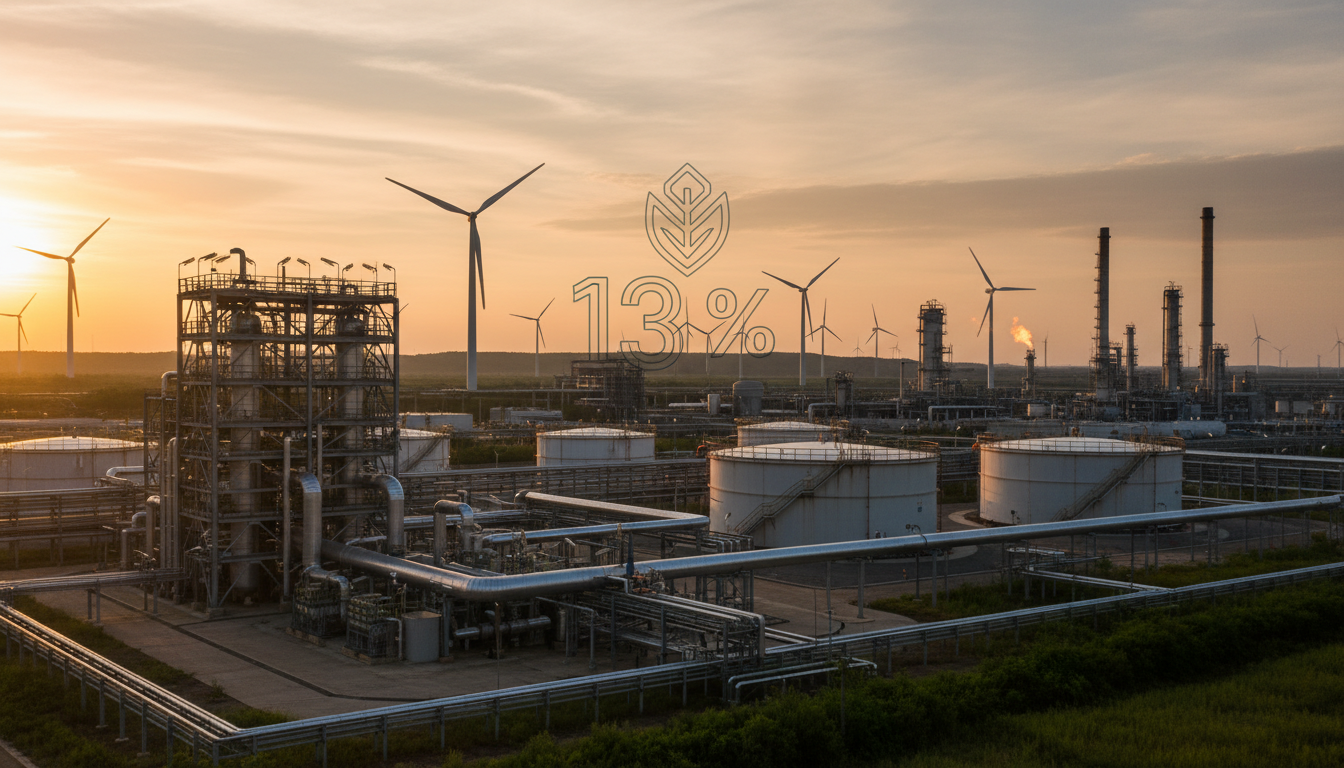
The global industrial gas giant has successfully concluded its ambitious 2022–2025 ADVANCE strategic blueprint, demonstrating a pivotal shift in how multinational corporations can fuse robust financial performance with critical sustainability milestones. Air Liquide’s comprehensive plan has not merely met but exceeded a suite of environmental, social, and governance (ESG) targets, positioning the group as a frontrunner in an investment landscape increasingly shaped by stringent global sustainability mandates.
At a juncture where institutional investors and regulatory bodies are intensifying scrutiny on the interplay between capital deployment and climate impact, these results offer a compelling case study. They underscore how a deeply integrated sustainability framework can become an intrinsic component of core business strategy, delivering both ecological benefits and long-term shareholder value.
Driving Decarbonization: A Financial Imperative
The company announced a significant 13% reduction in its direct CO2 emissions when measured against 2020 levels, reaching a crucial emissions inflection point well ahead of its original timeline. This impressive achievement is further underscored by a substantial 46% decrease in carbon intensity compared to 2015, surpassing earlier projections. For investors, these figures signal a proactive approach to mitigating carbon risk and enhancing operational resilience in an increasingly carbon-constrained global economy.
A primary catalyst for this emissions reduction has been the accelerated pivot towards low-carbon electricity sources. Through strategic, long-term power purchase agreements, the company now procures 40% of its electricity from renewable and other low-carbon options. This transition is not merely an environmental statement; it represents a savvy financial play, delivering an estimated annual avoidance of 2.7 million tonnes of CO2. Furthermore, it significantly buffers the company against the volatile fluctuations of fossil fuel prices, a growing concern for energy-intensive industrial operations and a key factor for evaluating long-term profitability.
Beyond energy sourcing, meticulous operational enhancements have also played a crucial role. The progressive electrification of production facilities, coupled with extensive asset optimization initiatives, has diminished reliance on traditional fossil fuels while simultaneously boosting overall process efficiency. These structural adjustments are instrumental in not only lowering the company’s inherent emissions profile but also in fortifying its financial stability by reducing exposure to energy market swings. Externally, the company has actively propelled advanced decarbonization technologies, including sophisticated carbon capture solutions, state-of-the-art electrolysers for green hydrogen production, and innovative ammonia cracking systems, thereby extending its decarbonization expertise and services across its vast client portfolio.
Strategic Water Management: Enhancing Resource Resilience
Beyond carbon footprint reduction, Air Liquide has also prioritized comprehensive water stewardship. The company has successfully implemented detailed water management strategies across all its priority sites situated in regions identified as water-stressed. This initiative reflects a broader, more sophisticated corporate strategy that acknowledges water availability and resource resilience as paramount considerations for sustained operational viability and long-term asset protection. For astute investors, such proactive measures signal a move towards integrated environmental risk management, safeguarding against potential disruptions and regulatory pressures associated with water scarcity, which can directly impact valuation and operational continuity.
Healthcare Expansion: A Stable Growth Vector
In a strategic diversification move, Air Liquide has significantly expanded its healthcare division, now providing essential support to 2.3 million patients globally. A growing proportion of these individuals benefit from personalized homecare plans, aligning with the industry’s broader shift towards more cost-effective, patient-centric healthcare delivery models. This segment offers a stable, demand-driven revenue stream, balancing the cyclical nature of industrial gas markets.
The company has also made substantial progress in scaling its critical oxygen access program across various African nations, directly addressing persistent infrastructural gaps in medical care. This philanthropic yet strategically important initiative aligns with global health imperatives, showcasing the vital role private sector logistics and innovation can play in enhancing access to indispensable medical resources. Such initiatives not only foster goodwill but also open up long-term market opportunities in emerging economies.
Strengthening Governance: Workforce and Social Capital
On the social front, Air Liquide has implemented a global benchmark for employee care coverage, encompassing robust health protection and parental benefits, standardizing these provisions irrespective of local regulatory requirements. This extensive rollout was completed ahead of schedule, reflecting a strong commitment to workforce well-being. Moreover, the company has made tangible progress in diversity, with women now comprising over one-third of managerial and professional roles, indicative of an inclusive corporate culture.
Furthermore, all employees now have access to structured volunteering opportunities, fostering greater engagement and a sense of purpose across the organization. For investors, these advancements in workforce standards, inclusion, and social impact are increasingly critical indicators of strong corporate governance and long-term talent retention, which directly contribute to operational stability and competitive advantage.
Leadership Vision: Sustainability as a Performance Driver
Echoing the strategic imperative, Diana Schillag, Executive Committee Member overseeing Sustainability, emphasized that sustainability remains inextricably linked to the company’s long-term performance and resilience. She clearly articulated that targeted emissions reductions and operational improvements are not tangential to growth but are, in fact, direct enablers, particularly within the unpredictable dynamics of the global economic and environmental landscape. This leadership perspective reinforces for investors that ESG initiatives are not mere compliance exercises but integral components of value creation.
Investor Outlook: Benchmarking Industrial Decarbonization
Air Liquide’s successful execution of its ADVANCE plan stands as a powerful testament to how major industrial players can seamlessly integrate ambitious decarbonization targets into core operations without compromising profitability or growth trajectories. This holistic approach, which interweaves strategic energy sourcing, intelligent asset design, and product innovation into a unified strategy, delivers measurable environmental benefits alongside tangible financial outcomes.
For executive leadership across the oil and gas sector and heavy industries, the key takeaway is the absolute necessity of robust execution. Sustainability strategies that profoundly influence fundamental aspects such as energy procurement, asset management, and product development are demonstrably more effective in generating significant, quantifiable impact. These are the strategies that differentiate market leaders from followers.
For investors navigating the energy transition, these results solidify a burgeoning trend: companies that embed sustainability into their foundational decision-making processes are demonstrably better positioned to effectively manage mounting regulatory pressures, navigate the inherent risks of the energy transition, and optimize long-term capital allocation strategies. As global climate frameworks continue to evolve and tighten, the capacity to translate ambitious environmental goals into concrete operational achievements will increasingly define competitive advantage, investment attractiveness, and ultimately, sustainable shareholder returns in the decades ahead.
