The relentless march of artificial intelligence is fundamentally reshaping industries, and its insatiable appetite for power is emerging as a critical, underappreciated catalyst for the global energy markets. While the immediate focus often remains on the computational prowess of AI, the underlying energy infrastructure required to fuel this revolution is staggering. Hyperscale data centers, the veritable brains of the AI era, demand unprecedented quantities of electricity and water, placing immense strain on existing grids and challenging the conventional wisdom surrounding future energy transitions. For investors in oil and gas, this represents a significant, long-term bullish tailwind, creating a robust demand floor that warrants close attention amidst short-term market fluctuations.
The Unseen Energy Burden of the AI Revolution
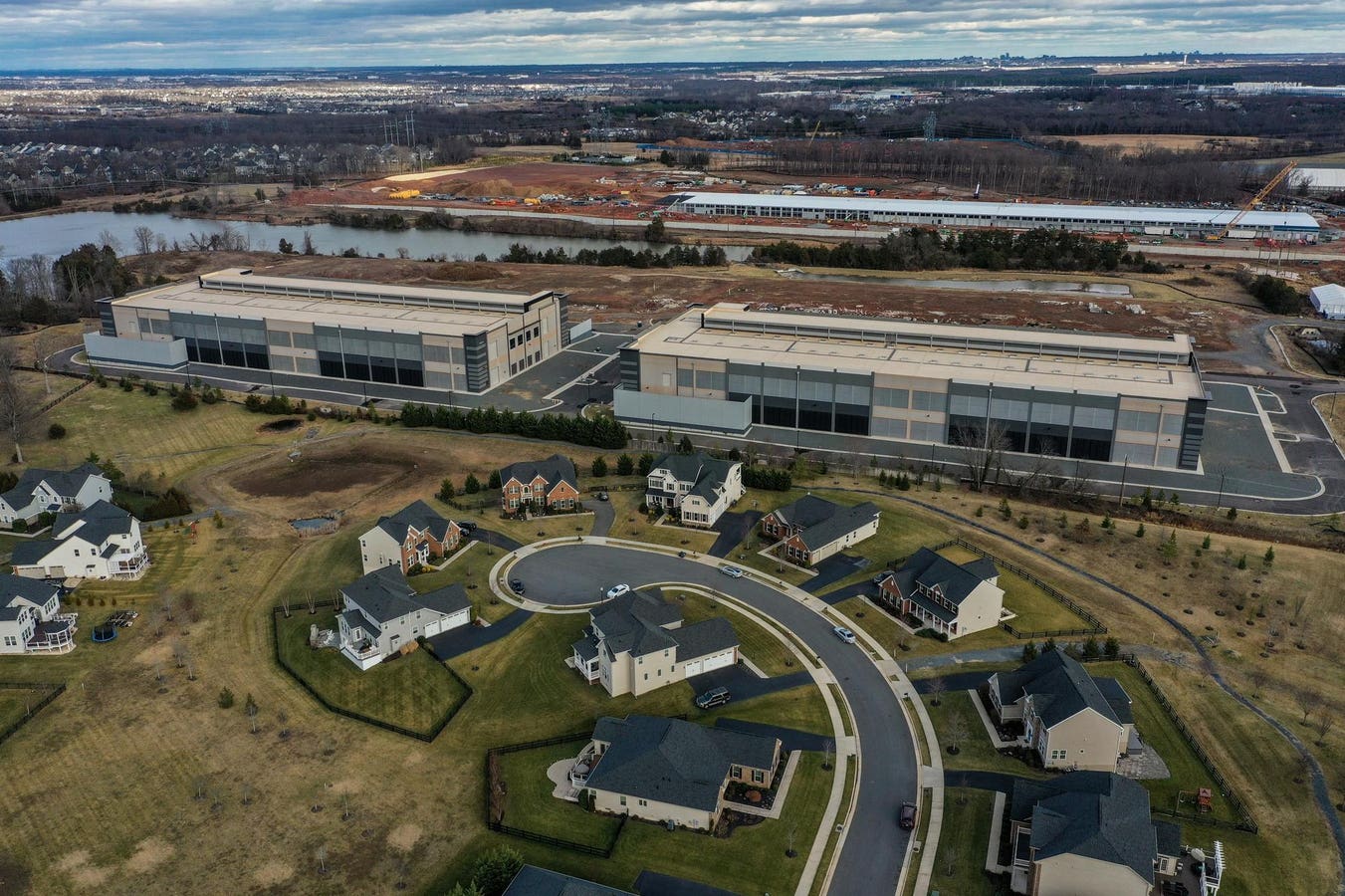
In the last two years alone, the United States has witnessed the construction of hundreds of hyperscale data centers, each requiring colossal amounts of electricity to operate and water for cooling. This rapid expansion is not merely incremental; it’s a paradigm shift in energy consumption patterns. Consider the Amazon-owned complex in New Carlisle, Indiana, operated by Anthropic. This facility already demands at least 500 megawatts of electricity, a figure sufficient to power hundreds of thousands of individual homes. Projections indicate that upon full completion, this single complex will consume as much power as two cities the size of Atlanta. This illustrates the scale of the challenge: AI’s power thirst isn’t just adding to demand; it’s creating entirely new demand centers that are fundamentally altering the energy landscape. Utilities, unprepared for such an exponential surge, are struggling to keep pace, leading to widespread infrastructure strain.
Grid Strain and Public Pushback: A Hydrocarbon Imperative
The energy demands of AI are not without consequence for everyday consumers. Household electricity rates across the U.S. have spiked nearly 10% this year, largely attributed to the immense power draw of these data centers. This has not gone unnoticed by the public. Communities, initially welcoming these facilities as symbols of progress, are increasingly realizing the substantial burden they place on local infrastructure and the minimal direct economic benefits they offer in terms of job creation. Public sentiment is shifting, with local pressure mounting in states like Arizona, Virginia, and Ohio to slow or halt new data center construction. Polling data reinforces this concern; a survey of New Jersey voters shows a majority advocating for data centers to bear higher energy rates, while a Wisconsin poll indicates most voters believe the facilities do not provide sufficient benefits to offset their costs. This public backlash, coupled with recent policy shifts, such as the bewildering reversal of federal incentives for large-scale renewable power projects (solar and wind with battery storage), creates a significant supply gap. While some renewable projects in the pipeline will proceed, the long-term outlook for cheap, rapidly deployable new electricity sources from renewables is tapering off later in the decade. Promising alternatives like geothermal power, despite continued federal support, remain largely in early planning stages, and next-generation nuclear or fusion power are still years away from widespread commercial viability. This confluence of factors makes the reliance on proven, dispatchable energy sources like natural gas and, indirectly, oil, an imperative for maintaining grid stability and meeting the immediate, surging demand.
Market Volatility vs. Long-Term Demand: An Investor’s Perspective
Despite the long-term bullish thesis driven by AI, the oil market currently presents a picture of notable short-term volatility. As of today, Brent crude trades at $90.38 per barrel, marking a significant daily drop of 9.07%, with prices fluctuating widely within a range of $86.08 to $98.97. Similarly, WTI crude is priced at $82.59, down 9.41% for the day. This recent softness follows a pronounced downward trend, with Brent having fallen by nearly 20% over the past two weeks, from $112.78 on March 30th to its current level. Gasoline prices also reflect this bearish sentiment, trading at $2.93, a 5.18% decline. This immediate market sentiment, however, should be viewed in contrast to the structural demand shifts underway. Many of our readers are actively seeking insights into the future, with a significant number asking about the predicted price of oil per barrel by the end of 2026. While short-term macroeconomic headwinds and geopolitical developments can always introduce volatility, the burgeoning energy demand from the AI sector provides a compelling underlying support. As data centers continue to proliferate and the grid struggles to integrate sufficient renewable capacity, the reliance on natural gas for power generation, and consequently crude oil for associated infrastructure and transport fuels, will only intensify. This fundamental demand driver suggests that while current prices reflect immediate pressures, the longer-term outlook for oil and gas remains robust.
OPEC+ Strategy and Future Supply Dynamics
The unfolding AI energy narrative will undoubtedly influence global supply dynamics, particularly the strategic decisions made by key producers. Investors are keenly focused on understanding OPEC+’s current production quotas and their future trajectory, a question frequently posed by our readership. The upcoming OPEC+ Joint Ministerial Monitoring Committee (JMMC) Meeting on April 19th, followed by the full Ministerial Meeting on April 20th, will be critical events for short-term market direction. Given the recent price weakness, there might be pressure for the alliance to consider maintaining or even deepening production cuts in the immediate future to stabilize prices. However, the emerging, substantial demand from AI data centers introduces a new dimension to their long-term planning. While current decisions will likely reflect present market conditions and geopolitical factors, OPEC+ strategists cannot ignore the rapidly expanding energy footprint of AI. As the world grapples with the immense power needs of this technological revolution, and as the challenges of rapidly scaling renewable energy sources become more apparent, the role of reliable, dispatchable hydrocarbon energy will only grow. This could eventually lead to a recalibration of OPEC+’s long-term supply strategy, potentially shifting towards a more balanced approach that acknowledges increasing global energy demand. Beyond OPEC+, monitoring indicators like the API Weekly Crude Inventory (due April 21st and 28th), the EIA Weekly Petroleum Status Report (April 22nd and 29th), and the Baker Hughes Rig Count (April 24th and May 1st) will provide crucial insights into how supply is responding to both short-term market signals and the longer-term structural demand being created by AI’s relentless energy thirst.