The energy landscape is undergoing a profound transformation, and nowhere is this more evident than in the strategic maneuvers of established players. AGL Energy, traditionally a behemoth in Australia’s coal-fired power generation, is making significant strides into large-scale battery storage, signaling a clear pivot towards the future grid. Their latest initiative, the proposed Tuckaroo battery project in Queensland, represents a substantial 500 MW, 2,000 MWh capacity, mirroring a similar undertaking near the Tomago smelter in New South Wales. These gigabattery commitments are not merely incremental adjustments; they are foundational shifts from a major incumbent, offering critical insights for investors navigating the evolving energy sector.
AGL’s Strategic Pivot: Doubling Down on Gigabatteries
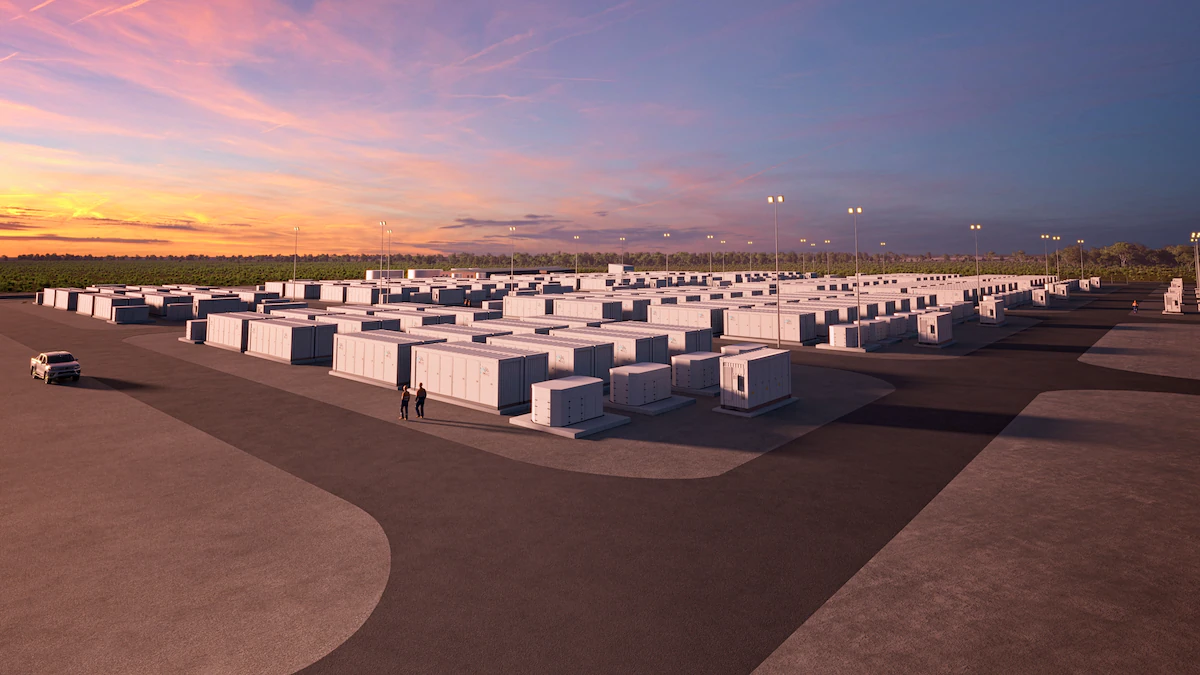
AGL Energy’s commitment to utility-scale battery storage is rapidly solidifying, with the Tuckaroo project in Queensland’s Western Downs region now progressing through federal approvals for its connection. This 500 MW, 2,000 MWh battery energy storage system (BESS) is designed to integrate into the existing grid via a new 1.8-kilometer, 275 kilovolt (kV) underground transmission line linking to Powerlink’s Western Downs Substation. This follows closely on the heels of AGL’s similar 500 MW, 2,000 MWh project near the Tomago smelter in NSW, underscoring a deliberate strategy to build out substantial storage capabilities. Securing initial development approval from the Western Downs Regional Council and commencing early investigations, including geotechnical testing and engagement with traditional landowners, indicates a project advancing systematically. For investors, AGL’s proactive move from its historical reliance on coal generation into such significant renewable infrastructure projects highlights the imperative for energy companies to diversify and adapt. These projects promise not only enhanced grid stability and renewable energy integration but also local economic benefits, with the Tuckaroo construction phase alone projected to create up to 200 jobs, alongside 6 full-time operational roles.
Crude Market Volatility: A Backdrop to Energy Transition Investment
While AGL’s focus sharpens on battery storage, the broader energy market, particularly crude oil, continues to exhibit considerable volatility, shaping the investment environment. As of today, Brent crude trades at $90.38 per barrel, representing a notable 9.07% decline within the day, with its range fluctuating between $86.08 and $98.97. Similarly, WTI crude is priced at $82.59, down 9.41% today. This daily contraction follows a more significant trend; Brent crude has shed nearly 19.9% over the past fortnight, dropping from $112.78 on March 30th to its current levels. This pronounced downward pressure on crude prices, even if temporary, underscores the dynamic and often unpredictable nature of fossil fuel markets. For investors, this volatility presents a stark contrast to the more predictable, long-term infrastructure plays offered by projects like AGL’s battery storage. It reinforces the strategic logic behind diversifying energy portfolios and investing in assets that address grid stability and renewable energy integration, irrespective of short-term crude price fluctuations. The ongoing shifts in global energy demand and supply, coupled with geopolitical factors, ensure that the traditional oil and gas sector remains a high-beta play, while the energy transition offers different risk/reward profiles.
Investor Focus: OPEC+ Decisions and Future Oil Price Outlook
Our proprietary reader intent data reveals a keen focus among investors on the immediate future of crude oil, with frequent inquiries about OPEC+ production quotas and predictions for the price of oil per barrel by the end of 2026. This sentiment is particularly relevant given the critical upcoming calendar events. The OPEC+ Joint Ministerial Monitoring Committee (JMMC) Meeting is scheduled for Sunday, April 19th, immediately followed by the full OPEC+ Ministerial Meeting on Monday, April 20th. These gatherings are pivotal; any decisions regarding production levels will directly influence crude supply and, consequently, global prices. Investors are keenly watching for signals on whether current output cuts will be maintained, deepened, or eased, all of which will impact the market trajectory through Q2 and beyond. Beyond these immediate events, weekly data releases such as the API and EIA Weekly Petroleum Status Reports (due April 21st/22nd and April 28th/29th) and the Baker Hughes Rig Count (April 24th and May 1st) provide ongoing granular insights into inventory levels, demand trends, and drilling activity. These data points collectively inform investor sentiment and shape the forward curve for crude, even as the global energy mix continues its gradual but undeniable shift towards renewables, as evidenced by AGL’s significant battery investments.
Investment Implications: Balancing Tradition with Transformation
The simultaneous market signals of crude price volatility and major energy company pivots, like AGL’s gigabattery projects, present a complex but fertile ground for oil and gas investors. AGL’s move into 2GWh battery systems is not just an Australian story; it reflects a global trend where even the largest carbon emitters are recognizing the economic and environmental imperative of large-scale energy storage. For investors, this means looking beyond the traditional upstream and downstream segments. Opportunities are emerging in grid infrastructure, such as Powerlink’s role in connecting these projects, and in the entire battery supply chain, from raw materials to manufacturing and deployment. While the questions our readers pose about OPEC+ quotas and 2026 oil price forecasts highlight the enduring relevance of hydrocarbon markets, AGL’s strategic shift underscores the long-term investment horizon for renewable energy infrastructure. A robust investment strategy today necessitates a balanced portfolio that acknowledges the persistent, albeit volatile, demand for traditional energy sources, while aggressively positioning for growth in the accelerating energy transition. Companies that successfully navigate this dual challenge, diversifying their asset base and embracing next-generation energy solutions, are likely to deliver superior long-term value in this evolving energy epoch.