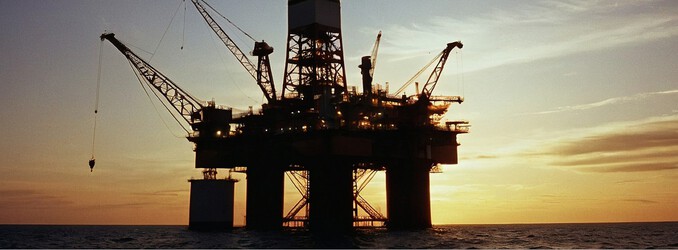
The global energy landscape is undergoing a profound transformation, yet the narrative surrounding Africa’s role in this shift remains contentious. While developed nations increasingly advocate for a rapid pivot away from fossil fuels, African leaders are steadfast in their commitment to leveraging their vast hydrocarbon reserves for economic development and energy security. This divergence creates a unique investment thesis, as the continent positions itself as a crucial future supplier in a world still heavily reliant on oil and gas, even as market dynamics present immediate challenges and opportunities.
Africa’s Unyielding Stance on Hydrocarbon Development
The debate over Africa’s energy future frequently pits Western environmental mandates against the continent’s fundamental development needs. For years, affluent nations and environmental groups have pressured African countries to abandon gas exploration, framing it as an imperative to combat climate change. However, the African Energy Chamber (AEC) and numerous national leaders have consistently articulated a different vision: while acknowledging the importance of emissions reduction, they firmly assert Africa’s sovereign right to determine its own energy transition timeline. This perspective is not merely a political stance; it is rooted in economic necessity and a stark reality regarding global emissions. In 2023, the entire continent of Africa contributed a mere 1.45 billion tonnes to global CO2 emissions, representing just 4% of the world’s 37.12 billion tonnes. This minuscule contribution, the lowest per-capita emissions globally, stands in sharp contrast to the historical and ongoing emissions from industrialized economies. As Andrew Kamau aptly noted, for Africa, the energy narrative is fundamentally a “development story,” prioritizing the resolution of energy poverty and industrialization over externally imposed timelines. Investors should recognize this deep-seated commitment, understanding that African nations intend to strategically manage and produce their hydrocarbon resources to unlock economic growth, a message they are prepared to champion at forums like COP30.
Navigating Volatility: Current Market Dynamics and African Opportunities
The present crude oil market presents a complex picture for investors, marked by notable volatility. As of today, Brent crude trades at $90.38, reflecting a significant 9.07% drop within the day’s range of $86.08 to $98.97. Similarly, WTI crude has seen a sharp decline, now at $82.59, down 9.41% from a daily high of $90.34. This downturn extends a broader trend, with Brent having fallen by nearly 20% over the past two weeks, from $112.78 on March 30th to its current level. This pronounced price correction, alongside a 5.18% drop in gasoline prices to $2.93, signals a period of reassessment for energy markets. For investors eyeing Africa’s oil and gas sector, these market movements are critical. While a sharp price decline might temper immediate enthusiasm for some, Africa’s long-term commitment to production, driven by national development agendas, offers a degree of stability in a volatile global market. Companies with robust projects and strong government backing in African nations may find attractive entry points or opportunities to consolidate positions, leveraging the continent’s strategic imperative to monetize its resources despite short-term price fluctuations.
Forward Outlook: Upcoming Events Shaping African O&G Investment
Looking ahead, the next few weeks are packed with crucial events that will undoubtedly influence the global oil and gas market, and by extension, the investment landscape for African energy. Key among these are the OPEC+ Joint Ministerial Monitoring Committee (JMMC) meeting on April 19th and the subsequent OPEC+ Ministerial Meeting on April 20th. Decisions from these gatherings regarding production quotas will have an immediate impact on global supply and pricing, directly affecting the economics of new and existing projects across Africa. A tightening of supply could bolster prices, making African exploration and production more attractive, while an increase in output might exert downward pressure. Beyond OPEC+, the market will closely watch the API Weekly Crude Inventory reports (April 21st, April 28th) and the EIA Weekly Petroleum Status Reports (April 22nd, April 29th) for critical insights into U.S. supply and demand dynamics. Additionally, the Baker Hughes Rig Count (April 24th, May 1st) will provide an indication of drilling activity. For African producers, these global indicators, combined with their strong domestic policy drivers, will guide strategic planning and capital allocation. The continent’s resolve to continue developing its resources suggests that even amidst global policy shifts, long-term project viability in Africa could remain robust, presenting distinct opportunities for patient investors.
Addressing Investor Inquiries: The Path Ahead for Oil and Gas
Our proprietary reader intent data reveals a clear appetite among investors for clarity on market direction and future price trajectories. Questions like “is WTI going up or down” and “what do you predict the price of oil per barrel will be by end of 2026” underscore the prevailing uncertainty and the urgent need for informed analysis. While precise predictions are inherently challenging, several factors will shape the crude market’s trajectory. The ongoing geopolitical tensions, the pace of global economic recovery, and critically, the production policies set by OPEC+ in their upcoming meetings, will all play significant roles. For WTI, the current sharp decline could be a short-term correction, but sustained upward momentum will depend on demand resilience and supply discipline. Looking towards the end of 2026, the global demand picture, particularly from emerging markets, remains a strong tailwind. Africa’s unwavering commitment to developing its hydrocarbon resources means it will be an increasingly important component of the global supply matrix. This long-term supply perspective, coupled with potential demand growth, suggests a complex but potentially supportive environment for oil prices, even as short-term volatility persists. Investors are also keen on specific company performance, such as Repsol, indicating a desire to identify companies well-positioned to capitalize on these dynamics, including those with substantial African portfolios.


