Africa’s oil and gas sector is undergoing a profound transformation, driven by proactive regulatory reforms designed to unlock significant capital inflows and accelerate project development. As global energy markets continue to grapple with volatility and evolving supply-demand dynamics, a clear and stable investment environment is becoming an increasingly critical differentiator for regions seeking to attract the next wave of upstream spending. The continent’s major and emerging producers are demonstrating a commitment to fiscal clarity and streamlined licensing, positioning Africa as a compelling frontier for energy investors. This strategic pivot promises not only to boost production and gas commercialization but also to enhance regional energy security, offering a robust counter-narrative to the short-term market uncertainties that often deter long-cycle investments.
Angola and Nigeria: Spearheading a New Era of Upstream Investment
Leading the charge in regulatory overhaul are established producers like Angola and Nigeria, whose reforms are already yielding tangible results. Angola, for instance, has successfully leveraged multi-year bid rounds and the strategic establishment of the National Oil, Gas & Biofuels Agency (ANPG) to streamline its investment framework. The implementation of incentives, such as the incremental production decree, has been instrumental in fostering exploration success, evidenced by significant finds like ExxonMobil’s Likember-01 and Azule Energy’s Block 1/14 gas discovery. These measures have not only sustained national output above 1 million barrels per day but also greenlit major projects such as Kaminho and Agogo, contributing to an impressive planned investment pipeline estimated at roughly $70 billion. This aggressive approach underscores a strategic vision to de-risk investment and provide long-term clarity for operators.
Nigeria, Africa’s largest economy, is similarly charting a new course with its landmark Petroleum Industry Act (PIA). This comprehensive legislation is systematically guiding the restructuring of its vast energy sector, with an ambitious target of reaching 2.5 million barrels per day in production. The strategic licensing rounds conducted in 2024–2025 have already garnered substantial international interest, with the latest offering encompassing 50 blocks and aiming to secure up to $10 billion in fresh capital. Such proactive policy frameworks in these key nations are proving crucial in attracting the necessary funding and expertise to unlock their considerable hydrocarbon potential, setting a high standard for stability and growth across the continent.
Congo, Namibia, and Uganda: Emerging Hubs and a Blueprint for Success
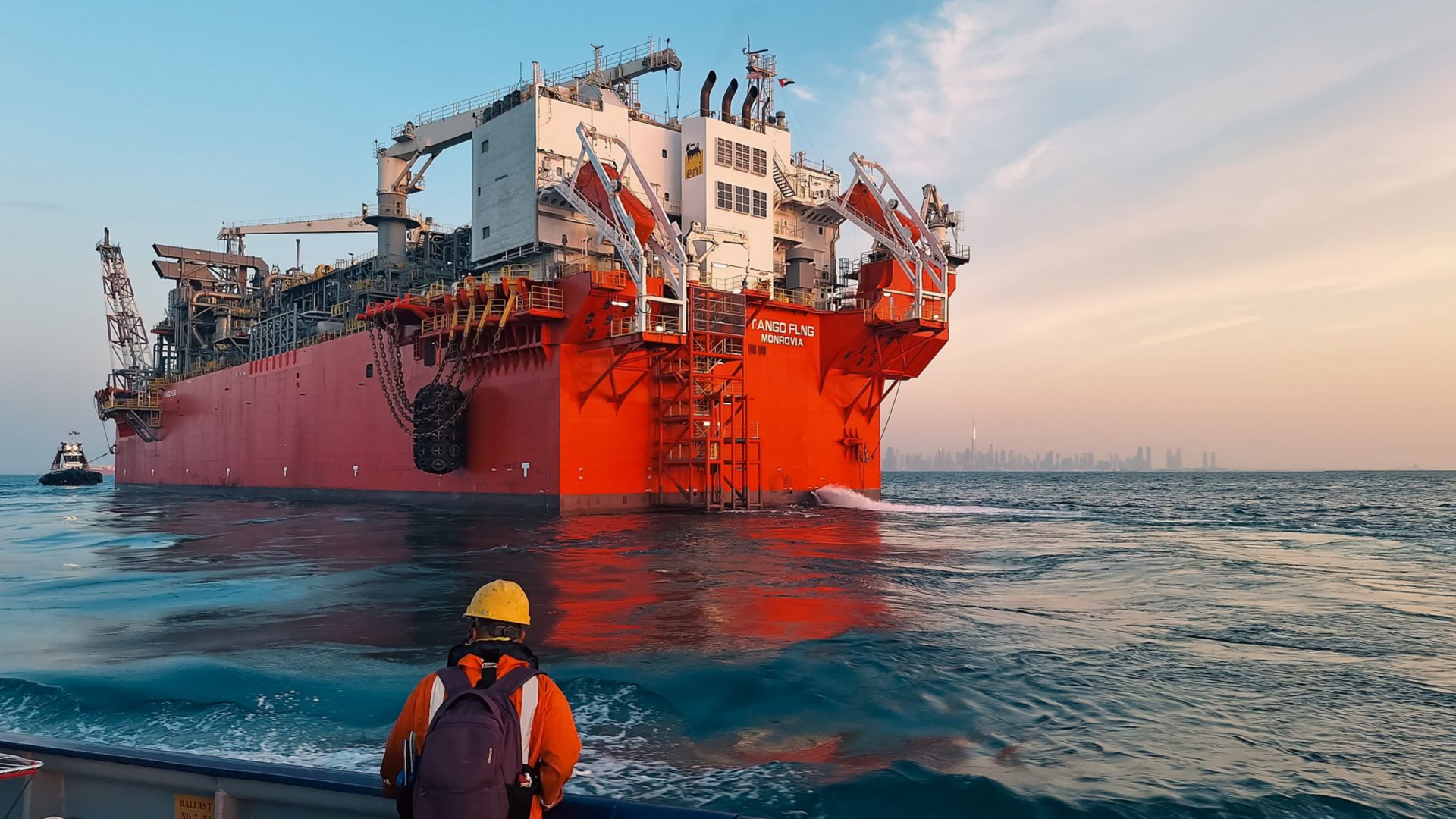
Beyond the continent’s traditional heavyweights, emerging producers are rapidly adopting similar blueprints for growth, recognizing the critical link between stable fiscal regimes and sustained capital inflow. The Republic of Congo exemplifies this trend, actively working towards a production target of 500,000 barrels per day and expanding its liquefied natural gas (LNG) capacity to 3 million tonnes per annum. This ambitious strategy is underpinned by a comprehensive Gas Master Plan, a new licensing framework, and a dedicated gas code, designed to optimize its hydrocarbon value chain. Current activities, including TotalEnergies’ significant Moho Nord investment and the second phase of Congo LNG which commenced in November 2025, highlight the tangible impact of these reforms on project acceleration.
For nascent energy economies like Namibia and Uganda, the experiences of their more established peers offer invaluable lessons. Both nations are diligently establishing stable fiscal environments early in their development cycles, maintaining predictable terms through critical development phases, and strategically aligning upstream and midstream planning to maximize long-term national value. Namibia’s recent Venus and Mopane discoveries are targeting first oil before the decade’s end, signaling robust investor confidence. Meanwhile, Uganda is on track for a 2026 startup at its Tilenga and Kingfisher projects, supported by the crucial 1,443-kilometer East African Crude Oil Pipeline. These examples collectively demonstrate that policy clarity and licensing stability are not just theoretical ideals, but practical accelerators for drilling activity, gas commercialization, and ultimately, enhanced regional energy security.
Navigating Market Volatility: Why African Reforms Offer a Unique Hedge
In an era defined by fluctuating energy prices, the strategic importance of Africa’s regulatory reforms becomes even more pronounced for astute investors. As of today, Brent Crude trades at $90.4 per barrel, reflecting a marginal daily dip, yet it remains significantly below its recent highs. This current snapshot follows a substantial decline, with Brent having fallen from $118.35 on March 31st to $94.86 just yesterday, representing a nearly 20% drop in less than three weeks. This dramatic 14-day trend underscores the inherent volatility in global crude markets.
Investors are keenly observing these trends, with many asking critical questions about future price direction—”is WTI going up or down?” is a frequent query, alongside predictions for “the price of oil per barrel by end of 2026.” While precise price forecasting remains challenging, African nations are strategically mitigating project-specific risks through regulatory stability. A predictable operating environment and clear fiscal terms offer a crucial buffer against external price shocks, making long-term investments in the continent’s upstream sector more attractive. For investors seeking to de-risk their portfolios in a volatile market, the robust frameworks being implemented across Africa provide a compelling value proposition, ensuring that projects can proceed with greater certainty regardless of short-term market swings.
Forward Momentum: Upcoming Events and the Investment Outlook
The global energy calendar over the next two weeks presents several pivotal events that will undoubtedly influence market sentiment and, by extension, the economic calculus for African upstream projects. On April 21st, the OPEC+ Joint Ministerial Monitoring Committee (JMMC) meeting will offer crucial insights into the cartel’s production policy, potentially impacting supply expectations and price stability. Subsequent EIA Weekly Petroleum Status Reports on April 22nd and April 29th, alongside API Weekly Crude Inventory data on April 28th and May 5th, will provide critical updates on U.S. inventory levels, a key driver of short-term market movements. Furthermore, the Baker Hughes Rig Count on April 24th and May 1st will indicate drilling activity trends. The most significant forward-looking signal, however, will come from the EIA Short-Term Energy Outlook on May 2nd, which will offer updated projections for global supply, demand, and prices.
While these events shape the broader market, Africa’s proactive regulatory framework acts as a stabilizer. A favorable outcome from the OPEC+ meeting or a bullish EIA outlook could certainly enhance investor confidence further. However, the core appeal of African projects now rests on their intrinsic stability, built on transparent licensing, attractive fiscal terms, and a clear path to production. This foundational strength helps to insulate the region from the more erratic swings of global market sentiment, ensuring that capital continues to flow towards well-structured, long-term opportunities. The convergence of vast untapped resources and a renewed commitment to investor-friendly policies positions Africa as a pivotal growth engine for the global energy supply in the coming years.


