
Close Menu
  • Home
  • Market News
    • Crude Oil Prices
    • Brent vs WTI
    • Futures & Trading
    • OPEC Announcements
  • Company & Corporate
    • Mergers & Acquisitions
    • Earnings Reports
    • Executive Moves
    • ESG & Sustainability
  • Geopolitical & Global
    • Middle East
    • North America
    • Europe & Russia
    • Asia & China
    • Latin America
  • Supply & Disruption
    • Pipeline Disruptions
    • Refinery Outages
    • Weather Events (hurricanes, floods)
    • Labor Strikes & Protest Movements
  • Policy & Regulation
    • U.S. Energy Policy
    • EU Carbon Targets
    • Emissions Regulations
    • International Trade & Sanctions
  • Tech
    • Energy Transition
    • Hydrogen & LNG
    • Carbon Capture
    • Battery / Storage Tech
  • ESG
    • Climate Commitments
    • Greenwashing News
    • Net-Zero Tracking
    • Institutional Divestments
  • Financial
    • Interest Rates Impact on Oil
    • Inflation + Demand
    • Oil & Stock Correlation
    • Investor Sentiment

Subscribe to Updates

Subscribe to our newsletter and never miss our latest news

Subscribe my Newsletter for New Posts & tips Let's stay updated!

What's Hot

India Secures More LPG via Hormuz

March 29, 2026

Wearables 2026: Tracking New Tech Investment Flows

March 29, 2026

India Guarantees Petroleum Supply Stability

March 29, 2026
Facebook X (Twitter) Instagram Threads
Oil Market Cap – Global Oil & Energy News, Data & Analysis
  • Home
  • Market News
    • Crude Oil Prices
    • Brent vs WTI
    • Futures & Trading
    • OPEC Announcements
  • Company & Corporate
    • Mergers & Acquisitions
    • Earnings Reports
    • Executive Moves
    • ESG & Sustainability
  • Geopolitical & Global
    • Middle East
    • North America
    • Europe & Russia
    • Asia & China
    • Latin America
  • Supply & Disruption
    • Pipeline Disruptions
    • Refinery Outages
    • Weather Events (hurricanes, floods)
    • Labor Strikes & Protest Movements
  • Policy & Regulation
    • U.S. Energy Policy
    • EU Carbon Targets
    • Emissions Regulations
    • International Trade & Sanctions
  • Tech
    • Energy Transition
    • Hydrogen & LNG
    • Carbon Capture
    • Battery / Storage Tech
  • ESG
    • Climate Commitments
    • Greenwashing News
    • Net-Zero Tracking
    • Institutional Divestments
  • Financial
    • Interest Rates Impact on Oil
    • Inflation + Demand
    • Oil & Stock Correlation
    • Investor Sentiment
Oil Market Cap – Global Oil & Energy News, Data & Analysis
Home » Afghan Floods Raise Regional Energy Project Concerns
Weather Events (hurricanes, floods)

Afghan Floods Raise Regional Energy Project Concerns

omc_adminBy omc_adminMarch 29, 2026No Comments4 Mins Read
Afghan Floods Raise Regional Energy Project Concerns
Share
Facebook Twitter Pinterest Threads Bluesky Copy Link

Afghanistan’s Climate Crisis: A Stark Reminder of Global Energy Sector Vulnerabilities

KABUL, Afghanistan – Recent days have underscored the profound challenges faced by vulnerable nations, as severe flooding, landslides, and intense thunderstorms have swept across Afghanistan. In just the past 24 hours, these extreme weather phenomena have tragically claimed 17 lives and left 26 individuals injured, with forecasts predicting continued heavy rainfall. For energy investors monitoring global stability and the increasing impact of climate change, these events serve as a critical, albeit indirect, indicator of macro-level risks that can ripple through international markets.

The immediate humanitarian toll is significant, and authorities anticipate the casualty count may rise as assessment teams from the National Disaster Management Authority survey the affected regions. Already, 13 of Afghanistan’s 34 provinces, primarily situated in the western, central, and northwestern parts of the nation, have borne the brunt of these intense weather systems. Such widespread disruption in a strategically important, if not a primary energy-producing, region highlights the pervasive nature of climate-related challenges.

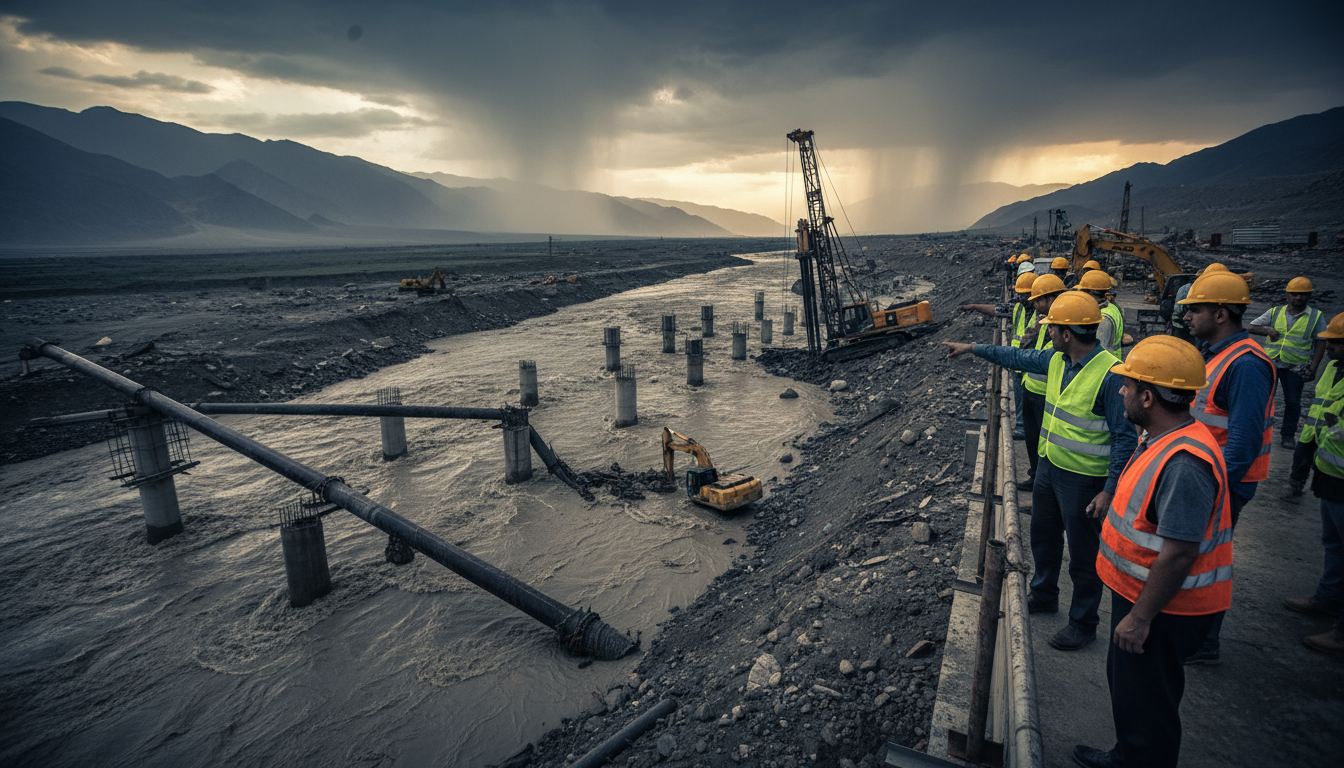
Beyond human lives, the material damage is extensive. The recent deluges have resulted in the complete or partial destruction of 147 homes, rendering numerous families displaced. Crucially for regional connectivity and future economic activity, an estimated 80 kilometers (approximately 50 miles) of vital road infrastructure have been wiped out. Agricultural land, essential irrigation canals, and various local businesses have also been devastated, directly impacting the livelihoods of 530 families. These disruptions, while localized, paint a vivid picture of infrastructure vulnerability that, in other contexts, could directly imperil energy supply chains or production facilities.

Looking ahead, meteorologists forecast heavy rainfall to continue affecting eastern and central parts of the country, raising the specter of further flooding. Local authorities are on high alert, urging residents to exercise extreme caution near riverbanks and in areas susceptible to inundation. For the oil and gas sector, which relies heavily on robust infrastructure and predictable operating environments, such persistent weather-related instability acts as a potent reminder of the increasing physical risks climate change poses to global energy assets, from pipelines to refineries.

This latest calamity is not an isolated incident but rather a continuation of a devastating trend. Earlier in the year, Afghanistan endured heavy snowfall and subsequent flash floods that claimed dozens of lives. Indeed, 2024 has already seen over 300 fatalities attributed to springtime flash floods alone. These figures paint a stark picture of a nation profoundly susceptible to extreme weather events, which routinely trigger flash floods, often leading to hundreds of casualties at a time. Investors increasingly recognize that such vulnerabilities in any corner of the globe can contribute to broader geopolitical instability and economic fragility, indirectly influencing energy demand and supply dynamics.

The roots of Afghanistan’s heightened vulnerability are multifaceted. Decades of entrenched conflict have severely hampered development, leaving infrastructure dilapidated and the economy perpetually struggling. Compounding these issues are widespread deforestation and the undeniable, intensifying effects of climate change. This confluence of factors amplifies the impact of natural disasters, particularly in remote regions where traditional mud-built homes offer minimal protection against sudden deluges or heavy snowfalls. For oil and gas companies, this scenario underscores the critical need for climate resilience strategies, not just for their own assets but also when assessing the long-term viability and stability of markets where they operate or from which they source.

From an investment perspective, these unfolding events in Afghanistan serve several crucial functions. Firstly, they highlight the escalating physical risks associated with climate change, which mandates a deeper analysis of climate resilience within energy portfolios. Secondly, the chronic instability and infrastructure challenges exacerbated by these natural disasters can have ripple effects, influencing regional security and investor confidence in broader Central and South Asian markets, which are increasingly important for energy trade and transit. Lastly, as developing nations grapple with such severe climate impacts, their capacity for economic growth and, consequently, their future energy demand trajectories, face significant headwinds. For savvy oil and gas investors, understanding these intertwined dynamics of climate, stability, and economic development is paramount for informed capital allocation in an increasingly volatile global landscape.


Source

Afghan Concerns Energy Floods project Raise Regional
Share. Facebook Twitter Pinterest Bluesky Threads Tumblr Telegram Email
omc_admin
  • Website

Related Posts

Woodside Texas Clean Ammonia Project Delayed

March 29, 2026

AI Companions: A Long-Term Driver for Energy Demand?

March 28, 2026

Hormuz: Iran Actions Raise Oil Supply Concern

March 28, 2026
Add A Comment
Leave A Reply Cancel Reply

Top Posts

Federal Reserve cuts key rate for first time this year

September 17, 202513 Views

Inflation or jobs: Federal Reserve officials are divided over competing concerns

August 14, 20259 Views

WTI Hits $85: Oil Market Outlook for Investors

May 1, 20259 Views
Don't Miss

Baker Hughes Wins 150MW Geothermal Deal for Meta

By omc_adminMarch 29, 2026

Geothermal Energy Powers Up: A New Frontier for Investor Returns in the Energy Transition The…

TotalEnergies Exceeds Methane Target, Boosts ESG Profile

March 28, 2026

Brazil Establishes Amazon Carbon Credit Market

March 28, 2026

UAE Shifts Crude Via Fujairah, De-risks Hormuz

March 28, 2026
Top Trending

Weekly ESG: Capital & Investment Insights

By omc_adminMarch 29, 2026

India’s cautious 2035 goals signal O&G longevity

By omc_adminMarch 27, 2026

Climate Investment’s $450M Boosts Mid-Stage Climate Tech

By omc_adminMarch 27, 2026
Most Popular

The 5 Best 65-Inch TVs of 2025

July 3, 202524 Views

AI’s Next Bottleneck Isn’t Just Chips — It’s the Power Grid: Goldman

November 14, 202514 Views

The Layoffs List of 2025: Meta, Microsoft, Block, and More

May 9, 202511 Views
Our Picks

Woodside Texas Clean Ammonia Project Delayed

March 29, 2026

Greek Shipowner Expands Hormuz Routes

March 28, 2026

US constraints raise Mideast oil supply risk

March 28, 2026

Subscribe to Updates

Subscribe to our newsletter and never miss our latest news

Subscribe my Newsletter for New Posts & tips Let's stay updated!

Facebook X (Twitter) Instagram Pinterest
  • Home
  • About Us
  • Advertise With Us
  • Contact Us
  • DMCA
  • Privacy Policy
  • Terms & Conditions
© 2026 oilmarketcap. Designed by oilmarketcap.

Type above and press Enter to search. Press Esc to cancel.