

Strait of Hormuz Standoff: ADNOC CEO Warns of Global Economic Catastrophe
The global economy teeters on the brink of significant instability as the head of ADNOC issues a stark warning concerning the ongoing crisis in the Strait of Hormuz. Dr. Sultan Al Jaber, Group CEO of ADNOC, has emphatically called for a unified international response to safeguard the unimpeded flow of energy through this vital maritime artery, cautioning that failure to act could precipitate a widespread economic collapse. He characterized Iran’s persistent disruptions within the Strait as a blatant act of “global economic extortion,” underscoring the profound ripple effects that extend far beyond the immediate confines of energy trading.
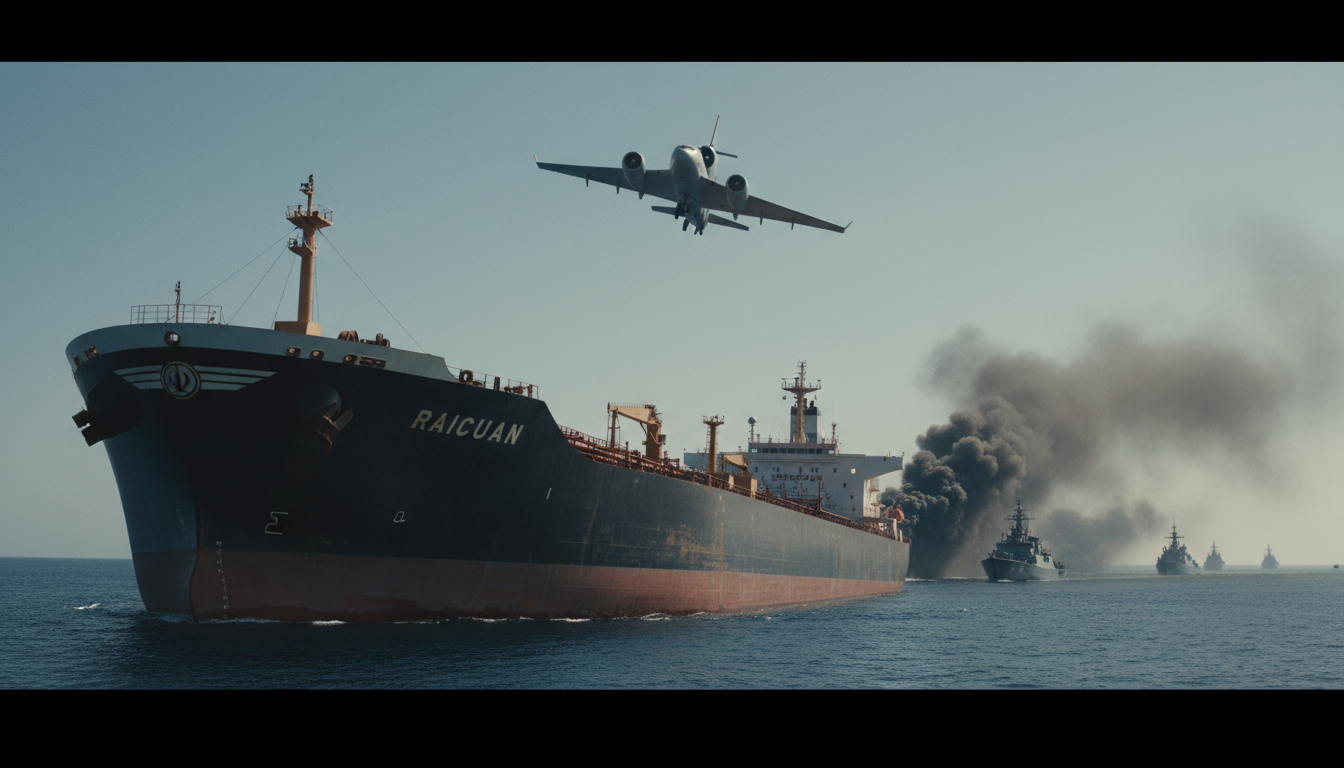
For over a month, maritime traffic through the 33-kilometer-wide Strait of Hormuz, the planet’s most critical chokepoint for oil and natural gas transit, has faced severe impediments. Vessels navigate this crucial passage under the constrained discretion of Iranian authorities, resulting in a near-total paralysis of normal shipping operations. This unprecedented slowdown presents an acute risk to global supply chains and economic equilibrium, demanding immediate attention from investors monitoring geopolitical tensions.
Market Shocks and Broader Economic Fallout
The repercussions of this blockade are already manifesting in tangible market movements and far-reaching economic consequences. The effective halt to approximately 20% of worldwide crude oil and liquefied natural gas (LNG) flows has injected immense volatility into energy markets, sending both oil and natural gas prices skyward. Major energy producers in the Gulf region have been compelled to significantly curtail their upstream production, while refineries across Asia are implementing run cuts and various nations are imposing fuel export bans to manage domestic supply constraints. These developments signal a severe strain on energy security and profitability for stakeholders across the sector.
Dr. Al Jaber, a prominent voice against the blockade, recently articulated the broader societal impact in a LinkedIn statement. He stressed that Iran’s actions in the Strait of Hormuz transcend a mere regional dispute, representing a form of “global economic coercion that the world simply cannot countenance.” The disruption, he elaborated, directly inflates food prices, elevates air travel costs, pushes up energy bills, increases medicine expenses, and impacts numerous other aspects of daily life. This is not solely an issue of oil supply; it fundamentally undermines the everyday affordability for billions of consumers globally, posing a substantial threat to global economic stability and market confidence.
A Call for International Resolve and UN Action
The ADNOC CEO’s pronouncements are not without precedent. Dr. Al Jaber has consistently been among the most outspoken critics regarding the ongoing interference with navigation in the Strait of Hormuz. His recent appeal specifically urged the international community to uphold UN Security Council Resolution 2817. This crucial resolution, adopted on March 11th with a strong majority of 13 members voting in favor (Russia and China notably abstaining), explicitly champions the protection of freedom of navigation through international waterways. For investors, the adherence to such international mandates provides a framework for de-escalation and a return to market predictability.
The resolution’s intent is clear: to ensure the unhindered movement of goods and resources essential for global commerce. Dr. Al Jaber’s insistence on its enforcement highlights the critical juncture at which the world’s energy and economic systems find themselves. The failure to collectively ensure compliance with international law in such a vital transit zone introduces an unacceptable level of risk for global trade and investment, making the resolution’s implementation a key watchpoint for those with exposure to energy commodities and international shipping.
Weaponizing Energy Flows: A Geopolitical Threat
This is not the first time Dr. Al Jaber has forcefully condemned Iran’s strategy concerning the Strait. Just last month, speaking at the prestigious CERAWeek conference in Houston, he unequivocally denounced what he termed the “weaponization” of energy and trade flows through the Strait of Hormuz, labeling it as a form of “economic terrorism” targeting every nation on earth. His remarks underscored the universal vulnerability to such tactics and the imperative for a united front.
“Transforming the Strait of Hormuz into a weapon is not merely an act of aggression against a single nation; it constitutes economic terrorism against the entire international community,” he declared at the time. “No country should ever be permitted to hold the Strait of Hormuz captive, not now, not ever.” This robust stance reflects the deep concern within the energy industry about the sustained threat to a passage through which a significant portion of the world’s energy supplies traverses daily. The implications for energy security and the stability of global markets are profound, demanding proactive strategies from governments and prudent risk management from investors navigating this precarious geopolitical landscape.
Investment Implications in an Unstable Strait
The ongoing situation in the Strait of Hormuz represents an acute and escalating geopolitical risk that demands careful consideration from energy investors. The potential for prolonged disruptions to 20% of global oil and LNG flows could continue to fuel extreme volatility in crude and natural gas prices, impacting upstream earnings, refining margins, and overall energy sector profitability. Investors should closely monitor diplomatic efforts, potential international interventions, and the steadfastness of UN resolutions, as these factors will directly influence the trajectory of global energy markets. The call to protect freedom of navigation is not merely a political statement; it is a fundamental pillar for safeguarding the stability of global commerce and the predictable supply of energy resources upon which the world economy relies. Sustained instability in this critical chokepoint will necessitate a reassessment of energy supply chain resilience and global trade pathways, underscoring the urgent need for a resolution to this global economic threat.
