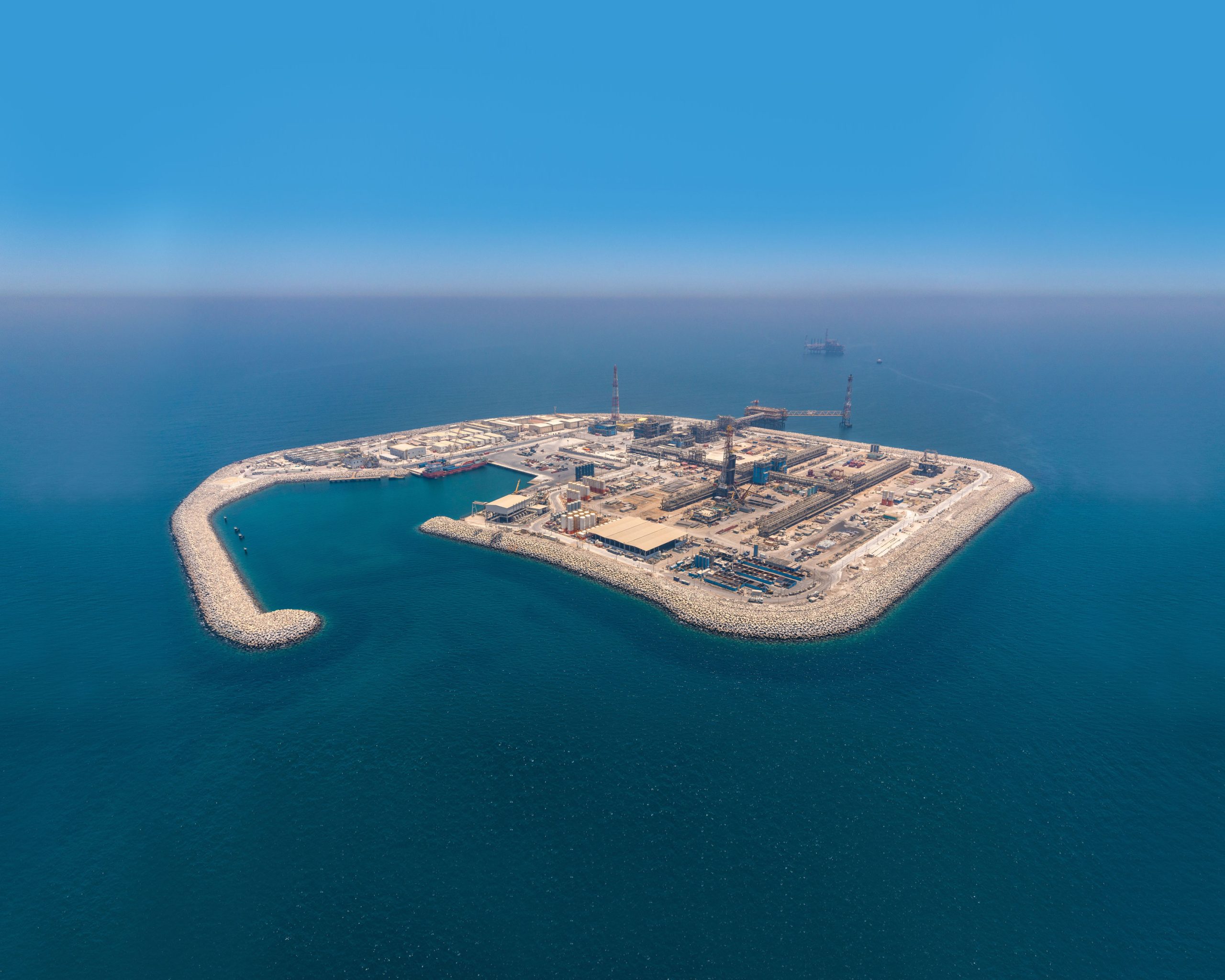
The global oil and gas industry is undergoing a profound transformation, driven by twin pressures of energy demand and environmental stewardship. Against this backdrop, ADNOC’s commercial trials of Oxford Flow’s ES stemless control valve represent a pivotal development for investors tracking innovation in the sector. This initiative, born from ADNOC’s inaugural Decarbonization Technology Challenge, signals a tangible commitment from a major national oil company to deploy advanced solutions that tackle fugitive emissions head-on while simultaneously enhancing operational efficiency. For investors, understanding the implications of such trials extends beyond mere technological adoption; it speaks to the evolving investment thesis for energy companies navigating a complex future.
The Dual Imperative: Decarbonization and Operational Excellence
ADNOC’s decision to pilot Oxford Flow’s ES valve at critical assets like Upper Zakum and Das Island underscores a fundamental shift in industry priorities. The ES valve, uniquely designed without a traditional stem or external actuator, addresses a significant, often underestimated, source of greenhouse gas emissions: leaking valves. Third-party testing has already proven its capability to eliminate these fugitive emissions, a key performance indicator for any operator aiming for ambitious decarbonization targets. Beyond environmental benefits, the valve’s compact, stemless design offers compelling operational advantages. By removing common failure points, it promises reduced maintenance requirements and a smaller physical footprint. For investors, this translates directly into lower operational expenditures (OpEx), improved asset reliability, and potentially increased uptime across both upstream and downstream operations. In an environment where companies face increasing scrutiny from regulators and shareholders regarding their environmental performance, adopting proven technologies that offer both ecological and economic benefits creates a strong value proposition, enhancing long-term sustainability and competitiveness.
Navigating Volatility: Efficiency as a Strategic Imperative
The current market environment further amplifies the strategic importance of efficiency-driving technologies. As of today, Brent Crude trades at $90.38, reflecting a significant decline of 9.07% within the day, with a range spanning from $86.08 to $98.97. Similarly, WTI Crude has fallen to $82.59, down 9.41% today. This intraday volatility follows a more extended bearish trend, with Brent having dropped by $20.91, or 18.5%, from $112.78 on March 30th to $91.87 just yesterday. Such sharp price corrections highlight the inherent unpredictability of commodity markets. In periods of downward price pressure, every dollar saved on operational costs, every improvement in efficiency, and every reduction in emissions penalties becomes critical for maintaining profitability and protecting shareholder value. Technologies like the ES valve, which offer tangible improvements in reliability and maintenance while cutting emissions, become not just “nice-to-haves” but strategic necessities. Investors are keenly asking about the long-term price trajectory of oil and how companies are safeguarding their margins. Embracing smart, resilient technologies that perform well in extreme environments and reduce ongoing costs is a direct answer to these concerns, positioning companies more robustly against market headwinds.
Strategic Expansion and Investor Confidence in the Middle East
The ADNOC pilot also signals a significant expansion for Oxford Flow within the critical Middle Eastern market, reinforcing the region’s increasing appetite for cutting-edge energy technologies. ADNOC’s collaboration, following its Decarbonization Technology Challenge, positions the company as a leader in deploying real-world decarbonization solutions. For investors, this demonstrates a progressive mindset among major national oil companies (NOCs) in the region, which are often perceived as slower adopters of new technologies compared to their international counterparts. The successful deployment of such technologies in live, challenging field conditions like Upper Zakum and Das Island can serve as a powerful endorsement, potentially accelerating wider adoption across other Middle Eastern operators and beyond. This momentum is crucial for technology providers and indicates a growing market for innovative solutions that address both environmental concerns and operational realities. Investors frequently inquire about regional growth prospects and the performance outlook for key players, and these technology collaborations point to strategic moves by major NOCs to ensure long-term operational viability and attract sustained investment.
Looking Ahead: Innovation Amidst Market Dynamics
The successful outcome of ADNOC’s trials could have far-reaching implications, setting a new benchmark for control valve technology across the industry. As we look towards the immediate future, several key market events will shape the broader investment landscape, providing a context for the ongoing technological shifts. The upcoming OPEC+ Joint Ministerial Monitoring Committee (JMMC) meeting this Saturday, followed by the full Ministerial meeting on Sunday, will be closely watched for any signals regarding production quotas and supply management. These decisions, alongside the API and EIA weekly crude inventory reports due on April 21st and 22nd respectively, will offer critical insights into short-term supply-demand balances. While these events dictate immediate market sentiment and price fluctuations, the strategic deployment of emissions-reducing, efficiency-enhancing technologies like the ES valve is critical for the industry’s long-term health and investor confidence. Investors are increasingly sophisticated, asking not just about production numbers, but also about the underlying data sources and the sustainability of energy production. Proactive investments in decarbonization technologies are key to addressing these concerns, ensuring that the oil and gas sector remains a viable and attractive investment for decades to come, irrespective of short-term price volatility. Companies that effectively integrate such innovations will be better positioned to weather market shifts and deliver consistent shareholder value.


