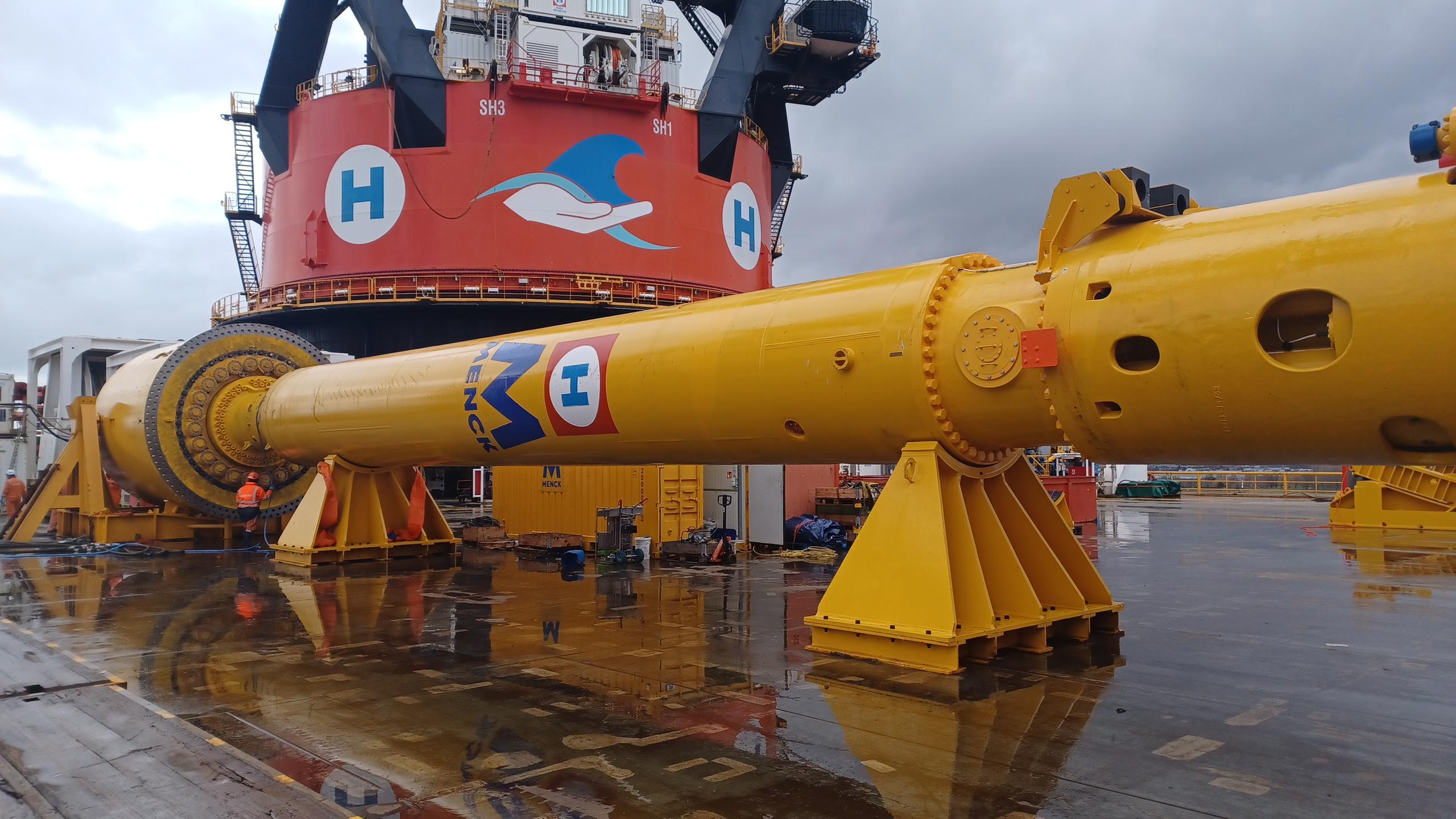
The global energy landscape continues its dynamic evolution, and the recent delivery of Acteon’s state-of-the-art MHU4400S hydraulic hammer system to Heerema Marine Contractors provides a critical lens through which to view the strategic investments shaping the offshore sector. This multi-million-pound agreement, marking the initial phase of a two-hammer contract, underscores a resolute commitment to expanding offshore foundation installation capabilities. Such a significant capital expenditure by a major marine contractor signals confidence in the long-term viability and growth trajectory of offshore energy projects, even as market dynamics present their own set of challenges and opportunities for discerning investors.
Offshore Resilience Amidst Shifting Crude Dynamics
The offshore energy sector, a cornerstone of global supply, frequently navigates the ebb and flow of crude oil prices. As of today, Brent Crude trades at $93.04 per barrel, reflecting a marginal dip of 0.21% within a daily range of $92.57 to $94.21. Similarly, WTI Crude stands at $89.43, down 0.27%, with its day range between $88.76 and $90.71. Looking at the broader trend, Brent has seen a 7% decline over the past 14 days, falling from $101.16 on April 1st to $94.09 on April 21st. Despite this recent softening in prices, Heerema’s investment in advanced pile-driving systems from Menck, a division of Acteon, suggests a strong belief in the sustained demand for offshore construction and installation projects. This commitment indicates that major players are looking beyond short-term price fluctuations, focusing instead on the essential role of offshore resources in meeting global energy requirements, whether for traditional oil and gas developments or the burgeoning offshore wind sector. For investors, this signals resilience in capital allocation within the offshore services segment, pointing towards a sustained pipeline of work that underpins the value of specialized equipment providers and marine contractors.
Technological Edge and Environmental Mandates Driving Investment
The MHU4400S hammer system is more than just a powerful tool; it represents a significant technological leap designed to meet the dual demands of operational efficiency and environmental stewardship. Equipped with global navigation satellite system (GNSS) capability, these hammers promise enhanced precision and performance during complex offshore foundation installation tasks. Crucially, the inclusion of Menck Noise Reduction Units (MNRU) addresses increasing environmental compliance requirements for offshore piling campaigns. This integrated noise-mitigation technology is vital in minimizing ecological impact, particularly in sensitive marine environments. For investors, this focus on advanced, environmentally compliant technology is a critical de-risking factor. Projects utilizing such equipment are more likely to secure regulatory approvals, face fewer delays, and maintain a positive social license to operate. Companies like Acteon and Heerema that proactively invest in these solutions position themselves at the forefront of sustainable energy infrastructure development, ensuring long-term competitiveness and appeal in a market increasingly scrutinized for its environmental footprint.
Strategic Vision: A Glimpse into the Future Offshore Pipeline
The multi-phase nature of this supply agreement, with the second MHU4400S hammer scheduled for delivery in October 2027, offers a clear window into Heerema’s long-term strategic planning and anticipated project pipeline. This phased fleet expansion is a direct response to projected future offshore installation demands, reflecting a multi-year outlook that extends well beyond immediate market cycles. While weekly indicators like the EIA Weekly Petroleum Status Report and the Baker Hughes Rig Count provide valuable real-time market pulse checks, the long-term investment horizon of offshore construction projects necessitates a broader perspective. The upcoming EIA Short-Term Energy Outlook, slated for May 2nd, will be particularly insightful. This report offers critical forecasts for supply, demand, and prices that will influence the financial investment decisions for the very projects these new hammers are designed to support. Investors should recognize that these substantial equipment acquisitions are not speculative but rather calculated moves, based on robust projections for continued activity in both conventional offshore resource development and the rapidly expanding offshore wind energy market, underpinning revenue visibility for years to come.
Addressing Investor Concerns: Long-Term Outlook for Offshore Investments
Investors frequently probe the future trajectory of crude prices, with common questions surfacing such as “what do you predict the price of oil per barrel will be by end of 2026?” and inquiries about WTI’s direction. While short-term volatility is a constant, the Acteon-Heerema deal serves as a tangible vote of confidence in the long-term stability and growth of the offshore energy sector. This significant investment in advanced foundation installation equipment suggests that industry leaders anticipate sustained demand for their services well into the future, irrespective of transient price fluctuations. The specialized nature of these operations, requiring bespoke machinery and highly skilled personnel, creates a significant barrier to entry, allowing established players like Heerema to command premium services. Furthermore, the adaptability of this equipment to both traditional oil and gas platforms and the burgeoning offshore wind turbine foundations provides a diversified revenue stream, mitigating risks associated with reliance on a single energy segment. For investors seeking exposure to the enduring energy transition, companies involved in critical offshore infrastructure and technology, particularly those demonstrating a commitment to innovation and environmental compliance, represent compelling opportunities for sustained capital appreciation.


