Navigating the Green Wave: ABB Marine & HDF Energy Forge a Decarbonization Path in Shipping
The global energy landscape is in constant flux, a dynamic environment where the imperative for decarbonization increasingly intersects with traditional fossil fuel markets. Against a backdrop of persistent volatility in crude prices, strategic partnerships focused on sustainable solutions are emerging as critical indicators for long-term investment value. The recent joint-development agreement between ABB’s Marine & Ports division and HDF Energy to engineer a scalable high-power maritime fuel cell system represents more than just a technological advancement; it signifies a pivotal investment opportunity within the broader energy transition, targeting one of the hardest-to-abate sectors: global shipping. This collaboration underscores a strategic pivot by major industry players to meet ambitious environmental targets set by bodies like the International Maritime Organisation (IMO), offering investors a clear pathway into the future of clean maritime transport.
Maritime Decarbonization: A Non-Negotiable Imperative Amidst Market Swings
The shipping industry, responsible for approximately 3% of global greenhouse gas emissions, faces mounting pressure to dramatically reduce its environmental footprint. Regulatory frameworks are tightening, demanding a seismic shift towards zero-emission operations for vessels ranging from passenger ferries to vast container ships and offshore service fleets. This commitment to cleaner coastal waters and reduced port-side emissions is not merely an environmental dictate but an economic necessity, driving innovation and substantial capital allocation into green technologies. As of today, the immediate energy market reflects a stark contrast to this long-term green vision, with Brent crude trading at $91.87, representing a notable 7.57% drop from its daily high, while WTI sits at $84, down 7.86%. This immediate volatility, following a 12.4% decline in Brent over the past two weeks from $112.57 on March 27th to $98.57 on April 16th, underscores the dynamic nature of the energy sector. Yet, for forward-thinking investors, the underlying currents of decarbonization, exemplified by ventures like the ABB-HDF collaboration, offer a compelling counter-narrative to short-term price fluctuations, signaling where future value creation truly lies.
High-Power Fuel Cells: A Scalable Solution for Diverse Fleets
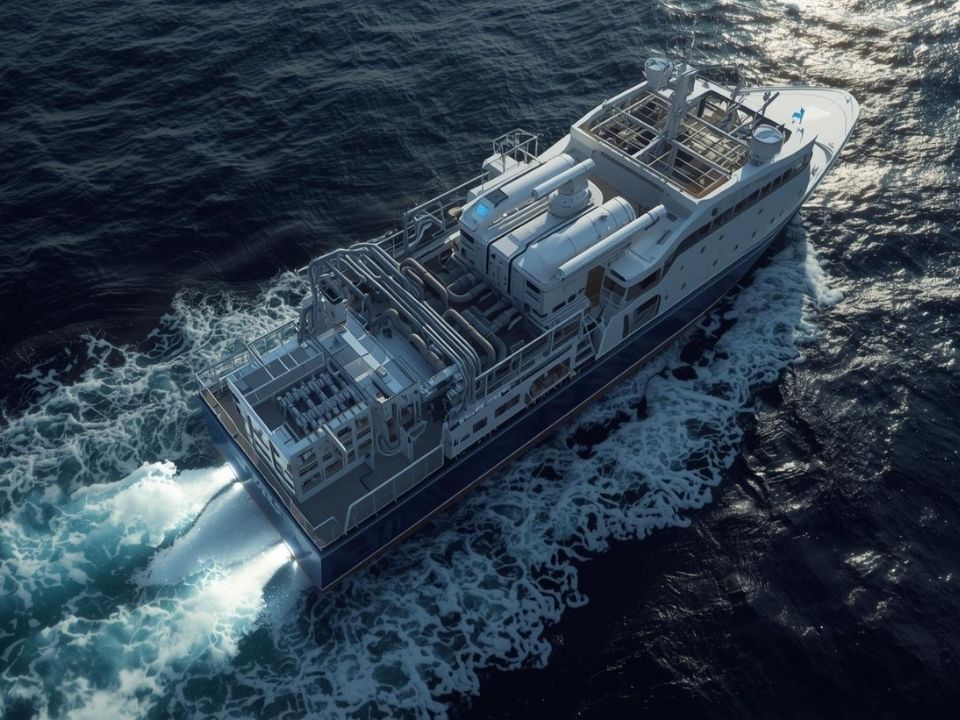
The core of this strategic partnership lies in the development of a high-power fuel cell system designed for both propulsion and auxiliary power. This technological leap addresses a critical need for ship owners, operators, naval architects, and shipyards seeking proven, clean hydrogen-powered solutions. The scalability of the system is key, allowing for deployment across a wide array of vessel types, from energy-intensive cruise ships and intercontinental container vessels to sensitive coast guard fleets. The benefits are multi-faceted: enabling zero-emission operations means compliance with ever-stricter environmental regulations, significant reductions in port-side emissions, and a contribution to healthier marine ecosystems. ABB’s extensive marine and ports expertise, combined with HDF Energy’s specialized knowledge in fuel cell technology, creates a robust foundation for derisking and accelerating the adoption of these advanced systems. This collaboration is not just about a product; it’s about building a sustainable ecosystem for maritime power generation that will define the industry for decades to come.
Investor Focus: Navigating Energy Transition Amidst Market Uncertainty and Upcoming Events
Our proprietary intent data reveals that many investors are currently asking about the trajectory of crude oil prices, with a significant number seeking predictions for Brent’s value by the end of 2026, and a keen interest in OPEC+’s current production quotas. This immediate focus on traditional supply-demand dynamics is understandable, especially with the backdrop of recent price movements. However, it’s crucial for investors to consider how initiatives like the ABB-HDF partnership mitigate long-term risks associated with a carbon-intensive portfolio and position companies for growth in a decarbonizing world. This week’s OPEC+ Joint Ministerial Monitoring Committee (JMMC) meeting on Friday, April 17th, followed by the full Ministerial meeting on Saturday, April 18th, will undoubtedly shape near-term crude market sentiment. Investors will be closely watching for any shifts in production policy that could impact the tight supply picture, especially given the recent price declines. Furthermore, upcoming API and EIA weekly crude inventory reports on April 21st and 22nd, respectively, will provide crucial insights into demand and supply dynamics. However, these immediate concerns should not overshadow the secular trend towards decarbonization, which projects like the ABB and HDF partnership are designed to capitalize on, irrespective of short-term crude volatility. Investing in companies at the forefront of clean energy solutions offers a strategic hedge against future carbon taxes and regulatory pressures, providing a pathway to sustainable returns.
Strategic Implications and Future Outlook for Green Maritime Power
The strategic implications of this joint development extend far beyond the immediate technology. This partnership represents a significant step towards creating a viable, large-scale green energy infrastructure for the maritime sector. The “scalable” nature of the high-power fuel cell system is critical, suggesting a pathway for widespread adoption across various vessel classes, each with unique power demands. As hydrogen production scales and bunkering infrastructure develops globally, the economic advantages for ship operators – through reduced fuel costs, compliance savings, and enhanced brand reputation – will become increasingly compelling. This move by ABB and HDF Energy is indicative of a broader industry shift, where innovation in clean propulsion is no longer a niche concern but a central pillar of long-term business strategy. For sophisticated oil and gas investors, understanding this evolving landscape means recognizing that while traditional energy sources continue to power much of the global economy, the capital allocation trends are increasingly favoring sustainable solutions. Companies positioned to lead this transformation, particularly in hard-to-abate sectors like shipping, are poised for substantial long-term growth and represent a compelling component of a diversified energy portfolio.