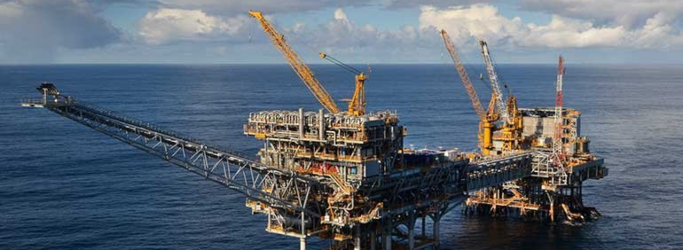
ExxonMobil’s Strategic Deepwater Recommitment in Nigeria Signals Growth
In a significant move poised to reshape its African upstream portfolio, energy behemoth ExxonMobil has announced a substantial $1.5 billion investment targeted at Nigeria’s deepwater sector. This capital injection, slated for deployment over the next two years, underscores a renewed strategic focus on a critical African market and directly addresses prior market speculation regarding the supermajor’s long-term commitment to the region. For investors monitoring ExxonMobil’s global asset allocation, this signals a confident stance on the long-term potential of Nigerian crude oil production, particularly within its more secure offshore plays.
The Nigerian Upstream Petroleum Regulatory Commission (NUPRC) formally highlighted this commitment following a productive meeting with ExxonMobil’s Nigeria managing director, Shane Harris. The core of this investment is dedicated to revitalizing the Usan deepwater field, an existing asset with proven reserves that can benefit significantly from renewed capital expenditure. This initiative arrives as Nigeria vigorously pursues an ambitious agenda to reclaim its status as Africa’s leading oil producer, an objective bolstered by regulatory reforms and a concerted effort to enhance operational stability across its petroleum sector.
Nigeria’s Production Ambitions and Deepwater’s Allure for Global Investors
Nigeria’s journey to reclaim its pre-eminent position in African oil production is a narrative of resilience and strategic pivot. The nation is targeting an ambitious oil output of 2.4 million barrels per day (bpd), a substantial leap from the less than half a million bpd recorded during the challenging year of 2022. This recovery effort is underpinned by robust governmental measures aimed at curbing persistent issues like pipeline vandalism and streamlining the regulatory environment. Such initiatives are crucial for fostering a more predictable and attractive operating landscape for international oil companies, which have historically grappled with security concerns, particularly in onshore and shallow-water concessions.
Indeed, many major global energy players have recently divested from these more challenging segments, paving the way for indigenous independent firms to expand their footprint and boost production from acquired assets. However, the deepwater segment presents a fundamentally different risk-reward profile. Characterized by vast, largely untapped reserves and a generally more secure operating environment, Nigeria’s deepwater assets continue to exert a powerful pull on international capital. ExxonMobil’s substantial $1.5 billion commitment is a clear affirmation of this strategic distinction, reflecting a profound belief in the long-term viability and profitability of Nigeria’s offshore resources for a major multinational. This investment is not merely isolated; it complements ongoing funding dedicated to other vital deepwater developments such as Owowo and Erha, further solidifying ExxonMobil’s comprehensive deepwater strategy in the Gulf of Guinea.
Investment Catalysts and Operational Focus: The Usan Field
The decision to channel a significant portion of this $1.5 billion investment into the Usan deepwater field speaks volumes about ExxonMobil’s operational strategy and its confidence in existing infrastructure. Revitalizing a producing asset often provides a faster path to increased output compared to greenfield developments, leveraging established subsea architecture and processing facilities. This approach allows for a more efficient capital deployment, directly contributing to the company’s near-term production targets and, by extension, its financial performance.
Investors should note that the two-year timeframe for this capital deployment indicates a focused effort to bring these revitalized capacities online swiftly. Such strategic investments in proven deepwater assets are critical for supermajors like ExxonMobil, which seek to maintain robust production profiles and optimize their global upstream portfolio. The Usan field, situated in a prolific deepwater block, holds significant potential for incremental production through enhanced oil recovery techniques, infill drilling, or facility upgrades, all of which fall under the umbrella of “revitalization.”
Investor Implications: Countering Speculation and Long-Term Vision
This significant financial injection by ExxonMobil carries substantial weight for the investment community, particularly in light of previous market narratives. The NUPRC’s statement explicitly highlighted that this move “counters speculation about Exxon Mobil’s potential withdrawal from Nigeria,” instead emphasizing a “strategic expansion and strengthening of its operational footprint.” For shareholders, this clarity is invaluable. While the Nigerian government had previously indicated in September a potential for ExxonMobil to invest as much as $10 billion in offshore oil developments, the current $1.5 billion commitment, though a scaled-down figure from that initial aspiration, sends a powerful and concrete message of continued engagement and confidence in the immediate future.
This specific, actionable investment demonstrates that ExxonMobil is not merely maintaining a presence but actively recalibrating and reinforcing its position in Nigeria. It’s a tangible commitment that translates directly into capital expenditure and operational activity, rather than a broad, long-term projection. For investors, this signals that ExxonMobil is strategically deepening its roots in Nigeria’s deepwater, focusing on high-value, lower-risk opportunities that align with its global capital discipline and shareholder return objectives.
Navigating the Future: Deepwater’s Role in XOM’s Upstream Portfolio
ExxonMobil’s steadfast commitment to Nigeria’s deepwater sector fits seamlessly into its broader global upstream strategy, which prioritizes high-return, low-cost-of-supply assets. While the company continues to invest heavily in prolific basins like Guyana, Brazil, and the Permian, the Nigerian deepwater plays represent a vital component of its diversified resource base. Deepwater projects typically offer large reserve potential, often produce higher-quality crude, and benefit from longer production plateaus, providing stable cash flows over extended periods.
This investment underscores the enduring appeal of established deepwater provinces for major energy companies seeking to bolster their production and reserve replacement ratios. For investors, ExxonMobil’s calculated move in Nigeria reinforces its reputation as a disciplined capital allocator, willing to invest in regions where the economics and operational environment meet its stringent criteria. As the global energy landscape evolves, such targeted deepwater investments are crucial for ensuring long-term crude oil production growth and enhancing shareholder value within ExxonMobil’s expansive and strategically managed upstream portfolio.