The Canadian energy sector stands at a pivotal juncture, with the recent political shift and the ascendancy of Prime Minister Carney ushering in a new era of policy considerations. For global energy investors, understanding the nuances of this evolving landscape is critical. While the industry expresses cautious optimism regarding potential regulatory adjustments and a strategic vision for Canada as an “energy superpower,” significant hurdles, particularly around federal emissions targets, remain. Our analysis delves into how these policy directions, set against a backdrop of dynamic global energy markets and specific investor concerns, are shaping the investment thesis for Canadian oil and gas.
Policy Alignment and Streamlined Approvals: A New Horizon for Capital
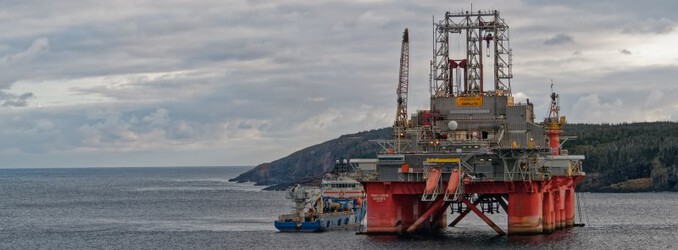
Initial signals from the new administration under Prime Minister Carney suggest a more pragmatic approach to energy policy, which could unlock significant investment opportunities. The articulated vision for Canada to solidify its position as an “energy superpower” is particularly encouraging for conventional energy sources, alongside cleaner alternatives. This strategic direction, if robustly pursued, could translate into supportive governmental frameworks for oil and gas investment, especially in regions like Newfoundland and Labrador, where substantial offshore potential awaits development. A key proposal attracting investor attention is the commitment to a “one window” approval process for major projects. This initiative promises to dramatically streamline permitting, potentially reducing timeline risks and enhancing capital efficiency for energy developers. For investors, this translates directly into improved project economics and more predictable returns, a welcome change after years of regulatory uncertainty.
Navigating the Emissions Cap: A Critical Juncture for Production and Investor Confidence
Despite the encouraging rhetoric, the proposed federal emissions cap remains a significant point of contention for the industry and, by extension, for investors. Our reader intent data shows a consistent focus on factors impacting future oil production quotas and regional investment attractiveness, highlighting the emissions cap as a top-of-mind concern. Investors are keenly asking about the long-term price of oil and the viability of projects under differing regulatory frameworks. The industry has consistently argued that the cap, in its current form, could restrict production growth, stifle job creation, and curtail economic opportunity, particularly for the vital Newfoundland and Labrador offshore sector. For capital allocators, a production cap translates directly into limitations on growth potential and reduced future cash flows, making project economics less attractive. While Prime Minister Carney has indicated a willingness for further dialogue on this issue, the ultimate resolution will be a critical determinant for the flow of investment into Canadian hydrocarbon projects. Clarity and flexibility on this front are paramount to sustaining investor confidence and ensuring Canada’s competitiveness in the global energy market.
Global Market Volatility Meets Canadian Stability: Price Dynamics and Investment Decisions
The Canadian energy sector’s future policies are unfolding against a backdrop of significant global market volatility, a factor our proprietary data pipelines track in real-time. As of today, Brent Crude trades at $90.38 per barrel, marking a 9.07% decline from yesterday’s close, fluctuating within a daily range of $86.08 to $98.97. Similarly, WTI Crude is at $82.59, down 9.41%, with a daily range of $78.97 to $90.34. This sharp daily downturn follows a broader trend where Brent has fallen by $20.91, or 18.5%, over the past 14 days, from $112.78 to $91.87. Such price movements underscore the dynamic environment in which Canadian projects must compete. While global demand for reliable, responsibly produced energy remains robust, the recent volatility demands that Canadian projects offer superior capital efficiency and a stable regulatory environment to attract investment. The focus on developing conventional sources alongside cleaner alternatives positions Canada to meet diverse global energy needs, but only if policy frameworks can insulate projects from excessive cost burdens and regulatory delays, thereby enhancing their resilience to price swings.
Upcoming Events and Strategic Positioning for Long-Term Value
Looking forward, the coming weeks present several key global energy events that will undoubtedly influence market sentiment and, consequently, investor appetite for Canadian energy assets. The OPEC+ Joint Ministerial Monitoring Committee (JMMC) meeting scheduled for tomorrow, April 18th, followed by the full Ministerial meeting on April 19th, could significantly impact near-term crude supply decisions. These meetings are closely watched by investors, particularly those asking about OPEC+ production quotas and their potential influence on global oil prices by the end of 2026. Furthermore, the API Weekly Crude Inventory reports on April 21st and April 28th, along with the EIA Weekly Petroleum Status Reports on April 22nd and April 29th, will provide crucial insights into demand dynamics and inventory levels in the world’s largest consumer. For Canada, a stable and predictable policy environment, coupled with a commitment to responsible resource development, will be essential to attract long-term capital regardless of short-term market fluctuations. The Baker Hughes Rig Count updates on April 24th and May 1st will also offer a pulse on upstream activity, providing additional context for investment strategies. By aligning policy with market realities and investor expectations, Canada can position its energy sector for sustained growth and value creation.