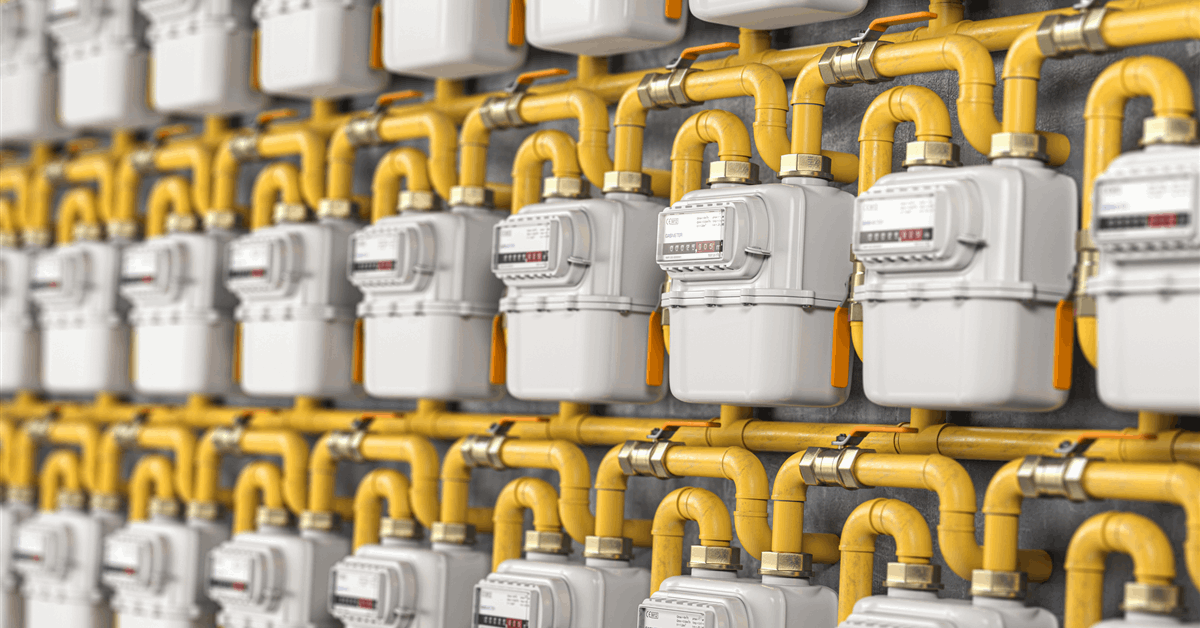
Energy market participants and oil and gas investors are keenly observing developments in Eastern Europe, particularly as Ukraine’s state-owned energy conglomerate, Naftogaz Group, announces a critical extension of its regulated residential natural gas tariff. This decision signals a continued governmental commitment to consumer price stability amidst ongoing geopolitical turmoil, fixing the domestic gas cost at UAH 7.96, or approximately $0.19, per cubic meter until April 2026.
This long-term price freeze, a direct result of a governmental moratorium, aims to shield Ukrainian households from the volatility inherent in international energy markets. For investors, this creates a distinct operational environment where domestic revenue streams for the state energy giant are predictable, albeit capped, while the underlying operational risks remain profoundly elevated. Naftogaz emphasizes the critical role of timely bill payments in maintaining national energy stability, underscoring the direct link between consumer contributions and the nation’s capacity to withstand persistent external pressures on its infrastructure. The company’s acting chief executive has consistently highlighted the unwavering objective of ensuring consistent gas delivery to homes, even under the most challenging circumstances.
Navigating Extreme Geopolitical Risk: Naftogaz’s Operational Stance
Despite an unprecedented backdrop of conflict, Naftogaz has demonstrated remarkable operational resilience, maintaining its role as a vital natural gas supplier to an extensive network of 12.5 million households. The past winter, a period of heightened vulnerability, saw the company successfully avert widespread gas blackouts, a testament to its robust crisis management protocols. However, this achievement came at a significant cost and amidst severe challenges that highlight the precarious balance in Ukraine’s energy sector.
The risk landscape escalated dramatically in February, when large-scale missile attacks specifically targeted gas production facilities. These coordinated assaults led to an immediate loss of nearly half of the state’s total gas output, creating an acute supply crisis that could have precipitated a nationwide collapse of the gas network at any moment. Naftogaz reports that a staggering 34 of its gas production sites have been impacted by these attacks throughout 2024-25, starkly illustrating the constant threat to critical energy infrastructure and the inherent volatility for any investment consideration in the region.
This dichotomy presents a complex analytical challenge for oil and gas investors. While the domestic consumer market benefits from a fixed price, the foundational operational environment is saturated with risk. Naftogaz’s consistent service delivery showcases exceptional crisis management capabilities, yet the persistent vulnerability of its production assets demands careful consideration when evaluating the long-term investment outlook for Ukraine’s energy sector. Investors will be closely monitoring how effectively Naftogaz continues to mitigate these profound operational risks, secure its infrastructure against future threats, and potentially seek international assistance for these endeavors.
Strategic Sourcing and Diversification for Future Energy Security
In a proactive move to fortify its position ahead of the upcoming winter, Naftogaz has strategically secured significant gas volumes and diversified its supply channels. The company has already contracted 400 million cubic meters (mcm) of natural gas specifically earmarked for the next cold season, a crucial step in ensuring preparedness. Since the beginning of the year, total contracted gas volumes have reached an impressive 1.5 billion cubic meters (bcm), underscoring a concerted effort to build sufficient reserves.
This strategic pivot towards diversified sourcing is not merely an operational necessity but a fundamental shift in Ukraine’s energy security posture. It minimizes reliance on any single supply route or source, a critical lesson learned from past geopolitical pressures. The ongoing international support, including financial aid and technical assistance, plays a pivotal role in enabling Naftogaz to execute these procurement strategies, allowing it to acquire necessary volumes from European markets. For investors, the strength and sustainability of this international support framework are key indicators of Naftogaz’s long-term viability and its ability to maintain supply resilience.
Investor Lens: Assessing Risk and Opportunities in a Challenged Market
The situation in Ukraine’s energy sector, as highlighted by Naftogaz’s price cap extension and operational challenges, offers a unique case study for oil and gas investors. On one hand, the government’s commitment to consumer stability, enforced through Naftogaz, provides a predictable domestic demand curve. On the other, the severe and ongoing attacks on critical infrastructure introduce an unparalleled level of operational risk and capital expenditure requirements for repair and hardening.
Investors must weigh the remarkable resilience demonstrated by Naftogaz against the persistent threat environment. Key metrics to monitor include the success rate of infrastructure protection efforts, the efficiency of repair and reconstruction programs, and the continued flow of international financial and technical support. The ability of Naftogaz to maintain high collection rates on its fixed tariffs will also be crucial for its internal liquidity and operational funding, especially given the costs associated with securing diversified supplies and repairing damaged assets.
While direct investment into Ukrainian upstream assets may carry prohibitive risk premiums in the current climate, understanding Naftogaz’s strategic maneuvers provides insight into the broader dynamics of European energy security. Companies involved in energy infrastructure protection, smart grid technologies, or those offering diversified gas supply solutions might find indirect opportunities in supporting Ukraine’s long-term energy resilience. Ultimately, the story of Naftogaz is one of extraordinary operational fortitude in the face of existential threats, making its strategic decisions and financial health a barometer for the broader energy investment landscape in conflict-affected regions.


