Germany’s Eastward Energy Pivot: Unlocking Central Asian Investment Frontiers
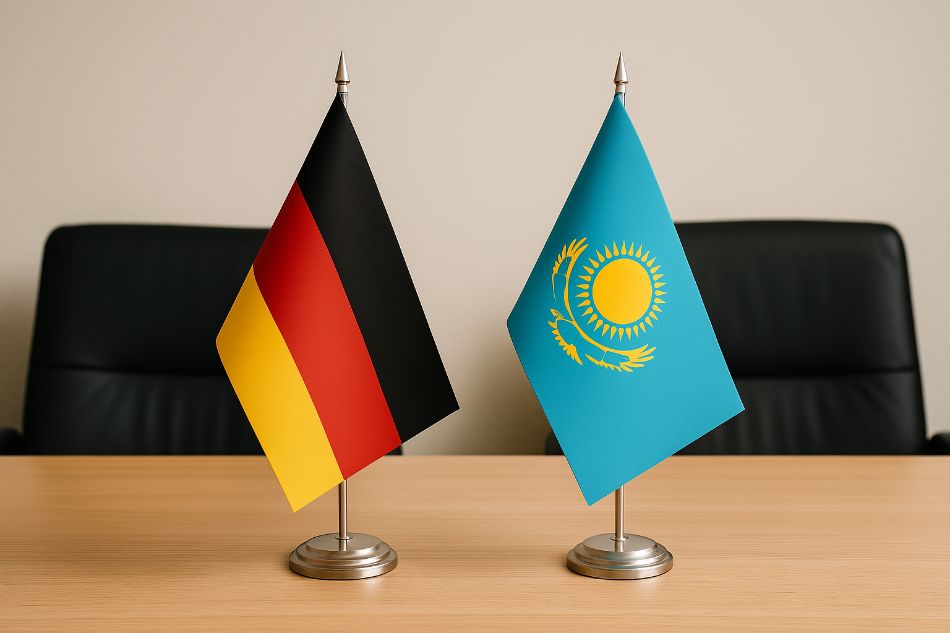
Global economic shifts are fundamentally reshaping industrial nations’ supply chains and strategic alliances. For Germany, this evolving landscape has ushered in a profound economic “Zeitenwende” – a historic turning point extending far beyond defense policy. Savvy investors are closely monitoring Germany’s aggressive pursuit of market diversification and energy security, especially following its decisive move away from Russian energy dependence. This strategic reorientation now highlights significant investment prospects in Central Asia, with Kazakhstan emerging as a pivotal partner for international capital.
Kazakhstan, a nation undergoing its own ambitious economic transformation, presents a compelling proposition for global capital and specialized expertise. Already Germany’s most crucial trading partner in Central Asia, it actively cultivates balanced foreign policies and implements reforms aimed at broadening its economic base beyond hydrocarbons. While challenges inherent to developing markets persist, Kazakhstan offers a robust platform for German small and medium-sized enterprises (SMEs) – the backbone of its industrial might – seeking growth, diversification, and a strategic foothold in a dynamic region rich with untapped potential for oil and gas infrastructure, renewable energy, and broader industrial development.
Germany’s Strategic Reorientation Meets Kazakhstan’s Economic Ambition
Germany’s “Zeitenwende” carries substantial economic implications for investors. It mandates reducing critical dependencies and cultivating stronger, more resilient international economic relationships. The abrupt cessation of low-cost Russian energy necessitated a swift and comprehensive diversification of energy sources. This imperative simultaneously pushed German industry, particularly its globally integrated Mittelstand, to fundamentally reassess supply chain vulnerabilities and actively seek out new, reliable partners. The German government unequivocally supports these initiatives as integral to national economic security, signaling a favorable environment for investors aligning with these strategic objectives.
Concurrently, Kazakhstan is proactively reshaping its own economic future, creating a fertile ground for diverse investments. Recognizing the inherent risks associated with heavy reliance on oil and gas exports, the government has prioritized a robust economic diversification agenda. National development plans explicitly target growth in sectors such as advanced manufacturing, agriculture, renewable energy production, logistics infrastructure, and digital technology. Ambitious goals, including achieving carbon neutrality by 2060 and substantially increasing the share of renewable energy in its national grid, underscore a firm commitment to modernization. These transformations demand significant foreign investment, advanced technology, and specialized expertise – precisely what innovative German companies, especially its agile SMEs, are well-positioned to deliver.
This confluence of Germany’s urgent need for stable partners and Kazakhstan’s demand for investment creates a powerful synergy. It’s a strategic alignment driven by shared national interests, fostering a conducive environment for long-term capital deployment. For oil and gas investors, this signifies opportunities not only in traditional upstream and midstream sectors but also in the broader energy transition, including gas-to-power projects, CCUS technologies, and infrastructure supporting cleaner energy export routes.
Investment Horizons: Beyond Traditional Hydrocarbons
While Kazakhstan remains a significant player in global hydrocarbon markets, investors should note its strategic pivot towards a more diversified economy. This shift presents a dual opportunity: continued engagement in its mature oil and gas sector, which requires ongoing investment for maintenance, modernization, and efficiency gains, alongside burgeoning prospects in adjacent and new energy fields. The push for carbon neutrality by 2060 opens doors for investments in renewable energy projects – solar, wind, and hydro – and the development of associated infrastructure like smart grids and energy storage solutions. Investors can find value in supporting Kazakhstan’s drive to substantially increase its renewable energy share, aligning with global ESG mandates.
German expertise in engineering, manufacturing, and sustainable technologies makes it an ideal partner for Kazakhstan’s diversification goals. This collaboration extends beyond direct energy production to supporting industries, including the development of advanced materials, digital solutions for industrial processes, and efficient logistics networks. Opportunities for international investors include direct equity investments, joint ventures with local Kazakh entities, and participation in infrastructure development projects funded by multilateral institutions.
Navigating the Investment Landscape in Central Asia
Investing in developing markets like Kazakhstan requires a nuanced understanding of local dynamics. However, the nation’s proactive reforms aimed at improving the business climate, enhancing legal frameworks, and attracting foreign direct investment (FDI) are strong indicators of its commitment to international partnerships. Its balanced foreign policy provides a stable geopolitical backdrop for long-term commitments. For investors in the oil and gas sector, this means evaluating projects not just on immediate returns but also on their strategic fit within Kazakhstan’s evolving energy matrix and its role in Germany’s long-term energy security strategy.
The German government’s overt support for this eastward economic pivot provides an additional layer of confidence for private capital. German businesses, particularly the Mittelstand, are renowned for their long-term vision and commitment to technology transfer and capacity building – qualities highly valued by Kazakhstan as it seeks to modernize and diversify. This creates a compelling narrative for investors looking to participate in a strategically important, government-backed economic transformation. Investors should consider opportunities in modernizing existing oil and gas infrastructure, developing new gas fields for domestic consumption and export, and participating in Kazakhstan’s ambitious renewable energy and industrial projects, all of which contribute to a more resilient and diversified energy future for both nations.
In conclusion, Germany’s “Zeitenwende” is not merely a political slogan but a powerful economic catalyst driving investment into new frontiers. Kazakhstan, with its abundant resources, strategic location, and ambitious reform agenda, stands ready to capitalize on this shift. For oil and gas investors, this represents a unique opportunity to engage with a dynamic market that is simultaneously a significant hydrocarbon producer and a rapidly emerging hub for renewable energy and industrial diversification, offering a compelling blend of traditional energy stability and future-proof growth potential.