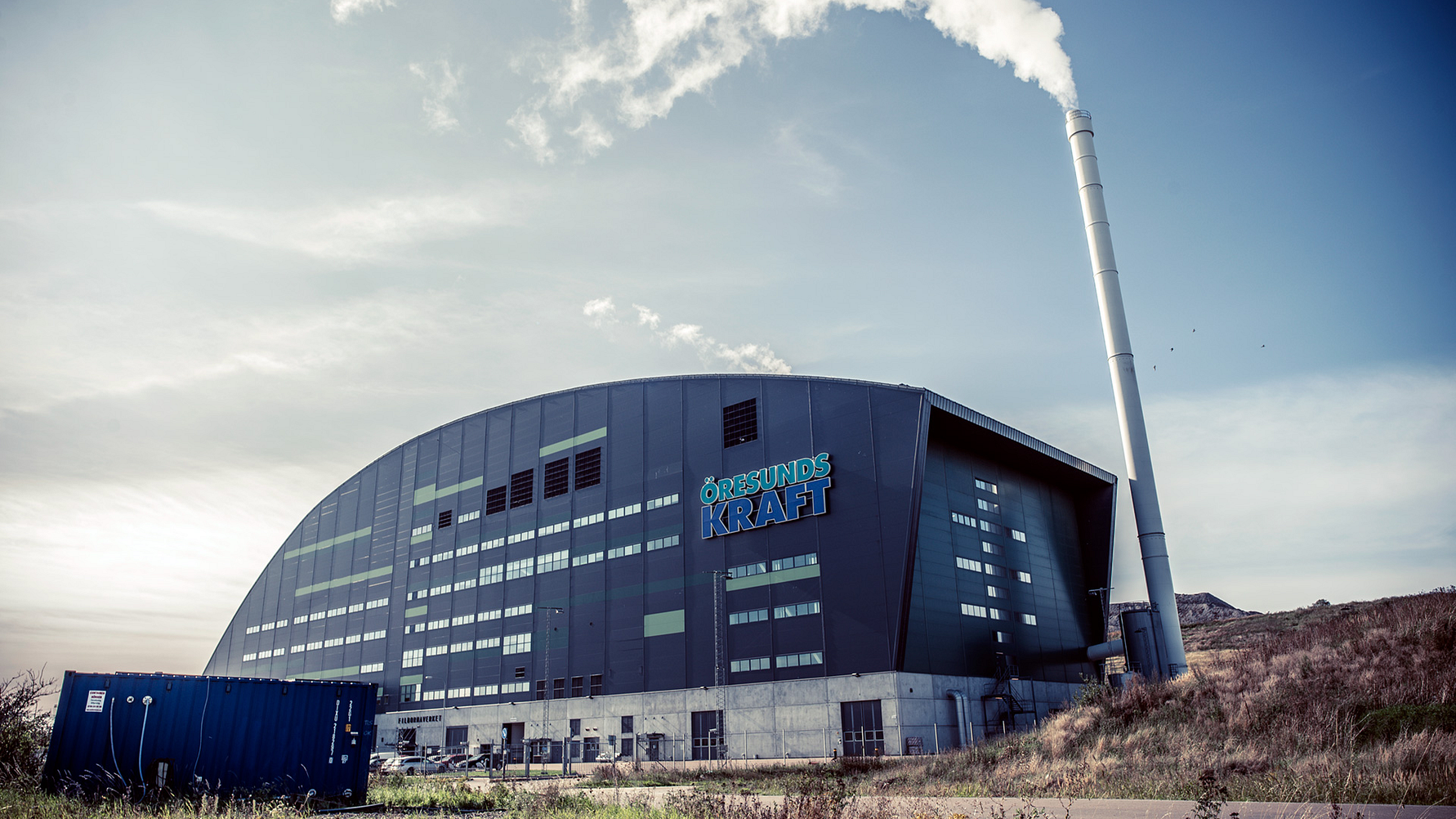
The global energy sector stands at a pivotal crossroads, demanding innovative solutions to meet escalating decarbonization targets while ensuring sustained energy supply. For astute investors in the oil and gas domain, carbon capture and storage (CCS) projects are emerging not just as an environmental necessity, but as a compelling investment frontier. A groundbreaking initiative in Sweden provides a vivid illustration of this burgeoning market, showcasing the tangible opportunities available in the green energy transition.
Carbon Capture: A New Frontier for Energy Investment
The imperative to mitigate climate change is reshaping investment strategies across industries, particularly within the energy sector. Carbon capture and storage technology represents a cornerstone in this transformation, offering a pathway to significantly reduce industrial emissions. Sweden’s trailblazing project, spearheaded by the municipal energy powerhouse Öresundskraft, is setting an unprecedented standard for integrated industrial carbon capture within Europe. This endeavor offers a concrete case study for investors eyeing the rapidly expanding sustainable infrastructure market, demonstrating the potential for both environmental impact and robust financial returns.
Located at the Filbornaverket combined heat and power (CHP) facility in Helsingborg, this ambitious undertaking stands as one of Europe’s first full-scale CCS installations directly integrated into a district heating system. This unique integration highlights the versatility and broad applicability of CCS technology, extending its reach beyond traditional heavy industries to essential urban energy services. Öresundskraft’s decisive investment signals a proactive stance on climate challenges and a forward-looking strategy for future energy security, marking a significant milestone for municipal energy companies globally.
Decoding the Swedish Pioneer: Scale and Capital Commitment
The financial commitment underpinning this pioneering facility is substantial, with an estimated investment of SEK 3 billion, equating to approximately EUR 260 million at current exchange rates. This significant capital outlay is strategically positioned to deliver impressive environmental and economic returns. Once operational, the facility is projected to capture an impressive 200,000 tonnes of carbon dioxide annually, positioning it as a key player in Europe’s industrial decarbonization efforts.
For investors, this project offers a tangible asset within the expanding carbon capture market. The predictable CO2 sequestration capacity directly addresses tightening environmental regulations and the escalating demand for sustainable infrastructure solutions. With an operational target set for 2028, this initiative provides a clear timeline for value realization, aligning with long-term investment horizons focused on the energy transition. The integration with a CHP plant also underscores the potential for diversified revenue streams, combining carbon removal with essential urban utility services.
Strategic Imperative: Driving Decarbonization and Value Creation
The strategic importance of this investment resonates deeply within Helsingborg, evidenced by the strong city council majority supporting the decision. This collective commitment from municipal leadership highlights a profound understanding of the climate imperative and a clear willingness to lead through technological innovation. The project’s impact extends beyond merely preventing new emissions; it actively contributes to removing existing CO2 from the atmosphere, generating invaluable “negative emissions.”
This dual benefit is critical for Helsingborg’s ambitious objective of achieving net-zero emissions by 2030, a target that places the city among the most progressive municipalities worldwide. Such pioneering initiatives create compelling opportunities for investors seeking to back projects with robust Environmental, Social, and Governance (ESG) credentials and a clear, measurable pathway to environmental impact. The ability to generate negative emissions also opens avenues for participation in evolving carbon credit markets, adding another layer of financial upside.
De-risking Investments: Public Support and Market Validation
A crucial indicator of investment viability and investor confidence in large-scale CCS projects lies in robust funding mechanisms and comprehensive market validation. While the specific details of national funding for this project were not fully detailed, the sheer scale of the investment decision from a municipal entity, backed by strong political consensus, strongly implies significant governmental and institutional support. Such backing is instrumental in de-risking complex, capital-intensive infrastructure projects like CCS, providing a stable foundation for private sector engagement.
Governmental incentives, policy frameworks, and public-private partnerships play a pivotal role in accelerating the deployment of carbon capture technologies. They provide the necessary confidence for long-term capital allocation by reducing regulatory uncertainty and offering financial de-risking mechanisms. Investors closely monitor these signals, understanding that strong national and regional commitments are often precursors to sustained growth and profitability in emerging green sectors. The Swedish project exemplifies how coordinated public and private efforts can unlock substantial investment potential in critical climate solutions.
The Expanding Horizon: CCS Opportunities for the Oil & Gas Sector
For the oil and gas industry, carbon capture and storage is not merely an ancillary technology but a core component of its future strategy. Energy majors and service providers are uniquely positioned to leverage their deep expertise in subsurface geology, large-scale project management, and extensive pipeline infrastructure to become leaders in the CCS space. Investments in projects like Filbornaverket provide invaluable insights into operational efficiencies, technological advancements, and economic models that can be scaled globally.
The global demand for decarbonization solutions is only set to intensify, creating a fertile ground for CCS market growth. Oil and gas companies can capitalize on this by developing new business lines, investing in enabling technologies, and forming strategic partnerships. This diversification not only addresses environmental concerns but also offers a pathway to long-term sustainability and new revenue streams in a rapidly evolving energy landscape. Forward-thinking investors recognize that integrating CCS capabilities will be a key differentiator for energy companies navigating the transition.
Seizing the Carbon Capture Advantage
The pioneering carbon capture project in Sweden serves as a powerful testament to the growing maturity and investment potential of CCS technology. It underscores a fundamental shift in the energy paradigm, where environmental stewardship and economic opportunity converge. For investors in the oil and gas sector, these developments signal a clear imperative: carbon capture is no longer an optional add-on but a critical pathway to future growth, resilience, and profitability.
By actively engaging with projects like Filbornaverket, investors can gain early exposure to a market poised for exponential expansion. The confluence of ambitious climate targets, robust technological advancements, and supportive policy environments creates an unparalleled investment landscape. Seizing the carbon capture advantage means aligning portfolios with the inevitable trajectory of global decarbonization, unlocking significant value, and securing a stake in the energy future.