Geopolitical Crosscurrents Reshape Energy Investment Landscape
The global energy sector is increasingly navigating a turbulent sea of geopolitical developments, with the evolving economic relationship between the United States and China standing out as a critical determinant of market stability and investor sentiment. Under its renewed mandate, the U.S. administration has rapidly intensified its economic confrontation with Beijing, initiating what many market observers characterize as the most aggressive protectionist trade agenda witnessed in decades. This assertive posture carries profound implications for crude oil and natural gas markets, demanding meticulous consideration from discerning energy investors.
Washington’s Assertive Trade Offensive
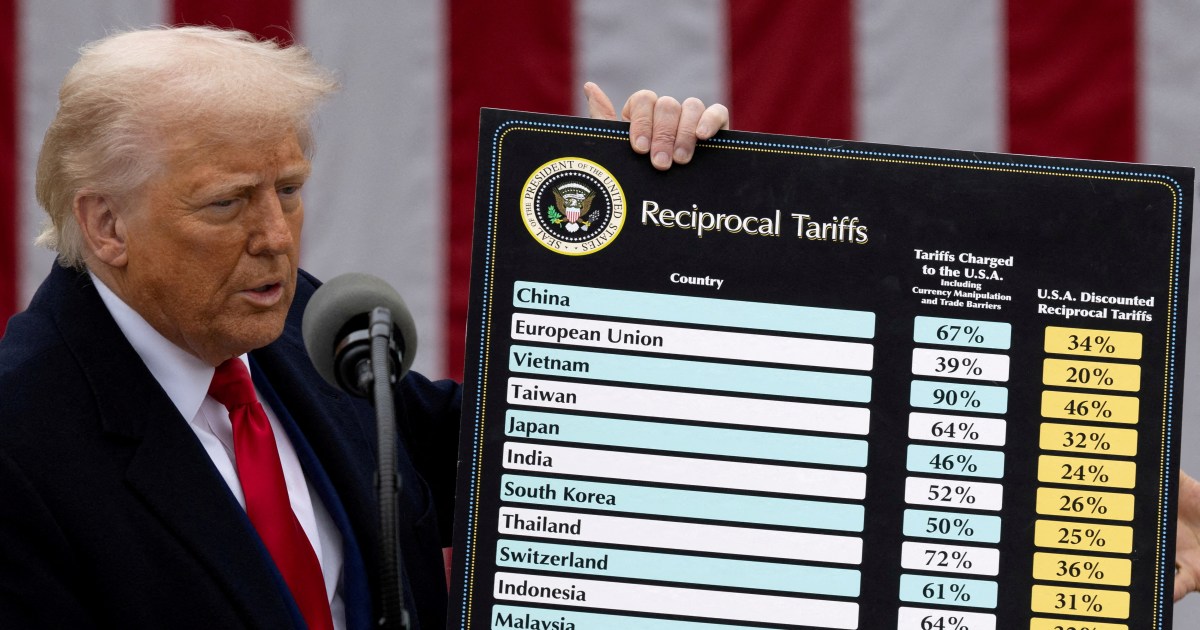
From the commencement of its current term, the U.S. government has wasted no time in executing a stringent trade policy. Its leadership has imposed tariffs amounting to a substantial 145 percent on the vast majority of Chinese imports, with specific categories now facing an even steeper 245 percent duty. Crucially, previous mechanisms that allowed Chinese exporters to bypass existing tariffs have been definitively closed. Beijing’s response has been equally resolute, with China implementing 125 percent tariffs on most American goods. Beyond these direct duties, retaliatory measures include tighter controls on critical mineral exports and limitations on foreign cultural products, underscoring the comprehensive scope of this escalating economic friction.
The Protectionist Doctrine Guiding Policy
This renewed trade conflict does not represent an abrupt policy shift but rather a continuation and intensification of the U.S. President’s long-held conviction that the United States has been unfairly disadvantaged by its trade relationships, particularly with China. Financial experts observe that the current approach reflects an elevated commitment to these objectives. As one finance academic from the University of Hong Kong noted, this stance frames China as a rival rather than a collaborator, signaling a more forceful and determined execution of trade policy.
This perspective is rooted in the belief that China has disproportionately benefited from the era of globalization at the expense of American consumers and industrial sectors. The administration’s goals are unambiguous: to rebalance trade flows, stimulate domestic manufacturing job creation within the U.S., and ensure American companies achieve greater market penetration in China. This historical context is vital for energy investors, as it suggests that these trade tensions are not transient but rather a foundational element of the current administration’s economic foreign policy framework.
Decoding the Economic Rationale
The economic data cited by the administration provides the underlying context for its protectionist agenda. In 2024, the U.S. trade deficit in goods and services reached an alarming $918.4 billion. The deficit in goods alone soared to a record $1.2 trillion. China, which ranks as the third-largest U.S. trade partner following Mexico and Canada, is perceived as a primary contributor to this significant imbalance. For global energy markets, such large-scale economic recalibrations between the world’s two largest economies inevitably send ripples through global demand forecasts, impacting everything from crude oil consumption to natural gas prices.
Direct Impact on Global Oil and Gas Dynamics
The escalating trade war between the U.S. and China fundamentally alters the risk profile for energy investors. Firstly, the threat of reduced global economic growth looms large. Trade disputes typically stifle industrial activity and consumer spending, directly translating to diminished demand for crude oil, refined products, and natural gas. Energy portfolio managers must therefore model scenarios that account for potentially depressed global GDP forecasts, which could exert downward pressure on commodity prices.
Secondly, supply chain vulnerabilities become more pronounced. Tariffs on industrial components, steel, and specialized equipment crucial for upstream exploration and production, midstream infrastructure projects, and downstream refining operations could significantly inflate project costs. This directly impacts capital expenditure (CAPEX), erodes profit margins for exploration and production (E&P) companies, oilfield service providers, and refiners, and can delay or even cancel critical energy projects worldwide.
Thirdly, the liquefied natural gas (LNG) trade faces specific implications. While direct tariffs on energy commodities have not been a primary focus, general trade friction could prompt China, a major LNG importer, to diversify its suppliers away from the U.S. or reduce overall imports due to an economic slowdown. This introduces uncertainty for U.S. LNG exporters, potentially impacting their long-term contracts and market share, leading to a realignment of global LNG flows and pricing structures.
Furthermore, heightened geopolitical uncertainty inherently deters foreign direct investment. Energy mega-projects, which demand substantial, long-term capital commitments, become inherently riskier in a volatile trade environment. This reluctance to invest can slow down the development of essential energy infrastructure and impede capacity expansion globally, affecting future supply capabilities.
Finally, these tensions invariably lead to increased price volatility across energy markets. Oil and gas futures often react sharply to geopolitical headlines, presenting both elevated risks and fleeting opportunities for agile traders. For long-term investors, factoring in this persistent geopolitical risk premium becomes paramount when valuing energy assets and making strategic allocation decisions.
Navigating the Geopolitical Investment Horizon
Energy investors must recognize that these trade tensions are not isolated incidents but represent a core tenet of the current U.S. administration’s economic strategy. Prudent portfolio adjustments may become necessary, including the implementation of hedging strategies, diversification across less exposed geographies, and a focus on companies with robust balance sheets and superior operational efficiencies that can weather economic headwinds.
Continuous monitoring of trade negotiations, key economic indicators from both the U.S. and China, and their subsequent impact on global GDP forecasts is paramount for making informed investment decisions within the inherently volatile energy sector. The coming months will serve as a critical test for the resilience of the global energy market against these powerful and persistent economic forces.