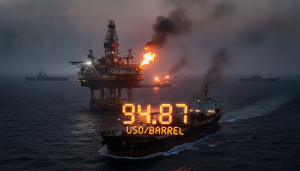
Geopolitical Tensions Ignite Fresh Concerns for Oil and Gas Investors in the Persian Gulf
The delicate equilibrium underpinning Middle Eastern energy stability faces renewed scrutiny following a recent surge in military exchanges between the United States and Iran. These latest incidents cast a long shadow over the viability of a tenuous ceasefire and, critically, the immediate prospects for unimpeded navigation through the Strait of Hormuz—a vital conduit for an immense volume of the world’s crude oil and liquefied natural gas (LNG) shipments. For investors closely monitoring the global energy landscape, this escalation signals heightened risk and reinforces the inherent volatility of a region central to global supply chains.
This fresh wave of hostilities arrives after weeks of painstaking negotiations, primarily focused on extending the existing truce and restoring normalcy to commercial shipping operations within Hormuz. Since a widespread conflict erupted in late February, maritime traffic through this strategic waterway has remained profoundly subdued, operating well below its customary pre-war activity levels. The market’s anxieties were palpable overnight, as reports emerged of Iranian forces targeting U.S. military installations situated in Bahrain and Kuwait. In a swift response, American forces launched retaliatory strikes against identified Iranian assets positioned near the Strait of Hormuz. Adding to the tension, Washington also confirmed the successful interception of Iranian drones actively targeting commercial vessels operating within the sensitive regional waters, underscoring the direct threat to global trade.
Despite these alarming developments, U.S. and Iranian negotiators ostensibly remain at the table, attempting to forge a comprehensive framework. The proposed agreement aims to not only solidify and extend the current ceasefire but also to fully reopen maritime channels through Hormuz. However, the path to a lasting resolution remains fraught with significant hurdles. Fundamental disagreements persist on critical matters such as ensuring freedom of navigation, addressing Iran’s contentious nuclear program, and unfreezing substantial Iranian assets held abroad. These unresolved issues represent formidable barriers to achieving enduring stability and transparency in a region paramount to the world’s energy lifeline.
The immediate reaction from commodity markets was unequivocal: oil prices registered an upward movement following news of the intensified military activity. This uptick directly reflects the market’s perennial concern over potential disruptions to Middle East supply and the pervasive uncertainty surrounding future crude and natural gas export volumes from the Persian Gulf. Any perceived threat to this region invariably translates into a risk premium baked into energy commodity prices, as traders and investors factor in the potential for supply shocks. The ongoing reduction in shipping activity through the Strait of Hormuz since the late February conflict highlights the vulnerability. While some vessels have managed to resume transit in recent weeks, often under the protective coordination of U.S. military forces, the aggregate shipping volumes are still dramatically below historical averages, indicating a sustained impediment to normal trade flows.
Strait of Hormuz: The Unwavering Chokepoint and Its Global Economic Implications
The Strait of Hormuz is not merely another shipping lane; it is an irreplaceable chokepoint through which approximately one-fifth of the world’s total crude oil and liquefied natural gas supplies pass daily. This staggering volume underscores its unparalleled strategic importance to global energy security and economic stability. A prolonged or significant disruption to shipping through Hormuz would not only further tighten already sensitive global energy markets but also severely complicate ongoing efforts to restore and stabilize regional crude and natural gas exports from key producing nations. Investors must recognize that the geopolitical risks associated with this narrow waterway are perpetual and have a direct, tangible impact on the valuation of energy assets worldwide.
The complexities of the situation are amplified by the mixed signals emanating from diplomatic channels. While both American and Iranian officials continue to publicly express support for ongoing negotiations, Iranian statements explicitly indicate that no “meaningful breakthrough” has been achieved thus far. This blunt assessment serves as a stark reminder to the investment community of the persistent, high-stakes risks facing global energy markets and the critical Gulf shipping routes. The lack of tangible progress suggests that the underlying structural issues contributing to regional instability are far from resolution, leaving energy supplies vulnerable to sudden shifts in geopolitical winds.
For sophisticated investors in the oil and gas sector, the current climate demands acute vigilance. The interplay of military posturing, stalled diplomatic efforts, and the inherent strategic value of the Strait of Hormuz creates a volatile environment where energy prices can swing dramatically on headline news. Managing exposure to geopolitical risk, understanding the resilience of global supply chains, and assessing the potential for diversification in energy sources become paramount considerations. The ongoing saga in the Persian Gulf is a potent reminder that while market fundamentals drive long-term trends, external shocks from geopolitical flashpoints can fundamentally reshape short-to-medium term investment theses in the global oil and gas industry.
The path forward remains clouded with uncertainty. Until a robust and verifiable framework for regional stability and freedom of navigation is established, the specter of supply disruption will continue to hang heavy over the energy markets. Investors should brace for continued volatility, exercising caution and diligence as they navigate the intricate web of geopolitical developments that directly influence the valuation and security of global oil and gas assets. The stakes for the international energy economy, and by extension, global financial markets, could not be higher.