The global oil market is grappling with an unprecedented level of geopolitical risk following a stark revelation from Washington. Secretary of State Marco Rubio disclosed on Tuesday that Iran has systematically mined “large segments” of the Strait of Hormuz, a critical maritime artery, indicating a far more extensive threat than previously understood. This testimony before the Senate Foreign Relations Committee on June 2, 2026, marks Rubio’s first congressional appearance since the U.S. and Israel initiated hostilities against Iran on February 28, underscoring the severity of the ongoing conflict’s impact on international energy security.
Geopolitical Tensions Escalate: Hormuz Minefield Poses Existential Threat to Global Oil Flows
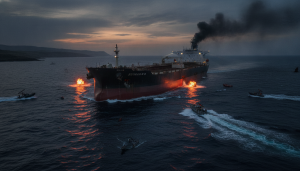
Rubio’s blunt assessment painted a grim picture for investors monitoring Middle East stability and crude oil prices. He explicitly stated that Iranian forces are not only “firing on commercial ships” but have also deployed explosives across significant portions of international waters within the Strait of Hormuz. The Secretary of State unequivocally labeled these actions “unlawful and illegal,” signaling the U.S. administration’s firm stance against Iran’s aggressive posture. He further outlined key demands for any future resolution: Iran must commit to cease charging transit tolls, halt all attacks on commercial vessels, and actively participate in the removal of any mines it has laid within the vital waterway. These conditions highlight the substantial hurdles facing any de-escalation efforts and the enduring risk premium now baked into energy commodity valuations.
The Strait’s Unparalleled Strategic Value Under Threat
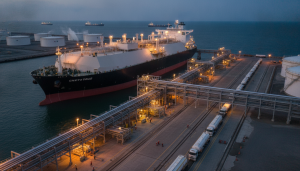
For decades, the Strait of Hormuz has stood as an indispensable chokepoint for the global energy infrastructure, channeling approximately 20% of the world’s total oil supplies before the recent conflict erupted. However, the escalating threats emanating from Iran have triggered a dramatic collapse in oil tanker traffic through this narrow passage. This drastic reduction in throughput represents nothing short of the largest supply disruption in the history of the modern oil market, sending shockwaves through energy trading floors and prompting serious concerns over global crude availability and pricing stability. Investors must now contend with an operational environment where a fifth of global crude flows faces direct impediment, significantly tightening supply fundamentals and heightening volatility.
White House Response and Evolving Strategy
The U.S. administration’s approach to the burgeoning mine threat has evolved since the initial stages of the conflict. Early in the war, President Donald Trump expressed skepticism regarding Iran’s mine deployment. On March 10, he utilized a Truth Social post to issue a stern warning, demanding Iran’s immediate removal of any mines discovered in the Strait of Hormuz. However, as the situation deteriorated, President Trump adopted a more assertive stance. By April 23, he publicly announced that he had authorized the U.S. Navy to “shoot and kill” any vessel engaged in minelaying activities within the strait. Simultaneously, he affirmed that U.S. mine sweepers were “clearing the Strait” at an accelerated pace, intending to reassure the market of America’s commitment to restoring unimpeded navigation.
The Persistent Challenge of Mine Clearance
Despite President Trump’s resolute declarations and the reported accelerated pace of U.S. clearance operations, the issue of Iran’s mines continues to pose a formidable obstacle to the resumption of large-scale commercial shipping. Over a month after the President’s assertion that the U.S. was actively clearing explosives, the lingering presence of these devices remains a critical concern. Just last Friday, the President reiterated his demand, urging Iran to “complete the immediate removal and/or detonation of any mines” that U.S. forces have not already neutralized. This repeated call underscores the persistent challenge and the significant uncertainty surrounding the precise number of mines still present in Hormuz and their exact locations within the sea lane. Jack Kennedy, head of Middle East country risk at S&P Global Market Intelligence, emphasized that a substantial and comprehensive demining effort is a prerequisite for tanker traffic to even consider returning to pre-war volumes. This expert assessment offers a sobering outlook for oil market participants hoping for a swift return to normalcy.
Investor Outlook: Prolonged Volatility and Supply Constraints
The opacity surrounding the total number of remaining mines in the Strait of Hormuz and their specific placements creates a palpable sense of apprehension among energy investors. While the White House declined to provide specifics on how many mines are still believed to be in the waterway, an unnamed official confirmed that the Pentagon has successfully destroyed numerous mines and over 40 minelaying vessels, illustrating the scale of the ongoing military operation. Despite this progress, the same official offered a somewhat optimistic, albeit potentially understated, assessment, characterizing these disruptions as “short-term, temporary.” For astute investors, however, the current situation suggests a prolonged period of elevated geopolitical risk, potentially sustained high crude oil prices, and persistent volatility across the energy complex. The fundamental disruption to global crude flows, coupled with the complex and hazardous nature of mine clearance operations, signals that the Strait of Hormuz will remain a critical flashpoint demanding close attention from all participants in the international oil market for the foreseeable future. Strategic portfolio adjustments prioritizing energy security and resilience are paramount in this new, high-risk landscape.