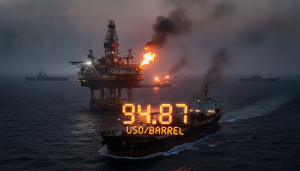
US-Iran Diplomacy: A Critical Juncture for Global Energy Markets and Oil Investor Outlook
Global oil markets are keenly observing diplomatic overtures between the United States and Iran, as ongoing discussions signal a potential breakthrough that could lead to the reopening of the crucial Strait of Hormuz. These high-stakes negotiations carry profound implications for the world’s energy supply, crude oil pricing, and the broader investment landscape, as a fragile ceasefire continues to hold in the region.
Despite this cautiously optimistic tone, significant hurdles persist. Primary points of contention revolve around the scope of sanctions reduction, the parameters of Iran’s uranium enrichment program, and the mechanisms for ensuring compliance with any future accord. While senior American envoys confirm that formal approval of any comprehensive deal remains pending, negotiators are reportedly ironing out critical wording, particularly concerning a potential extension of the recent, delicate ceasefire.
President Donald Trump, in a recent social media update, characterized the evolving dynamic with Tehran as increasingly “professional and productive.” However, he firmly reiterated that the current U.S. maritime presence safeguarding the Strait would be maintained until a definitive agreement is finalized, underscoring Washington’s cautious approach amidst the delicate diplomatic dance.
The Hormuz Bottleneck: Why Global Investors Are Watching
The stakes for global energy investors could not be higher. The Strait of Hormuz, an indispensable chokepoint situated between the Persian Gulf and the Gulf of Oman, facilitates approximately one-fifth of the world’s traded crude oil and liquefied natural gas (LNG). Its strategic importance means that any disruption or perceived threat of one sends ripples through the market, directly impacting commodity prices and the profitability of energy sector investments.
Indeed, recent geopolitical tensions and resultant shipping impediments within the region have undeniably contributed to a sharp ascent in crude benchmarks throughout the current year, simultaneously exacerbating a scarcity of tanker capacity. A definitive resolution that guarantees unimpeded passage through Hormuz would likely alleviate some of the geopolitical risk premium embedded in oil prices, potentially leading to increased supply and improved shipping efficiencies, which in turn affects tanker company valuations and global logistics costs.
Key Concessions and Persistent Divides
Sources within the U.S. administration indicate Iran has, in principle, consented to the removal of its highly enriched uranium stockpiles as a component of the overarching framework. This potential concession, if fully realized and verifiable, represents a significant step towards de-escalation and could pave the way for broader cooperation. In return, Washington has signaled a conditional willingness to alleviate certain sanctions, contingent upon Tehran’s stringent adherence to the stipulations of a future pact.
Conversely, pronouncements from Iranian authorities and state-affiliated media outlets underscore that substantial disagreements persist. Tehran continues to press vigorously for the repatriation of its frozen financial assets – a demand that represents a considerable financial windfall for the Iranian economy, potentially enabling increased domestic spending and further investment in its energy infrastructure. Furthermore, Iran has conspicuously refrained from publicly endorsing several key provisions detailed by American negotiating teams, highlighting the fragile nature of the ongoing dialogue.
Iranian President Masoud Pezeshkian has publicly asserted Tehran’s readiness to provide international assurances regarding its non-pursuit of nuclear armaments, concurrently emphasizing the nation’s commitment to regional stability. This diplomatic messaging aims to reassure international partners and potentially garner support for sanctions relief.
Geopolitical Headwinds and Domestic Scrutiny
While U.S. Secretary of State Marco Rubio offered a glimmer of optimism, suggesting “some good news” might emerge from the Hormuz discussions, President Trump has concurrently stressed a deliberate approach, indicating no hasty commitment to any accord. This cautious stance reflects both the complexity of the issues at hand and the significant domestic political pressures surrounding any deal with Iran.
Domestically, the negotiations have attracted notable criticism from certain Republican legislators and national security proponents. These influential voices contend that the proposed framework falls short of adequately curbing Iran’s ballistic missile development and its broader uranium enrichment endeavors. Their concerns highlight the delicate balance the administration must strike between diplomatic engagement and addressing perceived security threats. Meanwhile, Israeli Prime Minister Benjamin Netanyahu has consistently reiterated his nation’s firm stance: any final arrangement must unequivocally neutralize the existential threat posed by Iranian nuclear weapon capabilities.
Potential Market Repercussions: A Glimpse into the Future
Earlier disclosures, citing draft proposals, hinted at a framework encompassing a 60-day extension of the existing ceasefire, a full restoration of shipping operations through the Hormuz chokepoint, and a conditional, limited reintroduction of Iranian crude oil to global markets as talks progress. For investors, the prospect of Iranian oil re-entering the market, even in a limited capacity, represents a potential significant supply boost. This could ease tightness in specific crude grades and influence global benchmarks, creating both opportunities and risks across the oil and gas value chain.
Should Iranian exports truly ramp up, it would necessitate a re-evaluation of global supply-demand forecasts, impact OPEC+ production strategies, and could shift tanker utilization rates. The reopening of Hormuz itself would reduce transit risks and insurance premiums for shipping, benefitting carriers and end-users alike. However, the exact timing and volume of any such reintroduction remain speculative, tethered to the successful navigation of these intricate negotiations.
Uncertainty Lingers for Oil & Gas Investors
Despite these discernible signals of advancement, both Washington and Tehran maintain that numerous fundamental disagreements persist. The prospect of these delicate negotiations unraveling before a conclusive agreement is inked remains a significant consideration for market participants. For oil and gas investors, this translates into continued volatility and the necessity for vigilance regarding geopolitical developments. The outcome of these talks will undoubtedly be a defining factor for energy market dynamics in the coming months, underscoring the interconnectedness of diplomacy, security, and global economic stability.