Strait of Hormuz Crisis: A Multi-Year Rebalancing for Global Oil Markets
The global oil market faces an unprecedented challenge, with a complete rebalancing potentially extending well into 2027 if the critical Strait of Hormuz remains disrupted beyond mid-June. This stark warning comes directly from Amin Nasser, CEO of Saudi Aramco, who addressed investors during the company’s recent first-quarter earnings call. The implications for energy investors, commodity traders, and the broader global economy are profound, signaling a sustained period of volatility and elevated prices.
Nasser emphasized the severe timeline: even if the Strait of Hormuz were to fully reopen today, the market would still require several months to stabilize. Should the current closure persist for just a few more weeks, the path to normalization stretches dramatically, pushing recovery efforts out by multiple years. This long-term outlook underscores the gravity of the current geopolitical standoff and its tangible impact on fundamental supply and demand dynamics.
Geopolitical Stalemate Deepens the Crisis
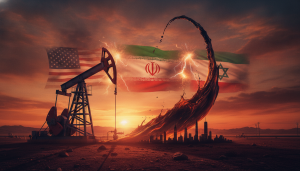
The underlying cause of this market turmoil is the deepening chasm between the United States and Iran. President Donald Trump’s recent rejection of Tehran’s counterproposal to de-escalate the conflict has left any potential ceasefire in a precarious state. This diplomatic deadlock directly translates into a continued closure of the Strait, a narrow yet indispensable maritime artery that previously facilitated the passage of approximately 20% of the world’s total oil supplies. Since early March, Iranian actions have effectively sealed this vital sea lane, severing a crucial link between the Persian Gulf and the international market.
The Paralysis of the Global Tanker Fleet
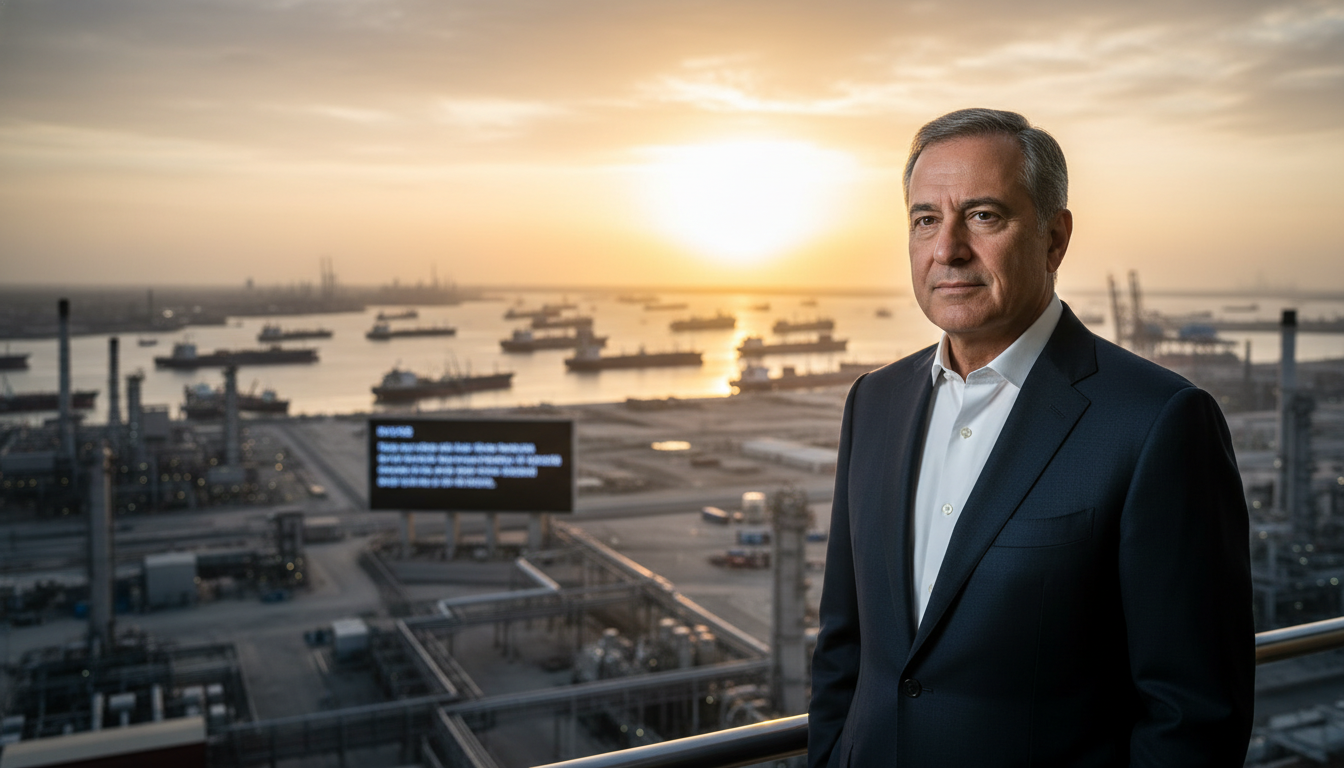
Aramco’s CEO highlighted the profound disruption to the global tanker fleet as the most immediate and critical challenge confronting the market. An astounding number of vessels, exceeding 600, primarily oil and refined product tankers, are currently trapped within the confines of the Persian Gulf. Furthermore, an additional 240 ships are reportedly idling just outside the Strait of Hormuz, awaiting passage. This massive accumulation of inactive tonnage creates a complex logistical nightmare.
Many of these vessels have been stationary for an extended period, prompting some to consider rerouting to alternative destinations. Nasser described the fleet as “mixed up,” with tankers often positioned in inefficient or incorrect locations globally. The monumental task of repositioning these ships from disparate regions to their optimal operational zones will be a time-consuming and costly endeavor. Even under the most optimistic projections, restoring energy and commodity supply chains to their pre-conflict traffic levels will demand several months, as vessels are either rerouted or strategically avoid the idle conditions prevalent in the Gulf.
Quantifying the Staggering Supply Deficit
The economic repercussions of the Strait’s closure are escalating with each passing day. Nasser warned that for every week the Strait of Hormuz remains inaccessible, the global oil market sacrifices an staggering 100 million barrels of supply. Before the current crisis, approximately 70 vessels traversed the Strait daily; today, that number has plummeted to a mere two to five ships. This drastic reduction in traffic directly translates into a significant and growing supply deficit.
To date, the market has already absorbed a loss exceeding 1 billion barrels of crude due to the Hormuz blockage. While mitigation efforts have helped, the net loss still stands at an alarming 880 million barrels. These efforts include the strategic redirection of exports via Aramco’s East-West pipeline and the judicious release of crude from governmental strategic reserves worldwide.
Mitigation and the Petroline’s Critical Role
Saudi Aramco’s East-West pipeline, also known as the Petroline, has emerged as a crucial bypass, offering an alternative route for crude oil to reach the Red Sea from Saudi Arabia’s Gulf coast. In response to the crisis, Aramco has aggressively scaled up the pipeline’s capacity, which now stands at a robust 7 million barrels per day. This infrastructure plays an indispensable role in mitigating a portion of the supply losses, but its capacity, while substantial, cannot fully offset the complete closure of the Strait.
Inventories Plunge as Summer Demand Looms
The sustained supply disruption from the Middle East is rapidly depleting global oil inventories, with refined products like gasoline and jet fuel experiencing particularly sharp drawdowns. This trend poses a significant risk, as these inventories could reach critically low levels just as the Northern Hemisphere approaches its peak summer driving and travel season. Such a scenario would inevitably exert upward pressure on prices and could potentially lead to localized supply shortages, impacting consumers and industries alike.
An Unprecedented Energy Shock
Nasser unequivocally stated that the current disruption to shipping through the Strait of Hormuz represents the single largest energy supply shock ever recorded. The cumulative strain on global supplies intensifies day by day, creating a dynamic environment for energy investors. The prolonged nature of this crisis, coupled with the geopolitical complexities, necessitates a reassessment of risk profiles and investment strategies within the oil and gas sector. Investors must factor in sustained higher oil prices, potential supply chain bottlenecks, and the ongoing geopolitical premium associated with this vital chokepoint.