Energy investors are grappling with heightened uncertainty following the Trump administration’s abrupt decision to halt a previously announced U.S. military operation designed to secure commercial shipping through the Strait of Hormuz. This sudden reversal, coming just hours after senior defense officials detailed the protective measures, casts a long shadow over global oil and gas markets, which remain exceptionally vulnerable to disruptions in this vital chokepoint.
The proposed mission, dubbed Project Freedom, aimed to re-establish secure passage for vessels navigating the Strait, a waterway critical for approximately one-fifth of the world’s daily oil and liquefied natural gas (LNG) flows. Its primary objective was to mitigate the severe constraints on maritime traffic that have persisted since the escalation of tensions with Iran. Under the blueprint, the U.S. Navy and Air Force were prepared to deploy a formidable array of assets, including destroyers, advanced aircraft, surveillance drones, and fast patrol boats, to escort and protect commercial ships transiting the narrow passage.
Project Freedom: A Shield Delayed
Defense Secretary Pete Hegseth and Joint Chiefs Chairman Dan Caine had publicly outlined Project Freedom as a targeted, defensive endeavor intended to be temporary. They emphasized the immediacy of the threat, noting that U.S. forces had already intervened to assist two vessels safely exit Hormuz just days prior, on Monday. These operations involved actively repelling aggressive maneuvers by Iranian drones, missiles, and fast boats, underscoring the acute and present danger faced by maritime traffic. The very existence of such a robust protective effort signaled the significant security vacuum that the international shipping community faced.
For investors monitoring global energy supply chains, the prospect of U.S. military escorts offered a glimmer of stability. The explicit commitment of naval and air power, coupled with recent successful interventions, suggested a tangible step toward de-risking crude oil and LNG transit. Project Freedom was poised to be a critical stopgap, potentially easing insurance premiums and restoring confidence among ship operators wary of traversing the volatile waters. The temporary nature was key, implying a short-term solution while broader diplomatic efforts unfolded, but its sudden retraction has left markets without this immediate buffer.
The Diplomatic Imperative: A Calculated Pause
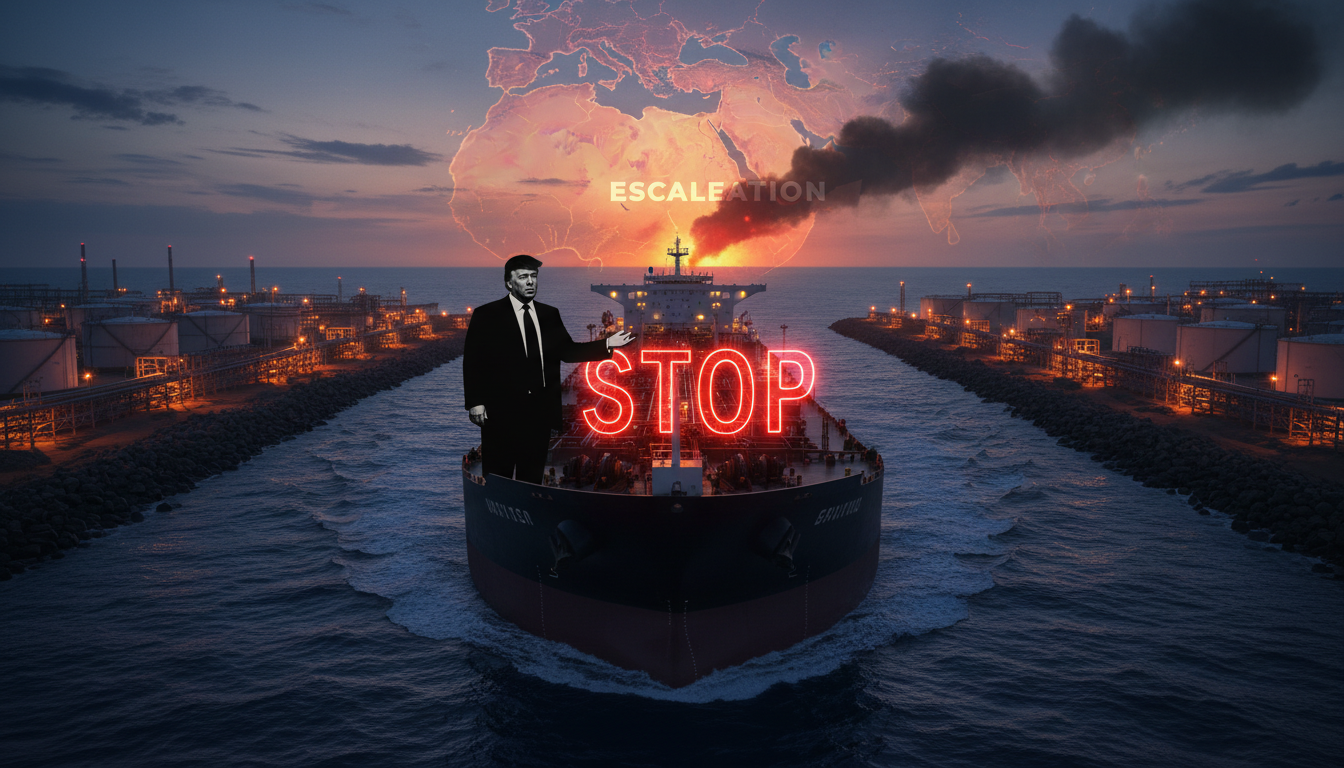
However, President Donald Trump personally intervened, placing the entire operation on indefinite hold. His rationale centered on creating “room for diplomacy,” suggesting that a robust military escort at this juncture could inadvertently provoke a broader escalation rather than de-escalation. This strategic pivot comes amid intense pressure on the administration to find a resolution to the ongoing conflict and alleviate its detrimental impact on global energy markets. The decision reflects a delicate balancing act between projecting strength and avoiding an all-out confrontation, with the global economy’s energy stability hanging in the balance.
This diplomatic gambit, while aiming to avert a larger conflict, has immediate financial implications for energy sector stakeholders. The absence of a clear security umbrella means that the geopolitical risk premium embedded in crude oil prices, tanker rates, and insurance costs is unlikely to dissipate. Instead, it could intensify as the uncertainty deepens. Investors must now weigh the potential benefits of renewed diplomatic efforts against the very real and present danger of continued aggression in the Strait, understanding that the path to peace is often fraught with market volatility.
Enduring Volatility: The Unsettled Strait
The reversal critically highlights the persistent instability surrounding the Strait of Hormuz. Despite the U.S. administration’s diplomatic overtures, commercial shipping remains severely constrained, and security risks are undeniably elevated. Iran has shown no signs of easing its pressure on the waterway, employing tactics that range from harassment to direct attacks on oil infrastructure. A recent example includes a strike on an oil terminal in Fujairah in the United Arab Emirates, an incident that served as a stark reminder of Iran’s capacity and willingness to target critical energy assets in the region.
Shipping groups and major maritime operators have consistently voiced their grave concerns, warning that the threat to vessels traversing the Strait has sharply increased. This heightened risk perception translates directly into operational caution; many operators are either rerouting vessels, delaying shipments, or demanding exorbitant insurance premiums to cover the peril. The economic ripple effects are undeniable, impacting not only the cost of transporting crude oil and LNG but also influencing downstream product pricing and global energy supply chain reliability. For investors, this translates into sustained exposure to potential supply disruptions and upward pressure on commodity prices.
Investment Outlook: Navigating Unabated Uncertainty
The pause in Project Freedom means global oil and gas markets will continue to operate under a cloud of significant disruption risk. There is currently no clear timeline for when normal, unhindered flows through the Strait of Hormuz might resume, if ever, without a diplomatic breakthrough or renewed security assurances. This protracted uncertainty forces energy investors to maintain a vigilant watch on geopolitical developments, as market reactions can be swift and severe following any new incident or pronouncement from the region.
For those holding positions in oil producers, refiners, LNG exporters, or tanker companies, the implications are profound. Supply chain resilience, diversification of sourcing, and hedging strategies become paramount. The risk of tanker attacks, delays, or even blockades poses a direct threat to earnings and operational continuity. Conversely, some investors might see opportunities in companies with robust logistics or alternative export routes, or in those positioned to capitalize on higher crude oil and LNG prices resulting from supply tightness. Ultimately, the absence of an immediate U.S. military escort transforms the Strait of Hormuz from a point of concern into a central axis of unmitigated risk for the global energy investment landscape, demanding strategic foresight and agility from market participants.