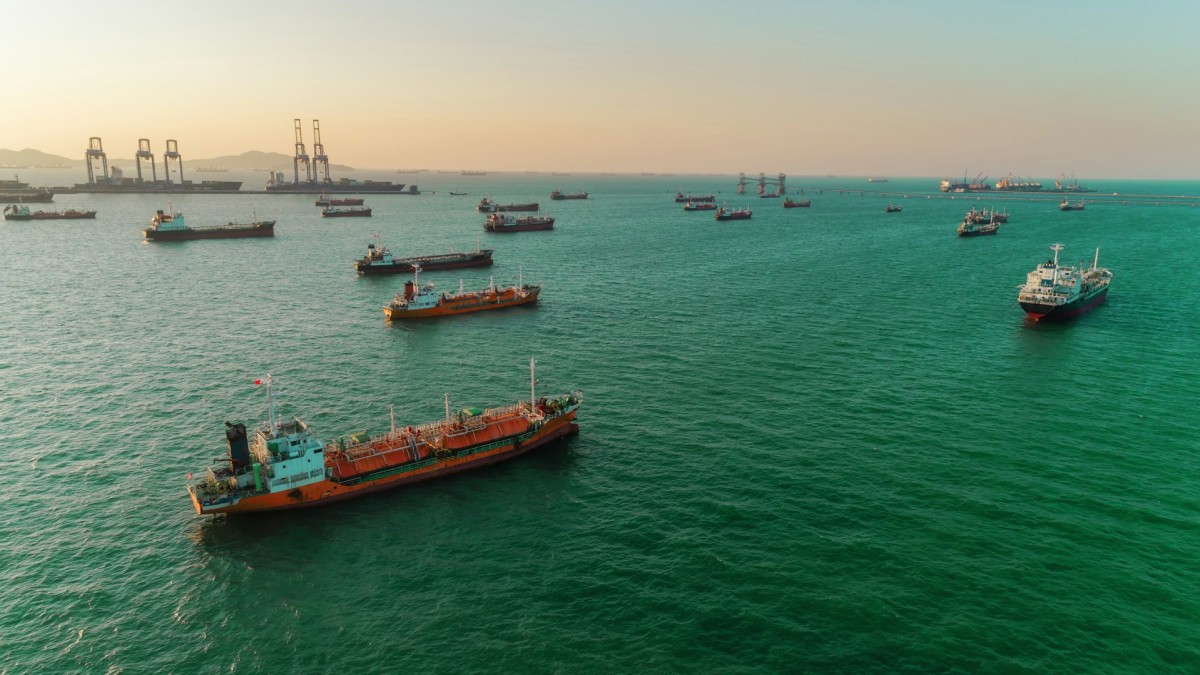
The global liquefied natural gas (LNG) shipping sector is undergoing a transformative period, marked by an unprecedented surge in new carrier deliveries that promises to reshape global energy logistics. This expansion, driven by a confluence of factors including new U.S. export projects and the imperative to modernize aging fleets, signals a substantial injection of capacity into the market. Investors in the energy infrastructure space must grasp the implications of this build-out, navigating both the immense opportunities and the inherent geopolitical complexities that define today’s dynamic oil and gas landscape.
An Unprecedented Surge in LNG Carrier Capacity
The sheer scale of new vessel construction is remarkable. This year, shipyards are poised to deliver a staggering 100 new LNG carriers, a significant increase from the 79 vessels delivered in the previous year. This robust order book is set to continue, with analysts from Poten & Partners and Drewry projecting a record 90 to 100 LNGCs to be delivered in 2026. This aggressive expansion is already evident in the ordering pace: the first quarter alone saw South Korean and Chinese shipyards secure contracts for 35 new LNG carrier builds, nearly matching the total of 37 LNGCs contracted throughout all of last year. Considering the current global fleet comprises approximately 700 vessels, this influx of new, often larger and more efficient, carriers represents a substantial injection of new capacity. While the raw vessel count increases by roughly 14% this year, the operational efficiency and greater cargo volumes of these next-generation ships are poised to boost overall global LNG shipping capabilities by an estimated 27% over the coming period, profoundly altering the dynamics of international natural gas trade.
Geopolitical Crosscurrents and Project Delays
Despite the bullish outlook for new vessel deliveries, the sector is not immune to geopolitical headwinds. The ongoing conflict in the Middle East, for instance, has introduced significant uncertainties, particularly impacting major expansion projects. Qatar, a pivotal player in the global LNG market, has faced delays in its export expansion schedule, reportedly due to damage sustained from missile strikes. This has a direct ripple effect on shipping demand, as many of the new builds were specifically earmarked to serve these massive projects. Qatar had planned to add up to 80 new carriers over the next four years, while ADNOC (Abu Dhabi National Oil Company) aimed to double its LNG vessel fleet to 18 within 36 months. As Fraser Carson, principal analyst, global LNG at Wood Mackenzie, highlighted, “Most of these new build vessels were earmarked to serve under-construction LNG projects that are now facing delays.” This situation directly addresses investor concerns about supply-side stability and geopolitical risk, echoing questions we observe from our readers regarding over-production by certain OPEC+ members and the overall impact of regional conflicts on global energy supply chains. Such delays can shift the timing of demand for these new carriers, creating temporary oversupply in certain segments of the shipping market.
U.S. LNG Exports: A Crucial Demand Catalyst Amidst Market Volatility
While Middle Eastern project delays present challenges, the robust expansion of U.S. LNG export capacity serves as a powerful counter-narrative, driving sustained demand for new carriers. New U.S. projects are scheduled to come online in the coming years, creating a strong requirement for a modern, efficient shipping fleet to transport liquefied natural gas to global markets, particularly Europe and Asia. This ongoing build-out underscores the strategic shift in global energy flows, with North America increasingly positioned as a vital LNG supplier. As of today, the broader energy market reflects significant underlying tensions; Brent crude trades at $111.78, marking a 1.25% increase and demonstrating the persistent supply-side concerns that permeate the entire energy complex. This sustained upward trajectory, with Brent having risen over $12.34 in the last 14 days, provides a backdrop of elevated energy prices, which, while indicating demand, also highlight the volatile environment in which these massive LNG infrastructure investments are being made. Investors are keenly watching these price movements, reflected in frequent reader questions about weekly crude oil trends and base-case Brent price forecasts for the next quarter, as they directly influence the profitability and long-term viability of new export projects and, by extension, the demand for shipping capacity. Jotaro Tamura, chief executive of Japan’s Mitsui O.S.K. Lines, the world’s largest owner of LNG vessels, affirms the critical role of these U.S. projects in generating demand for his company’s growing fleet.
Forward Outlook and Investment Implications
For investors, the current landscape in LNG shipping presents a complex but potentially rewarding picture. The drive for new, more efficient vessels is not merely about increasing capacity; it’s also about fleet modernization. Owners, shippers, and traders are actively seeking newer vessels to replace aging ships, many of which are becoming less competitive in terms of fuel efficiency and environmental compliance. This dual demand for expansion and replacement ensures a baseline level of shipyard activity. Looking ahead, investors will be closely monitoring key data releases that provide broader context for energy demand and supply. The upcoming EIA Short-Term Energy Outlook on May 2nd, followed by the IEA Oil Market Report on May 12th, will offer crucial insights into global energy balances and demand projections. These reports, alongside the regular Baker Hughes Rig Count updates (May 1st and May 8th) and EIA Weekly Petroleum Status Reports (May 6th and May 13th), will shape expectations for energy prices and, consequently, the long-term demand for LNG and the carriers that transport it. Sustained strong global demand for natural gas, particularly from energy-hungry regions, could accelerate the need for these new, efficient vessels, solidifying the current surge in orders as a strategic imperative for global energy security and a fertile ground for savvy investment.


