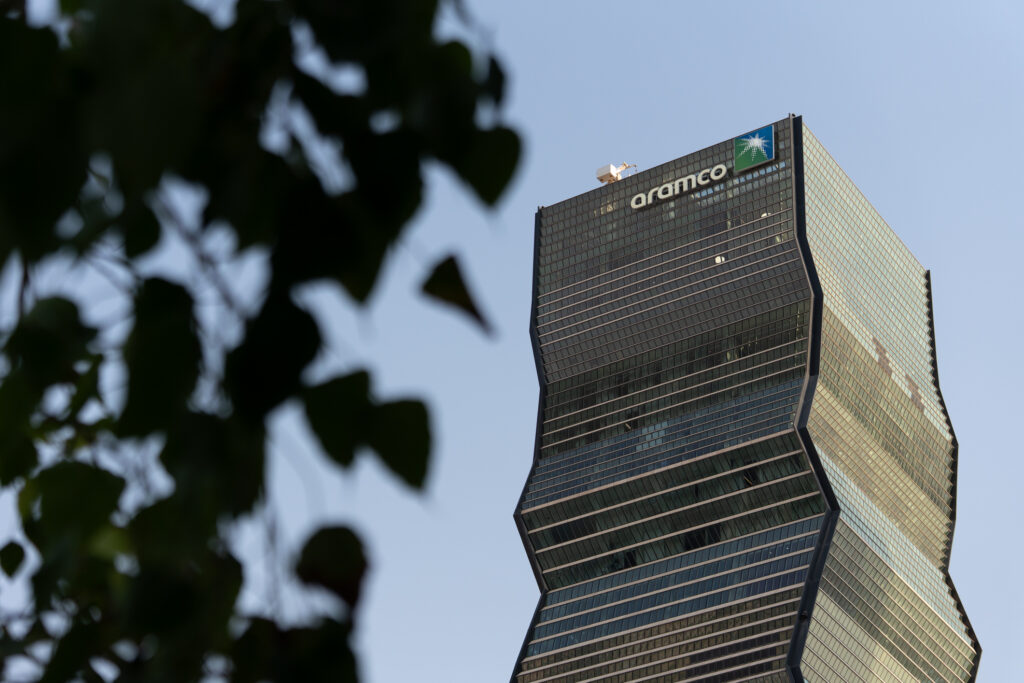
The global energy market is once again navigating heightened uncertainty following reports of damage at the SATORP refinery in Saudi Arabia, a critical joint venture between Saudi Aramco and TotalEnergies. This incident, occurring overnight between April 7th and 8th, has led to the precautionary shutdown of one of the facility’s two processing trains. While no casualties were reported, the disruption immediately signals potential implications for regional product supply and adds another layer of complexity to an already volatile geopolitical landscape. For investors tracking the downstream sector and broader crude markets, understanding the ripple effects of this localized event is paramount, especially as the extent of the damage and the timeline for a full restart remain under assessment by the operating partners.
SATORP Outage: A Critical Supply Point Under Scrutiny
The SATORP facility, formally the Saudi Aramco TotalEnergies Refining and Petrochemical Company, represents a significant pillar in Saudi Arabia’s refining capabilities. With Saudi Aramco holding a 62.5% majority stake and TotalEnergies owning 37.5%, the joint venture is a key player in converting crude into refined products for both domestic consumption and export. The recent incident, linked to ongoing regional tensions, specifically impacted the refinery’s operational capacity, forcing one of its two processing trains offline. This immediate curtailment of refining output underscores the vulnerability of critical energy infrastructure to geopolitical events. An extensive assessment is currently underway to determine the full scope of the damage and to establish a definitive timeline for the affected unit’s return to service. Until this clarity emerges, the market will factor in a degree of supply risk, particularly for refined products in the region, which could see price volatility depending on the duration of the outage and the availability of alternative supplies.
Market Dynamics React to Geopolitical Tensions and Supply Concerns
Today’s market snapshot reflects the immediate impact of such geopolitical flashpoints on energy prices. As of today, Brent Crude is trading at $95.26 per barrel, marking a significant 5.4% increase, with WTI Crude also climbing to $87.26, up 5.65%. These upward movements come after a period where Brent had trended downwards, from $112.78 on March 30th to $90.38 on April 17th, illustrating the sharp reversal driven by recent developments. Gasoline prices are also feeling the pressure, currently at $3.04, up 3.75% within the day. This surge highlights how quickly market sentiment can shift in response to supply disruptions, even those with initially undefined durations. The SATORP incident, coupled with broader Middle East conflict concerns, is clearly acting as a bullish catalyst, driving a sharp rebound from recent lows and underscoring the market’s sensitivity to refinery outages that could tighten product supply, especially in a region as strategically vital as the Middle East.
Addressing Investor Concerns Amidst Volatility and Uncertainty
Our proprietary investor intent data reveals a heightened level of anxiety and strategic questioning among market participants this week. Investors are actively asking “Is WTI going up or down?” and pondering “what do you predict the price of oil per barrel will be by end of 2026?” These questions perfectly encapsulate the immediate and long-term uncertainty created by events like the SATORP incident. A major refinery disruption, even if temporary, injects considerable volatility into the market, making short-term price predictions challenging. For the longer term, should such incidents become more frequent or prolonged due to escalating conflicts, the sustained pressure on refining capacity could lead to a structural shift in product availability and pricing. Investors are not just reacting to prices; they are seeking to understand the underlying drivers and the potential for shifts in supply-demand fundamentals that could impact their portfolio strategies for the remainder of the year and beyond. The SATORP situation adds a concrete example of the geopolitical risks that can derail even the most carefully constructed market forecasts.
Upcoming Events to Watch: OPEC+, Inventories, and Rig Counts
The impact of the SATORP refinery incident will unfold against a backdrop of several critical upcoming energy events, which investors should monitor closely. The OPEC+ Joint Ministerial Monitoring Committee (JMMC) meeting on April 20th, followed by the full OPEC+ Ministerial Meeting on April 25th, will be paramount. With a key refinery partially offline and global geopolitical tensions running high, any decisions regarding crude production levels will be scrutinized for their potential to either exacerbate or alleviate market tightness. Additionally, the API Weekly Crude Inventory reports on April 21st and April 28th, along with the EIA Weekly Petroleum Status Reports on April 22nd and April 29th, will provide crucial insights into U.S. crude and product stockpiles. A significant refinery outage in the Middle East could indirectly affect global inventory balances, particularly for refined products, potentially leading to higher import demand from other regions. Finally, the Baker Hughes Rig Count on April 24th and May 1st will offer a pulse on upstream activity, which, while not directly related to the SATORP incident, provides a broader context on future supply potential in a market sensitive to any form of disruption. The interplay of these scheduled events with the ongoing refinery assessment will dictate crude and product price trajectories in the coming weeks.