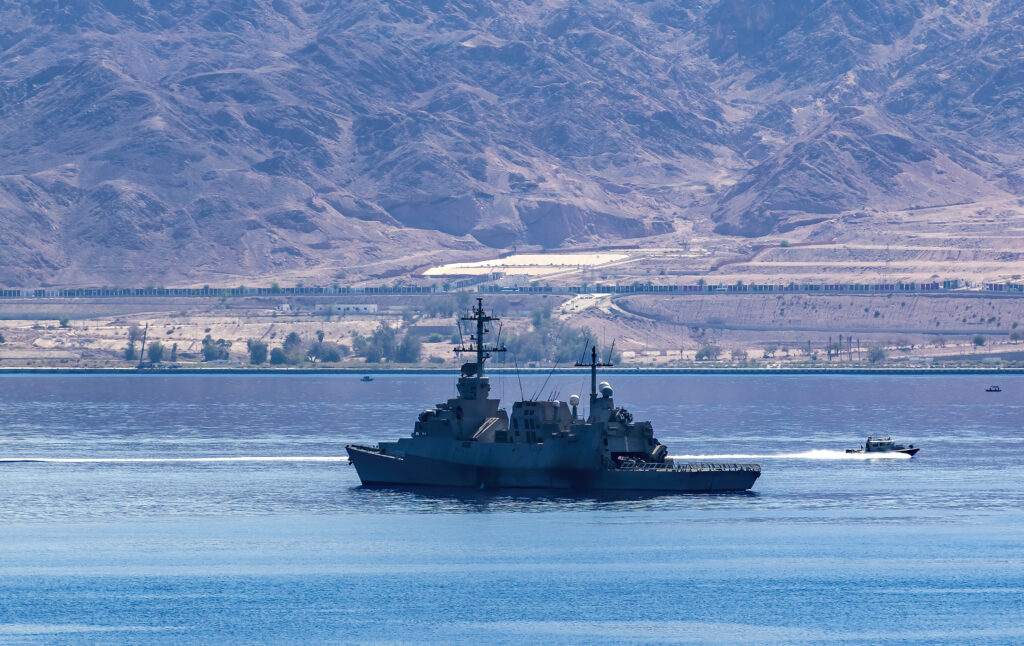
The recent U.S.-Iran ceasefire has introduced a complex layer of uncertainty and potential relief into global oil markets, particularly concerning transit through the Strait of Hormuz. For investors in the energy sector, understanding the nuanced implications of this agreement is paramount. While a de-escalation of tensions typically signals a reduction in geopolitical risk premiums, the reality on the ground, particularly for maritime operators, suggests a far more cautious approach is warranted. This analysis delves into the immediate aftermath of the ceasefire, the persistent challenges for shipping, and the critical data points investors should monitor as the market seeks clarity on this vital chokepoint.
Hormuz: The Critical Chokepoint and Lingering Uncertainty
The Strait of Hormuz stands as an indispensable artery for global energy trade, facilitating the passage of approximately 20% of the world’s total oil and liquefied natural gas (LNG) shipments. For the past six weeks, escalating conflict brought traffic through this strategic waterway to a near standstill, directly contributing to significant upward pressure on international energy prices. With a ceasefire now declared, the expectation of immediate relief might seem logical. However, Iran’s dual messaging—offering safe passage while simultaneously issuing stern warnings that any vessel attempting transit without permission would be “targeted and destroyed”—has effectively maintained a high level of ambiguity. This contradictory stance leaves major shipping companies in a precarious position, demanding explicit, verifiable terms before committing to full-scale operations. As of Tuesday, proprietary ship tracking data indicated a substantial backlog: 187 laden tankers, collectively carrying an estimated 172 million barrels of crude oil and refined products, remained anchored within the Gulf, awaiting clear passage. This massive volume represents a critical supply bottleneck that needs swift resolution to truly normalize market conditions.
Market Reaction and Shipping Industry Caution
Despite the ceasefire, the global oil market’s immediate response reflects a persistent undertone of caution. As of today, Brent Crude trades at $93.79 per barrel, a modest gain of 0.59% within a day range of $91.39 to $94.86. WTI Crude shows similar movement at $89.80, up 0.14% after trading between $87.64 and $91.41. This stability, rather than a significant price drop, suggests that while some immediate risk premium may have dissipated, the market remains wary. Indeed, our 14-day Brent trend analysis reveals a decline from $101.16 on April 1st to $94.09 on April 21st, indicating that a substantial portion of the geopolitical risk had already been priced out *before* the ceasefire announcement. The current marginal uptick or flat trading reflects the ongoing uncertainty regarding actual transit conditions. Major shipping enterprises, including Denmark’s Maersk and Germany’s Hapag-Lloyd, have voiced their need for concrete assurances, reiterating that while the ceasefire opens potential transit windows, it falls short of providing full maritime certainty. Hapag-Lloyd’s CEO, Rolf Habben Jansen, estimates a six-to-eight-week timeline for restoring normal flows, emphasizing the need for the ceasefire to demonstrably hold before resuming orders for specific markets. Lars Barstad, CEO of oil tanker group Frontline, echoed this sentiment, stating a desire to “see the fine print” of the agreement. Such industry caution is a direct signal to investors that the path to full market normalization will be gradual and contingent on sustained de-escalation.
Investor Questions and the Path to Normalization
The underlying sentiment from our readership this week clearly indicates a desire for clarity on market direction, with queries like “is WTI going up or down?” and predictions for year-end oil prices. This reflects a broader investor challenge in discerning short-term volatility from long-term trends, especially in the wake of such a significant geopolitical event. The key to answering these questions lies in the pace of normalization in the Strait of Hormuz. Initial proprietary data indicates an uptick in interest from Asian refiners for Gulf cargoes, with major players like Trafigura and TotalEnergies reportedly exploring loading opportunities. This heightened interest suggests a readiness to re-engage once conditions are unequivocally safe. However, the estimated six-to-eight-week period for restoring normal shipping flows suggests that the market will not see an immediate flood of the currently stranded 172 million barrels. This gradual release could prevent a sharp depressive effect on prices, instead fostering a more controlled, albeit slower, rebalancing. Investors should therefore anticipate a period of sustained volatility as market participants weigh the potential for increased supply against ongoing logistical and security concerns. The short-term price trajectory for WTI and Brent will heavily depend on daily developments regarding vessel transit and the explicit terms enforced by Iranian authorities. A swift and verifiable return to safe passage would likely exert downward pressure on prices, while continued ambiguity or renewed warnings could quickly reignite upward pressure, maintaining a geopolitical risk premium through the second quarter.
Forward Outlook and Key Data Points for Investors
As the market navigates this period of cautious optimism, investors must closely monitor several upcoming energy events that will provide crucial indicators for the global supply-demand balance and, consequently, oil prices. The EIA Weekly Petroleum Status Report, scheduled for release on April 22nd, April 29th, and May 6th, will offer vital insights into U.S. crude oil inventories, refining activity, and product demand. These reports are particularly pertinent now, as any significant build or draw in inventories will be magnified by the ongoing uncertainty around Hormuz flows. Complementing these are the API Weekly Crude Inventory reports on April 28th and May 5th, which provide an early look at inventory trends. Furthermore, the Baker Hughes Rig Count, due on April 24th and May 1st, will shed light on North American drilling activity, offering a glimpse into future production capacity. Beyond weekly fluctuations, the EIA Short-Term Energy Outlook, set for May 2nd, will deliver a more comprehensive forecast, incorporating the latest geopolitical developments and their projected impact on global supply and demand through the end of 2026. For investors seeking to predict the price of oil per barrel by year-end 2026, the successful and sustained resolution of the Hormuz situation, coupled with these fundamental supply and demand indicators, will be paramount. Any renewed disruption or a prolonged period of caution from shippers would necessitate a significant recalibration of price forecasts, potentially sustaining higher risk premiums throughout the year.