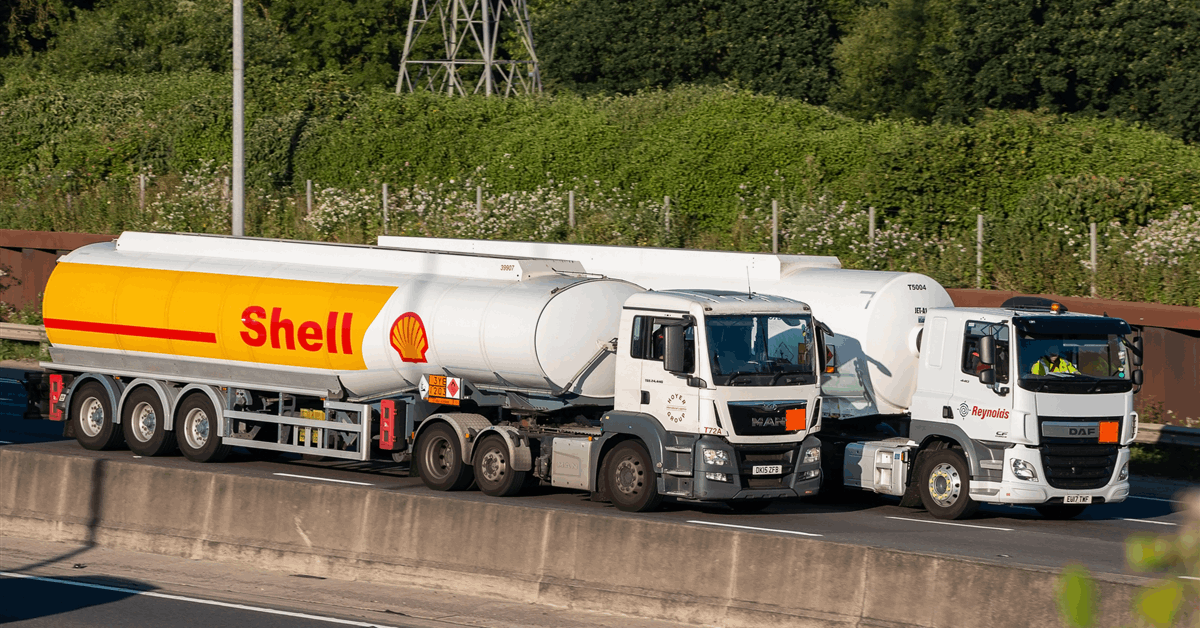
Shell PLC’s latest operational guidance for the first quarter of 2026 presents a nuanced picture for investors, highlighting the enduring impact of geopolitical instability on gas production while showcasing the robust performance of its refining segment. While the company navigates significant headwinds in its Integrated Gas division, primarily stemming from the escalating Middle East conflict, an anticipated surge in refining margins is poised to provide a crucial buffer to earnings. This duality underscores Shell’s diversified asset base but also emphasizes the growing volatility inherent in global energy markets.
Geopolitical Headwinds Impacting Integrated Gas Production
The conflict in the Middle East has cast a long shadow over Shell’s Integrated Gas segment, with significant repercussions for its Qatari operations. The company anticipates a notable reduction in its Integrated Gas production for Q1 2026, forecasting volumes to land between 880,000 and 920,000 barrels of oil equivalent per day (boed). This marks a clear decline from the 948,000 boed recorded in the preceding fourth quarter of 2025. A primary driver of this reduction is the damage sustained at Shell’s Pearl gas-to-liquids (GTL) facility in Ras Laffan, Qatar, following an attack. The Pearl facility, a cornerstone of Shell’s GTL operations and the world’s largest of its kind, has a substantial capacity of 140,000 boed of GTLs. Shell has made an initial assessment that full repairs to the affected train could take approximately one year, signaling a prolonged period of reduced output from this key asset.
Further exacerbating the situation, Qatar’s state-owned QatarEnergy declared force majeure on LNG and other product deliveries earlier this year due to military actions targeting energy infrastructure. While Shell’s 30% stake in QatarEnergy LNG N(4) facilities was not directly hit in the March 18th attacks, the force majeure declaration alone implies a production loss of 2.4 million metric tons per annum for Shell from this venture. Investors must factor in the extended timeline for full regional recovery, with QatarEnergy estimating up to five years for damage repairs from the March 18th incidents, potentially incurring around $20 billion annually in lost revenue across the broader Qatari energy landscape. These developments underscore the heightened risk associated with energy investments in politically sensitive regions.
Refining Sector Provides a Critical Earnings Buffer
In contrast to the challenges faced by its gas operations, Shell’s refining segment is poised for a strong performance. The company projects its refining margins to increase significantly to $17 per barrel in Q1 2026, a substantial rise from the $14 per barrel achieved in the prior three-month period. This improvement comes amid an elevated crude oil price environment, which, while subject to daily fluctuations, generally supports robust refining profitability. As of today, Brent crude trades at $93.92 per barrel, marking a 0.73% increase on the day, with a daily range between $91.39 and $94.86. Similarly, WTI crude is at $89.96 per barrel, up 0.32% within a range of $87.64 to $91.41. While Brent has seen a 7% decline over the past 14 days, from $101.16 to $94.09, the current price levels remain historically strong and are conducive to healthy margins for refiners. Furthermore, the stability in gasoline prices, currently at $3.13 per gallon, also contributes positively to the refining outlook, suggesting sustained demand for refined products despite broader market volatility.
Navigating LNG Dynamics and Investor Sentiment
Despite the setbacks in Qatari gas production, Shell’s overall LNG output for January-March 2026 could still surprise to the upside, potentially exceeding the volumes from the previous quarter. The company forecasts LNG production of 7.6-8 million metric tons, compared to 7.8 million metric tons in Q4 2025. This resilience is primarily attributed to the ongoing ramp-up of the LNG Canada project, which is strategically offsetting production constraints elsewhere, including those from Australian weather-related issues and the aforementioned Qatari disruptions. This diversified approach to LNG supply is a key factor for investors to consider.
Our proprietary investor intent data reveals that many of our readers are actively seeking clarity on the trajectory of crude oil prices, with common queries like “is WTI going up or down?” and “what do you predict the price of oil per barrel will be by end of 2026?” Shell’s performance, particularly its refining segment, remains highly sensitive to these broader market movements. While the immediate outlook for gas is challenged by geopolitical events, the long-term investment thesis for Shell in LNG is bolstered by new project completions like LNG Canada, addressing global demand for energy security and the transition away from higher-carbon fuels. This strategic diversification helps mitigate some of the specific risks in its integrated gas segment.
Upcoming Market Catalysts and Forward-Looking Analysis
For Shell investors, monitoring key upcoming market events will be crucial in assessing the broader energy landscape and its potential impact on the company’s performance. The next two weeks are packed with significant data releases that could influence crude oil prices and investor sentiment. The EIA Weekly Petroleum Status Reports, scheduled for April 22nd, April 29th, and May 6th, will provide critical insights into U.S. crude oil, gasoline, and distillate inventories, directly impacting supply-demand perceptions. Similarly, the Baker Hughes Rig Count, due on April 24th and May 1st, will offer an indication of North American drilling activity and future production trends.
Furthermore, the EIA Short-Term Energy Outlook, slated for May 2nd, will be particularly influential. This report provides updated forecasts for global energy markets, including oil, natural gas, and refined products, offering a macro perspective that can shape investor strategies for integrated energy majors like Shell. These events, coupled with the ongoing geopolitical developments in the Middle East and the operational updates from projects like LNG Canada, will provide the necessary context for investors to evaluate Shell’s resilience and strategic positioning in an increasingly complex and volatile global energy market.


