India’s Piped Gas Network Sees Explosive Growth, Reshaping Energy Landscape
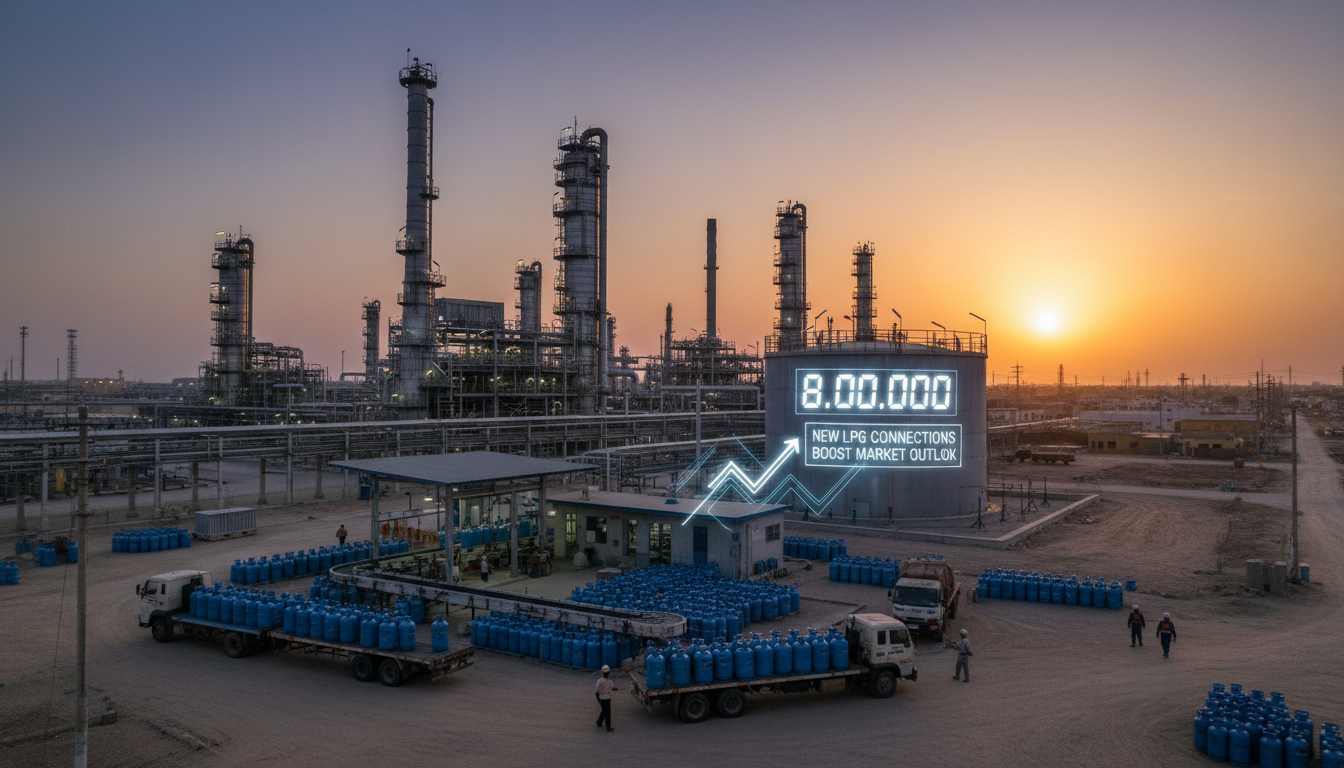
India’s domestic energy market is experiencing a significant transformation, driven by an aggressive push towards expanding its piped natural gas (PNG) infrastructure. Over the past month alone, the nation witnessed a remarkable surge, adding nearly 800,000 new PNG consumers. This rapid expansion underscores a strategic government initiative, actively supported by leading gas companies, to reduce the country’s longstanding reliance on conventional liquefied petroleum gas (LPG) cylinders and enhance energy security for its vast population.
This substantial increase in household and commercial gas connections represents a pivotal shift in India’s energy consumption patterns. Approximately half of these new connections are already operational, delivering natural gas directly to consumers, while the remaining connections are rapidly progressing through the activation pipeline. This robust development not only signifies a leap forward in modernizing urban and semi-urban energy access but also presents compelling opportunities for investors tracking the dynamic growth in India’s energy distribution sector.
Strategic Shift Away from LPG Cylinders
The push for piped gas is intrinsically linked to a broader government strategy to optimize the nation’s energy supply chain and alleviate pressure on the traditional LPG delivery system. In a notable development, over 16,000 LPG connections have been voluntarily surrendered by consumers who have transitioned to PNG. This trend, actively encouraged by authorities through dedicated online portals and a ‘hall of fame’ recognizing compliant consumers, directly contributes to streamlining LPG distribution for those without access to the burgeoning piped network.
Despite the strategic pivot, the supply of LPG cylinders remains robust and well-managed. Top officials confirm consistent delivery of approximately 5 million cylinders monthly, ensuring full domestic demand satisfaction and covering up to 80% of commercial requirements. This proactive management mitigates any concerns regarding potential supply shortages, providing a stable energy backdrop while the PNG network continues its impressive expansion trajectory. For investors, this dual-pronged approach signals a carefully orchestrated energy transition, minimizing market disruptions while fostering long-term growth in both gas and LPG sectors.
Fortifying India’s Energy Security and Supply Chain
Amidst ongoing global geopolitical uncertainties, India has demonstrated remarkable resilience in safeguarding its energy supplies. Government statements affirm ample reserves of crude oil, various petroleum products, and cooking gas, with continuous replenishment through strategic procurement and diversified import channels. This proactive stance ensures the nation’s energy needs are met consistently, even as global commodity markets face volatility.
Authorities emphasize that the supply chain has performed exceptionally well over the recent period, with meticulous efforts to secure new supply agreements and import resources from diverse international partners as required. This focus on supply chain robustness and diversification is a critical component of India’s energy independence strategy, offering stability for industries and consumers alike. Investors observing India’s energy landscape should note this emphasis on securing diverse sources, which inherently de-risks the nation’s energy future and supports sustained economic growth.
Digitalization and Alternative Energy Adoption Gain Momentum
Beyond infrastructure expansion, India’s energy sector is embracing digitalization and promoting alternative energy sources. Online bookings for LPG cylinders have soared, now accounting for 95% of all reservations. Furthermore, the implementation of authentication code-based deliveries has dramatically improved efficiency and prevented diversion at the distributor level, rising from 53% in February to an impressive 90% currently. This digital transformation not only enhances consumer convenience but also significantly improves the transparency and accountability of the distribution network, offering greater efficiency and cost savings.
Concurrently, the government actively advocates for the adoption of alternative energy solutions, encouraging the use of induction cooktops and electric cooking appliances wherever feasible. This broader energy diversification strategy aims to reduce overall fossil fuel dependency and promote cleaner energy options. For segments of the population without fixed LPG connections, particularly migrant workers, the availability of portable 5kg cylinders has proven invaluable. Since March 23rd, oil companies have distributed approximately 660,000 of these smaller cylinders, including 90,000 on a single recent Saturday, marking a substantial increase from the pre-conflict daily average of 70,000-75,000 units. This rapid mobilization demonstrates agility in meeting diverse energy needs across the population.
Enhancing Industrial Supply Amidst Global Headwinds
The government’s multifaceted initiatives are also expected to yield positive impacts on industrial sectors, particularly those that faced raw material shortages due to disruptions stemming from geopolitical conflicts in West Asia. Industries ranging from packaging units to pharmaceuticals previously experienced significant hurdles in securing essential supplies. By stabilizing and diversifying energy inputs, and improving overall logistics, these recent policy measures aim to ensure a smoother flow of critical raw materials, fostering greater operational stability and productivity for Indian enterprises.
This holistic approach to energy management—encompassing rapid piped gas deployment, efficient LPG distribution, robust supply chain security, digitalization, and support for alternative energy—positions India as a resilient and forward-thinking energy market. For global investors, these developments underscore a powerful narrative of growth, modernization, and strategic resilience within one of the world’s most dynamic energy consumption markets. The continued expansion of gas infrastructure, coupled with enhanced operational efficiencies, promises a compelling outlook for companies operating within India’s vast and evolving oil and gas sector.


