Oil Prices Surge Near Record Highs as Geopolitical Tensions Escalate
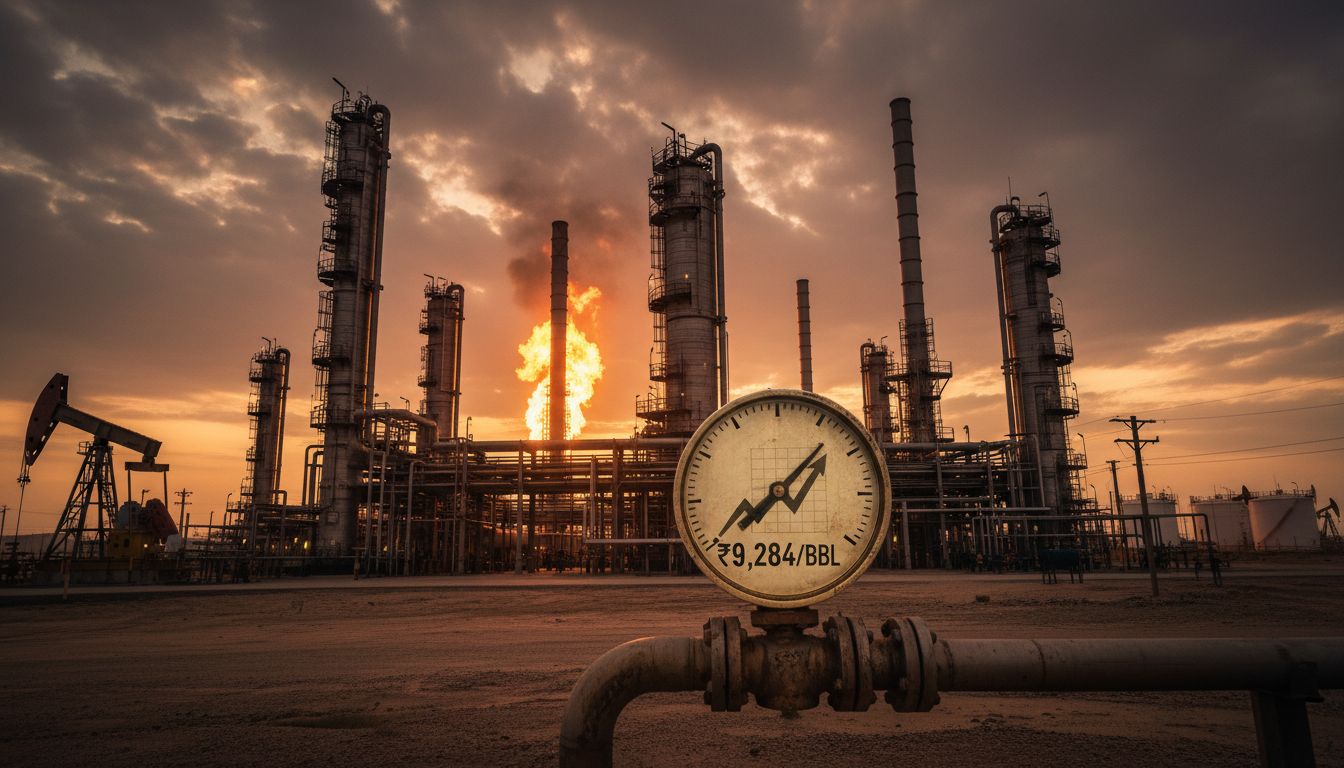
Investors are witnessing a dramatic surge in crude oil prices, with futures contracts posting significant gains in Monday’s trading session. Benchmark crude oil futures advanced by a substantial ₹91, pushing prices to ₹9,284 per barrel. This ascent places oil markets squarely at the precipice of their all-time high, previously established at ₹9,407 per barrel on March 23, 2026. The driving force behind this latest rally is a potent blend of escalating geopolitical tensions and critical supply chain vulnerabilities that continue to plague global energy flows, compelling a re-evaluation of energy investment strategies.
The immediate catalyst for Monday’s price jump stemmed directly from renewed, stern warnings issued by US President Donald Trump. He explicitly threatened military intervention targeting Iran’s power generation facilities and other strategic infrastructure should the vital Strait of Hormuz remain inaccessible. This declaration arrived as the Strait of Hormuz endures its sixth consecutive week of closure, effectively choking off a crucial artery for international energy shipments. Such prolonged disruption sends shockwaves through the market, fundamentally altering supply-demand dynamics for crude oil, natural gas, and various refined products globally.
The Strait of Hormuz: A Critical Chokepoint and Supply Squeeze
The continued closure of the Strait of Hormuz represents a profound challenge for global energy security and supply chains. As a gateway for a significant portion of the world’s seaborne oil trade, its inaccessibility for over a month has created an unprecedented bottleneck. Kaveri More, a prominent Commodity Analyst, emphasized that the intensified geopolitical friction, exacerbated by President Trump’s recent statements and the sustained closure of the Strait, is directly responsible for disrupting global energy flows. This has led to a palpable tightening of supply conditions across the board, providing robust support for the upward trajectory of oil prices. The sheer volume of energy commodities typically transiting through the Strait of Hormuz underscores the severity of this ongoing impediment to global trade, impacting not just crude but also natural gas and refined product movements.
Global Market Response: Divergent Trends in International Benchmarks
While domestic futures markets reflected a clear upward trend, international benchmarks presented a more nuanced picture on Monday. West Texas Intermediate (WTI) crude futures, specifically for the May contract, experienced a modest decline of 0.48 percent, settling at $111 per barrel. This slight pullback for WTI suggests some localized demand pressures or profit-taking within the North American market. In contrast, Brent crude oil for June delivery demonstrated strong resilience, climbing 1.3 percent to reach $110.43 per barrel. This divergence highlights varying investor sentiment and potentially differing regional supply-demand balances between the two major global oil benchmarks, though both remain highly sensitive to overarching geopolitical flashpoints and broader market narratives affecting global oil supply.
OPEC+ Efforts Amidst Persistent Supply Headwinds
Adding another layer of complexity to the supply narrative, the OPEC+ alliance has announced intentions to boost its collective output by 206,000 barrels per day in May. However, this planned increase is met with considerable skepticism from market participants and analysts alike. Concerns are mounting over the practical feasibility of delivering this additional crude to global markets, especially given widespread damage to critical energy infrastructure and persistent conflicts in key production regions. The ability of OPEC+ members to fully execute their stated production targets remains a significant question mark, potentially limiting the impact of any theoretical supply increases on actual market availability and exacerbating global energy supply anxieties.
Furthermore, recent production data reinforces existing supply constraints, casting a shadow over the effectiveness of any planned increments. OPEC’s own output registered a sharp decline in March, primarily attributed to forced export cuts stemming from ongoing operational challenges and political pressures within certain member states. Simultaneously, the United States, a pivotal global producer, also experienced a noticeable reduction in its crude output earlier this year. This decline was largely a consequence of severe winter storms that disrupted drilling operations and logistical networks, further exacerbating the global supply deficit. These compounding factors mean the oil and gas market is already operating on tighter margins before factoring in the full implications of the Hormuz situation.
Analyst Projections: Brent Crude Targeting $130 Per Barrel?
Looking ahead, energy market experts are projecting continued upward pressure on prices, particularly for the international benchmark. Dhaval Popat, an Energy Analyst, pointed out a critical shift in market dynamics: the physical tightness previously concentrated in Southeast Asian markets is now gradually migrating westward. This geographical shift in supply constraints could act as a potent catalyst, potentially propelling Brent crude prices toward an ambitious target of $130 per barrel in the coming weeks. Such a move would represent a substantial gain for investors holding positions in this benchmark, reflecting a deep-seated concern over global crude availability and the ongoing impact on oil and gas investing.
Popat further elaborated on the gravity of the situation surrounding the Strait of Hormuz. He warned that if the status quo persists, without any meaningful progress in negotiations involving the US, Israel, and Iran, the oil market could face a dramatic squeeze. A scenario characterized by declining floating inventories and increasingly tight marginal storage capacity would likely trigger a sharp and aggressive increase in crude oil prices. This would not be a fleeting spike but could lead to a sustained period of elevated prices throughout the month of April. Investors should therefore brace for potential continued volatility and upward price momentum driven by these critical geopolitical and logistical factors impacting the global energy market.
Navigating the Investment Landscape Amidst Unprecedented Volatility
In conclusion, the confluence of aggressive geopolitical posturing, prolonged shipping disruptions through a critical chokepoint, and an already constrained global supply landscape paints a distinctly bullish picture for crude oil prices. While OPEC+ aims to provide more supply, the practical challenges to deliver it, coupled with recent production shortfalls, suggest fundamental market tightness will persist. Investors must closely monitor developments in the Middle East and the Strait of Hormuz, as these will undeniably dictate the trajectory of energy commodity valuations in the near term and beyond. The current environment demands a vigilant and informed approach to oil and gas investing, recognizing the outsized influence of non-economic factors on market direction and the potential for continued volatility in the global energy market.


