Energy markets experienced a significant surge in oil prices on Sunday, as escalating geopolitical tensions around the vital Strait of Hormuz prompted an immediate investor reaction. U.S. crude oil benchmark, West Texas Intermediate (WTI), climbed a robust 2.35%, reaching $114.16 per barrel by 6:08 p.m. ET. Concurrently, the international bellwether, Brent crude, advanced 1.72%, settling at $110.91 per barrel, reflecting broad market anxiety over global supply stability.
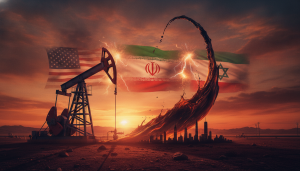
The sharp upward trajectory in crude valuations followed a stark warning issued by President Donald Trump, who gave Iran an ultimatum until Tuesday to cease actions impeding passage through the Strait of Hormuz. In a series of social media communications, President Trump threatened severe military action, including targeting the country’s power plants and critical infrastructure like bridges, should the maritime chokepoint remain restricted. A subsequent, less detailed post simply declared, “Tuesday, 8:00 P.M. Eastern Time!”, amplifying the sense of impending confrontation and uncertainty in the global energy landscape.
The Strait of Hormuz: A Critical Chokepoint Under Siege
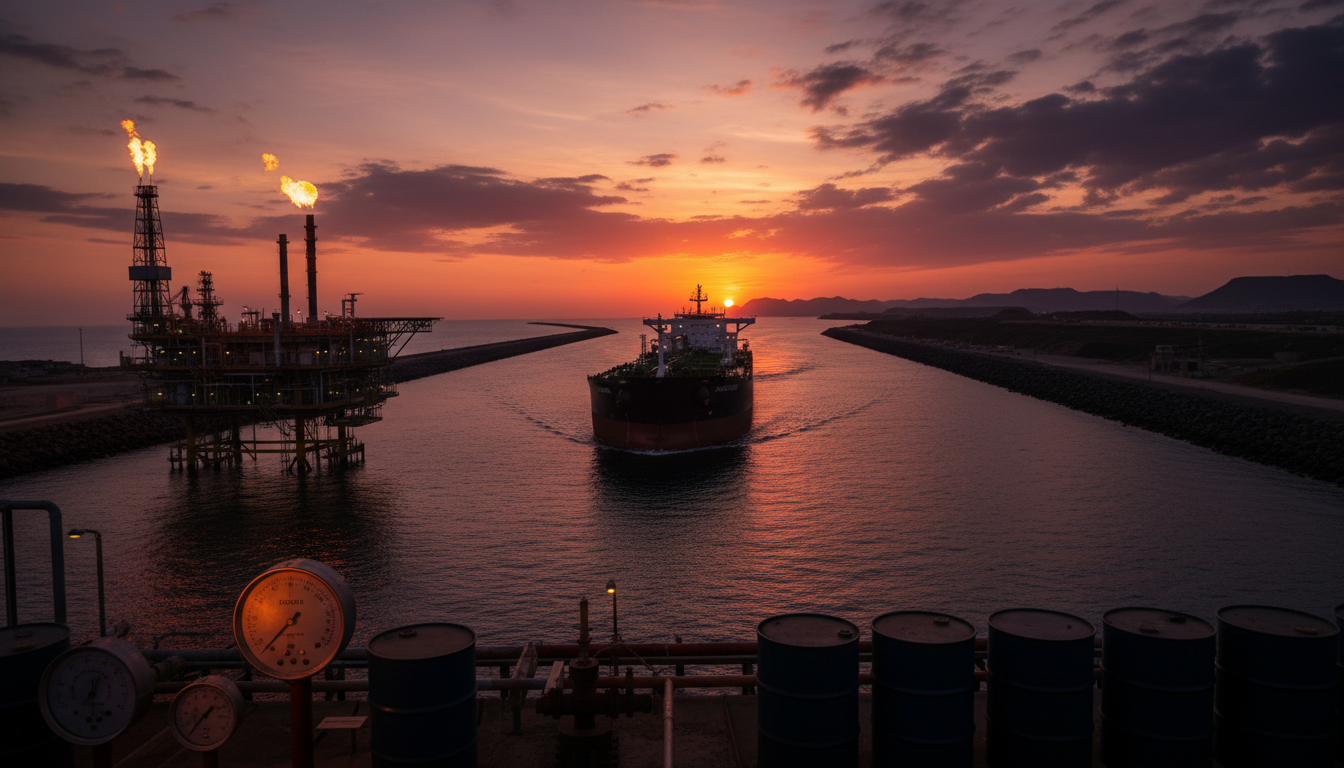
The Strait of Hormuz stands as an indispensable artery for global energy flows, connecting the oil-rich Persian Gulf to the Gulf of Oman and, by extension, to the world’s major shipping lanes. Before the current hostilities, an estimated 20% of the planet’s total oil supplies transited through this narrow waterway. Iran’s persistent actions, including direct attacks on oil tankers, have effectively curtailed navigation, leading to an unprecedented disruption in global energy supply.
This prolonged closure has triggered what many analysts are calling the largest oil supply disruption in history, sending shockwaves across the entire petroleum complex. Prices for not only crude oil but also refined products such as jet fuel, diesel, and gasoline have witnessed substantial increases since the conflict’s inception, directly impacting consumers and industries worldwide. The sustained volatility underscores the fragility of global supply chains when faced with such concentrated geopolitical risk.
Quantifying the Supply Deficit: A Grim Outlook
The duration and intensity of the conflict remain key unknowns, though President Trump indicated in a national address last Wednesday that the hostilities could persist for another two to three weeks. Such a timeline projects a dire scenario for oil inventories and market stability. According to analysis from TD Securities, the global market is on track to lose nearly 1 billion barrels by the close of the month. This colossal deficit is expected to comprise approximately 600 million barrels of crude oil and a further 350 million barrels of refined petroleum products.
Ryan McKay, a senior commodity strategist at TD Securities, emphasized the escalating challenge in a client note, stating, “With the conflict now expected to last at least into deep April, the barrel math becomes increasingly grim.” This sentiment is echoed by other leading energy consultancies. Rapidan Energy, for instance, estimates a total net loss of 630 million barrels of oil and products by the end of June. This projection factors in any redirected flows via alternative pipelines, emergency strategic petroleum reserve releases, and inventory drawdowns, highlighting the severe and sustained nature of the supply crunch.
OPEC+ Response and Operational Hurdles
In response to the tightening global supply, the eight key members of the OPEC+ alliance convened on Sunday, agreeing to boost their collective production by 206,000 barrels per day for May. This concerted effort aims to mitigate some of the supply shock. However, the efficacy of this increase is cast into doubt by the continued closure of the Strait of Hormuz, raising critical questions about how this additional crude will physically reach the global market if transit routes remain compromised.
Further exacerbating the supply outlook, the Kuwait Petroleum Corporation reported on Sunday that several of its operational facilities sustained significant damage following drone attacks. This incident underscores the broader vulnerability of energy infrastructure in the region. The OPEC+ group issued a collective warning that repairing energy assets damaged by attacks is not only “costly” but also “takes a long time,” directly affecting overall supply availability for the foreseeable future. The eight nations participating in this crucial OPEC+ decision include Saudi Arabia, Russia, Iraq, UAE, Kuwait, Kazakhstan, Algeria, and Oman, representing a substantial portion of global oil production capacity.
Investor Implications: Navigating Extreme Volatility
For investors in the oil and gas sector, the current environment presents unprecedented levels of risk and opportunity. The convergence of severe supply disruptions, escalating geopolitical tensions, and the uncertain timeline for conflict resolution creates a highly volatile market. While soaring crude prices offer immediate upside for producers, the broader implications for global economic growth, energy security, and the stability of international trade routes loom large. Investors must carefully weigh the potential for further price spikes against the inherent risks of a prolonged or escalating conflict, which could profoundly reshape the global energy landscape and necessitate a fundamental re-evaluation of energy supply resilience.