

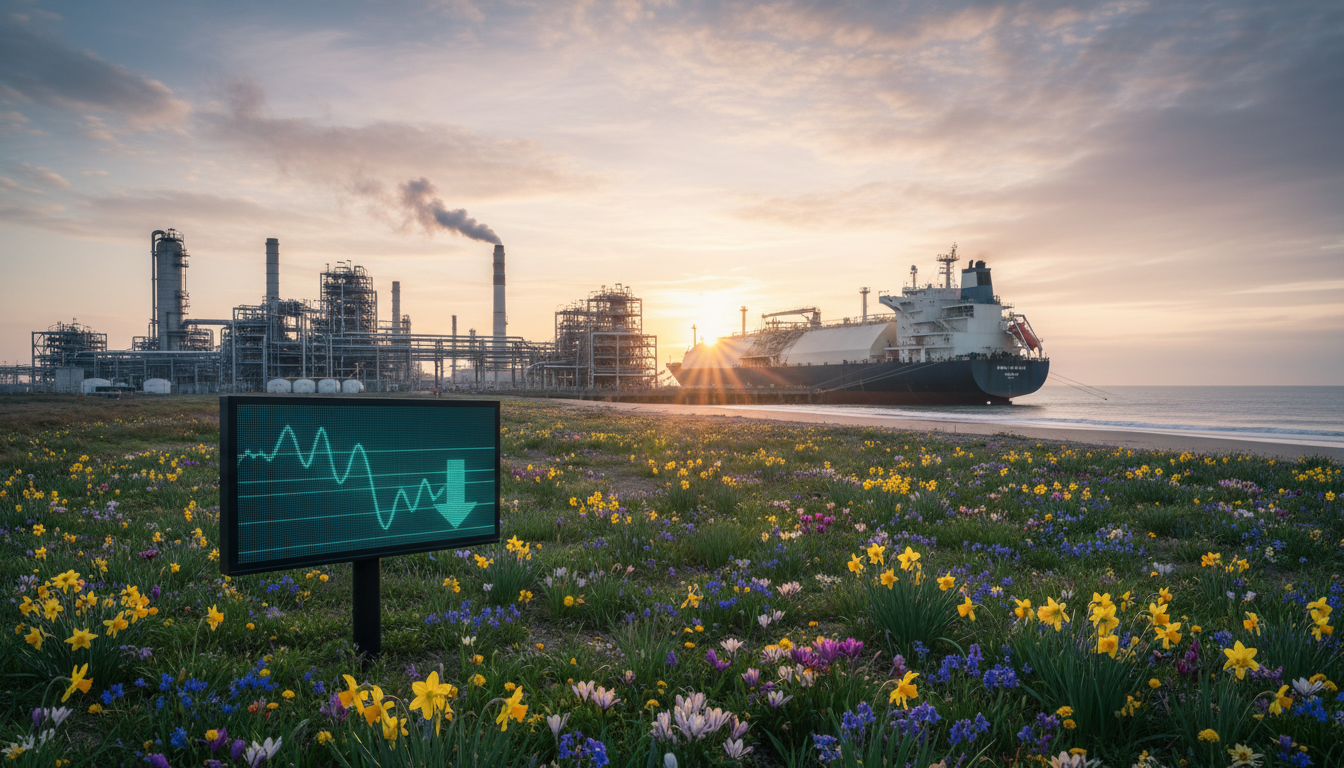
Accelerating Climate Signals Demand Urgent Reassessment for Oil & Gas Investors
As the UK witnesses an unprecedented early spring, characterized by ecological phenomena arriving weeks ahead of historical averages, the implications for global climate policy and energy investment strategies become starkly apparent. The discernible acceleration of natural cycles provides compelling, tangible evidence of a rapidly shifting climate, demanding immediate attention from stakeholders across the oil and gas sector. For astute investors, these environmental shifts are not mere curiosities but critical indicators shaping the future regulatory landscape, market dynamics, and ultimately, the profitability of energy portfolios.
Ecological Benchmarks Shattered: A Clear Signal of Climatic Shift
Across Britain, nature is sending undeniable signals of a profound climatic shift. This year marks a potential record for the earliest spring of the century, with numerous ecological benchmarks being reset. Data from citizen science initiatives, which have meticulously logged seasonal changes since 2000, confirm a consistent pattern of earlier occurrences. For instance, frogspawn laying, blackbird nesting, brimstone butterfly emergence, and hazel flowering are all occurring significantly ahead of their typical schedules. These observations underscore a powerful trend of environmental acceleration directly attributable to global heating.
Specific studies further illustrate the dramatic pace of change. An 80-year study of great tits in Wytham Woods, Oxfordshire, reported the earliest egg-laying on record, observed on March 23rd, surpassing the previous earliest date by three days. Over a longer timeframe, the average egg-laying date for these birds has advanced by a remarkable 16 days since the 1960s. This biological imperative for tits and other species to synchronize their reproductive cycles with the early emergence of caterpillars—their primary food source—highlights the ripple effect of climate change across ecosystems. Similar record-breaking early tit egg-laying has been documented in the Netherlands, providing further evidence of widespread climatic shifts impacting northern Europe.
The pace of change extends beyond avian reproduction. Naturalists are noting exceptionally advanced caterpillar development, with observations of midsummer butterfly species like purple emperors, white admirals, and silver-washed fritillaries at an unusually large size for the season. Historically, these caterpillars would be barely visible at this time of year. Furthermore, the orange-tip butterfly, traditionally a harbinger of true spring, was sighted as early as March 18th this year. This contrasts sharply with records from fifty years ago, when its typical first emergence was around April 16th—a nearly month-long acceleration. Experts are now forecasting that midsummer butterflies could appear as early as May, an occurrence not seen since the unusually hot and dry summer of 1893.
Provisional figures reinforce these trends: average frogspawn laying occurred on February 23rd, significantly earlier than the previous earliest average of March 5th. Blackbirds were actively nesting by March 4th, and hazel trees began flowering on January 14th, predating the previous earliest average of January 22nd in 2024 by eight days. These biological indicators are “turbo-charged” by a relatively warm winter, including one of the wettest Januaries on record in many regions, and Britain’s joint tenth warmest March. While some suggest nature can adapt, and occasional cold spells in March are not unusual, the overriding, consistent trend points to a systemic shift.
Climate Imperatives and Energy Market Transformation
For investors focused on oil and gas, these environmental data points translate directly into an accelerating imperative for climate action. The undeniable evidence of warming trends strengthens the global commitment to decarbonization and the transition away from fossil fuels. Governments and international bodies are under increasing pressure to implement more stringent climate policies, including enhanced carbon pricing mechanisms, stricter emissions regulations, and accelerated investments in renewable energy infrastructure.
This intensified policy environment directly impacts the demand outlook for oil and gas. While short-term market dynamics can be volatile, the long-term trajectory for fossil fuel consumption faces substantial headwinds. Energy companies that fail to strategically adapt by diversifying their portfolios into lower-carbon solutions, such as wind, solar, geothermal, and hydrogen, risk significant asset stranding and diminished shareholder value. The “phenological mismatch” observed in nature, where species struggle to adapt to rapid changes, serves as a powerful analogy for oil and gas companies that do not realign their business models with the energy transition.
The acceleration of spring events also indirectly highlights the increasing frequency and intensity of extreme weather events, which can disrupt energy infrastructure, supply chains, and demand patterns. Investors must factor in these physical climate risks alongside transition risks when evaluating long-term prospects for oil and gas assets. Companies demonstrating resilience through diversified operations and robust climate adaptation strategies will likely command a premium.
Strategic Adaptation: Navigating the New Energy Investment Landscape
The current environmental observations serve as a powerful call to action for oil and gas investors. The focus must shift from merely acknowledging climate change to actively positioning portfolios for a net-zero future. Companies that prioritize sustainable practices, invest heavily in renewable energy projects, and develop technologies for carbon capture, utilization, and storage (CCUS) will be better equipped to thrive in this evolving landscape.
Engagement with Environmental, Social, and Governance (ESG) principles is no longer a peripheral consideration but a core component of risk management and value creation. Investors are increasingly scrutinizing companies’ climate transition plans, assessing their exposure to regulatory changes, and evaluating their commitment to reducing operational emissions. Those within the oil and gas sector that demonstrate clear pathways to lower-carbon energy production and actively contribute to the energy transition will attract capital and maintain social license to operate.
While some natural species exhibit remarkable adaptability, such as chiffchaffs overwintering in the UK due to warmer conditions, other species, like the willow warbler, have experienced significant declines directly linked to climate change. This dichotomy illustrates the critical importance of proactive adaptation. For oil and gas companies, the choice is clear: embrace the transition and evolve, or face the potential for significant decline in a carbon-constrained world.
Conclusion: The Irreversible Tide of Change
The early blooming of bluebells, the return of swallows, and the record-breaking emergence of butterflies are more than just charming signs of spring; they are undeniable metrics of a world undergoing rapid climatic transformation. For the oil and gas investment community, these natural indicators underscore an urgent need to accelerate strategic shifts. The window for passive observation has closed. Active investment in sustainable energy solutions, robust climate risk management, and a commitment to decarbonization are paramount for long-term portfolio resilience and success in the new energy economy. The evidence is clear; the time for decisive action in oil and gas investing is now.
