

Weatherford International Charts Course for Texas: A Strategic Relocation for Enhanced Shareholder Value
Weatherford International, a pivotal player within the global oilfield services landscape, has announced a significant strategic pivot, proposing to relocate its legal domicile to the United States. This bold initiative targets Texas as the company’s new corporate home, a move designed to simplify its organizational structure and bolster its financial flexibility. This strategic redomestication is projected to finalize in the third quarter of 2026, contingent upon securing necessary shareholder and regulatory approvals, marking a transformative step for the enterprise.
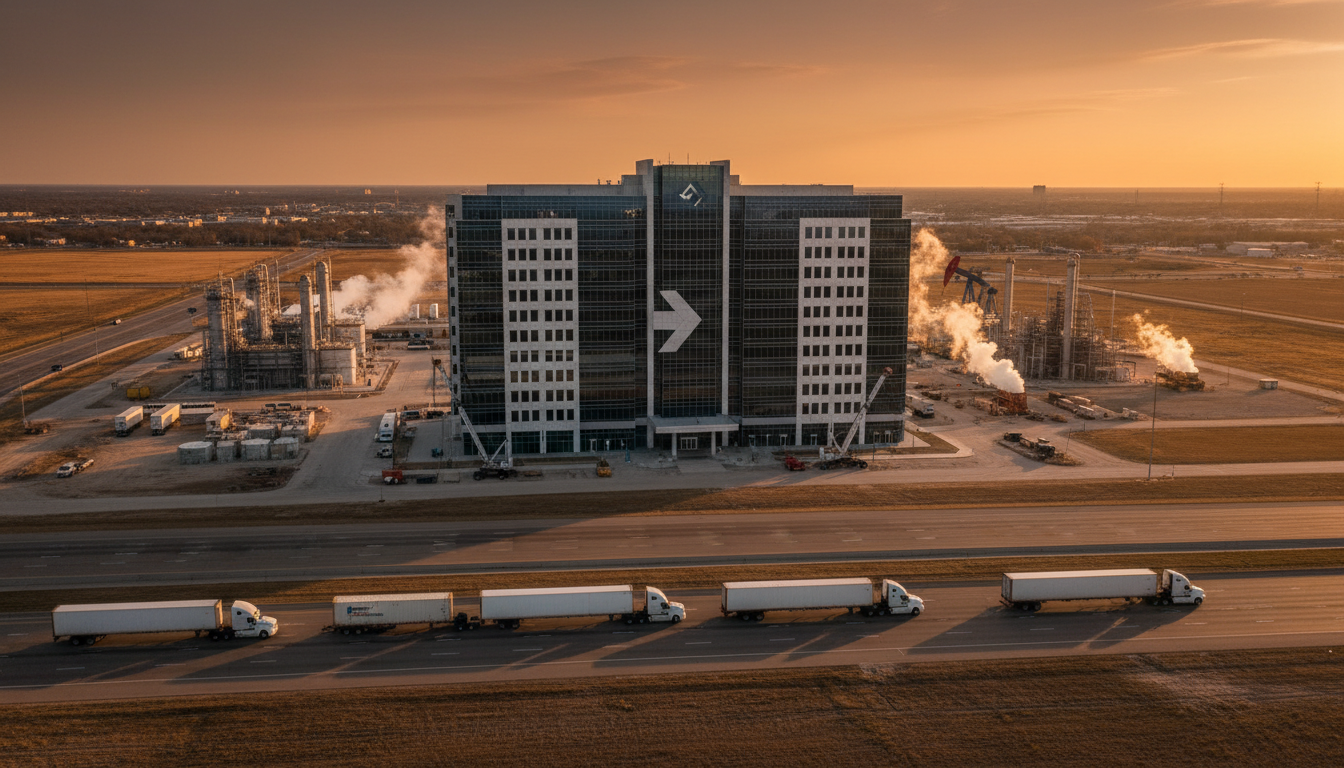
The planned transition will shift Weatherford’s parent entity from its current legal base in Ireland directly to Texas. This realignment aims to create a more cohesive relationship between the company’s legal framework and its substantial operational footprint. Weatherford has long maintained its global operational headquarters in Houston, Texas, for over two decades, making this proposed move a natural evolution to align its corporate identity more closely with its primary operational nexus within the expansive U.S. energy corridor.
Strategic Rationale: Driving Efficiency and Optimizing Capital Access
Weatherford management underscores that this change forms a cornerstone of a broader corporate strategy to streamline operations, mitigate administrative complexities, and crucially, enhance its access to capital markets. For investors, these objectives signal a concerted effort to improve operational efficiency and strengthen the company’s financial foundation, potentially leading to more stable and predictable performance in the long term.
Girish Saligram, President and Chief Executive Officer of Weatherford, articulated the strategic impetus behind the relocation, emphasizing its role in the continuing evolution of what he refers to as “the New Weatherford.” Saligram stated, “This transition continues the evolution of the New Weatherford and brings greater alignment between our operating profile and structure. With improving free cash generation as our North Star, the Company’s balance sheet strength, operating performance and organizational culture gives ample confidence in our long-term opportunity set and potential.” This statement highlights a clear focus on bolstering free cash flow generation and leveraging existing organizational strengths to capitalize on future opportunities in the demanding oil and gas sector.
Deepening Ties to the U.S. Energy Hub and Expanding Investor Horizons
The CEO further elaborated on the strategic advantages of physically locating the company’s legal seat where its leadership and central expertise reside. “We believe that our redomestication to the United States, and specifically to Texas where our leadership and central organizational expertise reside, strengthens our ability to execute on our strategy with even greater clarity and efficiency,” Saligram noted. This strategic choice is anticipated to foster tighter integration between corporate strategy and operational execution, potentially accelerating decision-making and enhancing Weatherford’s agility in responding to dynamic market conditions globally.
For current and prospective investors, a key benefit of this redomestication lies in the expected expansion of Weatherford’s potential investor base. A U.S. legal domicile often makes a company more appealing to a broader spectrum of institutional and retail investors, particularly those with specific mandates or preferences for investing in U.S.-domiciled entities. This enhanced visibility and attractiveness in the world’s largest capital market could lead to increased liquidity in Weatherford’s shares and potentially foster a more favorable valuation, reflecting improved investor confidence and access.
Enhanced Financial Flexibility and Strategic Tax Management
Beyond broadening its investor appeal, Weatherford anticipates that relocating its legal domicile will significantly improve its access to various forms of financing. Operating under the U.S. legal and regulatory framework could simplify the processes for raising both debt and equity capital, providing the company with greater financial maneuverability. This flexibility is crucial for funding strategic growth initiatives, driving research and development, and supporting general corporate objectives in a capital-intensive industry like oilfield services.
Furthermore, the company highlighted that the move is expected to provide greater flexibility in managing its global tax considerations. While specific details on the tax implications were not fully disclosed, optimizing corporate tax structures is a common and powerful driver for redomestication strategies. Such adjustments are typically aimed at improving after-tax profitability, which can ultimately lead to increased retained earnings available for reinvestment or greater distributions to shareholders, thereby enhancing overall shareholder value.
Unwavering Global Commitment and Accelerated Innovation Roadmap
Despite this significant internal corporate restructuring, Weatherford has unequivocally affirmed its steadfast commitment to its global operations and international customer base. The company explicitly stated that the redomestication process will not disrupt its extensive international footprint or its ongoing commitments to clients across its diverse operational regions. This assurance is vital for investors, signaling that the strategic shift is about optimizing corporate structure rather than diminishing operational reach or service delivery.
Saligram reiterated this commitment to global engagement, asserting, “As we take this step, our focus on delivering for all of our global customers and advancing our global operations remains unwavering.” He also expressed confidence that this strategic realignment is poised to “accelerate innovation, expand our capabilities, and continue delivering differentiated value across the global energy sector, while generating greater returns for our shareholders.” This perspective suggests that the simplified structure and enhanced financial agility are expected to directly translate into a more robust capacity for technological advancements and superior service offerings, which in turn are projected to bolster the company’s financial performance and drive greater shareholder returns.
In summary, Weatherford International’s proposed redomestication to Texas represents a meticulously planned and comprehensive strategic maneuver. It is designed to create a more robust alignment between its legal identity and its operational realities, streamline its corporate functions, and unlock substantial financial and capital market advantages. For investors keenly observing the oilfield services sector, this relocation signifies a new strategic chapter, promising enhanced operational efficiency, stronger financial performance, and increased shareholder value as Weatherford further embeds itself within the formidable U.S. energy ecosystem.
