

Manila Navigates Geopolitical Currents: Secures Energy Passage and Diversifies Supply Amidst Global Volatility
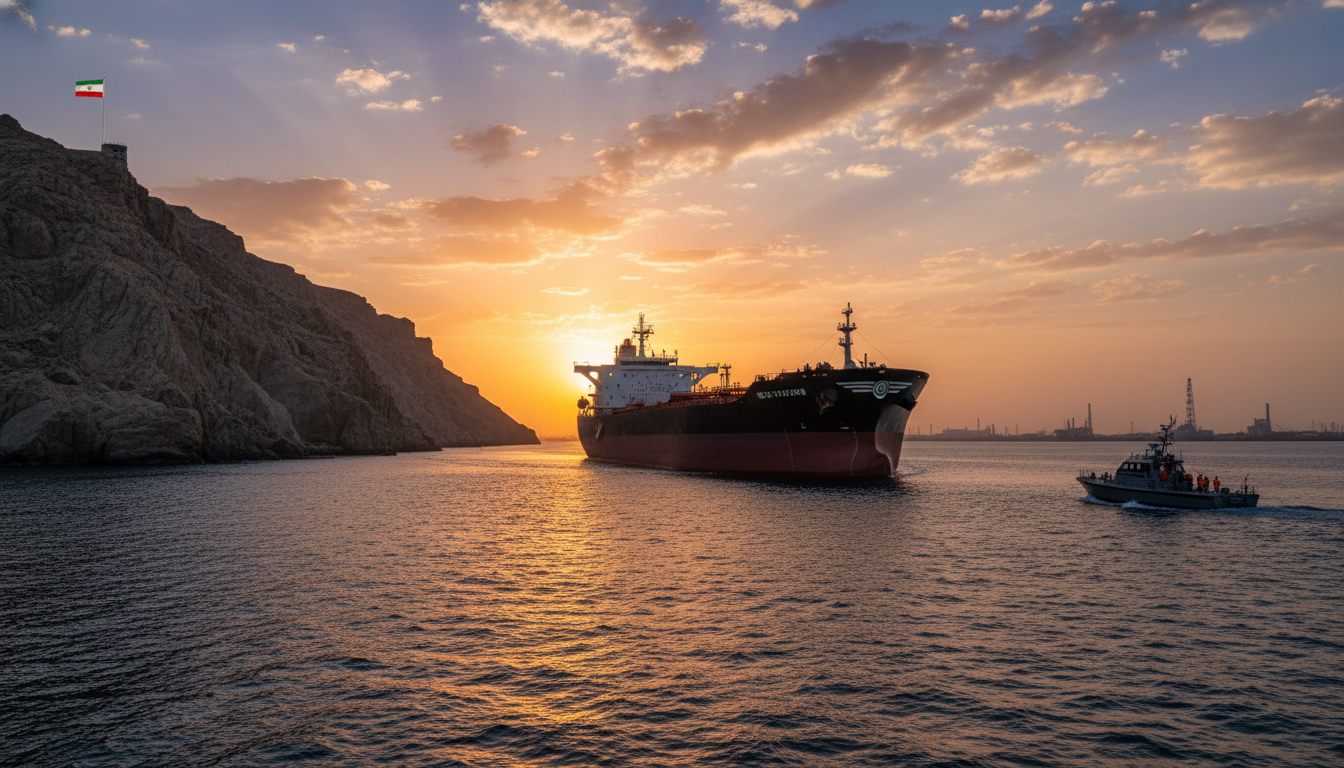
Investors closely monitoring global energy markets have gained clearer insight into the Philippines’ proactive approach to securing its vital oil supplies. A recent diplomatic breakthrough with Iran ensures unrestricted passage for Philippine-flagged vessels and energy cargoes through the critically important Strait of Hormuz, a move designed to stabilize crucial supply lines originating from the Middle East.
The assurance came directly from Iranian Foreign Affairs Minister Abbas Araghchi during a pivotal phone conversation with his Filipino counterpart, Ma. Theresa P. Lazaro. Minister Araghchi unequivocally guaranteed “safe, unhindered and expeditious passage through the Strait of Hormuz” for all Philippine-flagged ships, energy resources, and Filipino seafarers. This diplomatic success significantly mitigates a key transit risk for a nation heavily reliant on imported energy.
Considering that the Philippines sources a substantial majority of its energy requirements from the Middle East, these firm commitments from Tehran are anticipated to bolster the consistent delivery of essential oil and fertilizer supplies. The dialogue concluded with both nations reaffirming their dedication to fostering robust bilateral relations and pursuing enduring peace through continuous diplomatic engagement, signaling a constructive path forward for regional energy stability.
Philippines’ Strategic Dependency: A Deep Dive into Crude and Product Imports
Understanding the Philippines’ energy landscape reveals its concentrated reliance on specific Middle Eastern producers. Latest annual energy statistics from the Philippine Department of Energy (DOE) for 2024 highlight a total crude oil import volume of 45.37 million barrels. Saudi Arabia emerged as the dominant supplier, accounting for a significant 51.4 percent of this total. The United Arab Emirates followed, contributing 30.9 percent, while Iraq provided 13.4 percent, and Qatar made up 1.1 percent.
For refined oil products, the Middle East, primarily led by Qatar, supplied 5.86 million barrels to the Philippines in 2024. However, the nation’s broader petroleum product sourcing strategy exhibits greater diversification, with significant volumes also procured from key Asian trading hubs including South Korea, China, and various Southeast Asian nations. This mix underscores a nuanced approach to managing different segments of its energy commodity needs, balancing direct crude imports with regional product purchases.
Manila Declares Energy Emergency, Accelerates Diversification Drive
In a decisive move to fortify national energy security against external shocks, Philippine President Ferdinand Marcos Jr. recently declared a one-year state of national energy emergency. This executive order, issued last week on March 24, cites “an imminent danger of a critically low energy supply” and aims to expedite governmental efforts to alleviate the impact of ongoing geopolitical tensions in the Middle East. Such a declaration underscores the severe potential economic repercussions of disrupted energy flows and signals a high-priority national effort to safeguard the economy.
Responding to this urgent imperative, Manila has swiftly moved to diversify its energy acquisition strategies. On March 26, local reports confirmed the arrival of 700,000 barrels of Russian crude, marking a tangible step toward broadening its supplier base. This initiative extends beyond spot purchases. Palace Press Officer Claire Castro, relaying information from DOE Secretary Sharon Garin, announced on March 27 that the Philippines is actively engaged in discussions with a broader spectrum of international partners, including India, Argentina, and Canada. This strategic outreach targets nations less dependent on Middle Eastern petroleum, aiming to establish resilient and geographically diverse long-term supply agreements.
Strategic Diesel Stockpiles Bolster Energy Resilience
The Department of Energy further detailed its aggressive approach to securing critical fuel supplies. As of Monday, the Philippines has successfully locked in 1.042 million barrels, equivalent to 165.68 million liters, of diesel slated for delivery throughout April. This substantial procurement is designed to create a robust national buffer against potential supply chain disruptions. The initial shipment, comprising 142,000 barrels from Japan, already arrived last week, demonstrating the rapid execution of this strategy.
Subsequent deliveries are strategically scheduled to arrive throughout the month, further building up national inventories. Early April will see 300,000 barrels (47.7 million liters) sourced from Malaysia or Singapore. Mid-April brings another 300,000 barrels (47.7 million liters) from North Asia or India, followed by a final 300,000 barrels (47.7 million liters) from Oman or Singapore by the end of April. Collectively, this procured volume is projected to meet the nation’s diesel requirements for a critical 51 days, according to the Presidential Communications Office. This significant inventory build-up provides invaluable stability and mitigates immediate risks for industries and transportation sectors.
PHP 20 Billion Fund Mobilized to Cushion Market Shocks
Beyond diplomatic assurances and diversified sourcing, the Philippines has also activated a substantial PHP 20 billion (approximately $330.92 million) emergency fund. This financial allocation is specifically earmarked for the procurement of refined oil products and liquefied petroleum gas (LPG), alongside the strategic build-up of national fuel stocks. This fund represents a robust financial commitment to directly intervene in the market, ensuring availability and price stability.
Under this comprehensive program, the DOE has set a target volume of up to 2 million barrels of fuel for strategic stocking. This ambitious goal aims to support domestic requirements and actively mitigate the adverse impact of global supply fluctuations on local consumers and businesses. The DOE emphasizes its ongoing commitment to pursuing all available measures, from international diplomacy and close inter-agency coordination to sustained monitoring of the domestic market, ensuring fuel availability and insulating the country from external energy shocks. These integrated strategies underscore the Philippines’ resolve to safeguard its economic stability and foster a predictable environment for investors despite the turbulent global energy landscape.
