

Extreme Weather Events in Afghanistan Highlight Escalating Climate Risks for Global Energy Markets
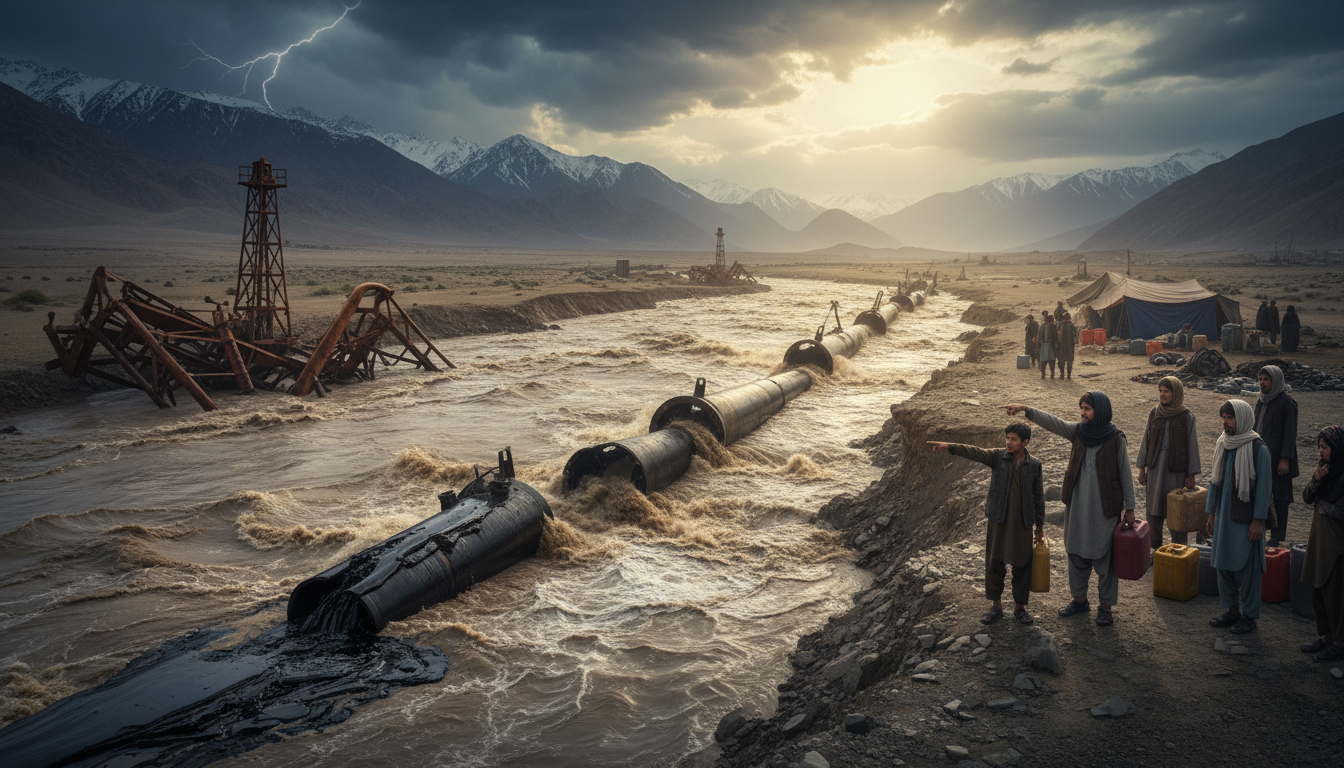
Kabul, Afghanistan – A recent surge of devastating floods across Afghanistan has tragically claimed at least 42 lives over the past five days, with an additional 14 fatalities recorded in just the last 24 hours, according to official reports. These calamitous events, which have also left 66 individuals injured, serve as a stark reminder of escalating climate-related vulnerabilities in regions already grappling with profound economic and political instability – a confluence of factors that increasingly demand attention from global energy investors and market analysts.
The Afghanistan National Disaster Management Authority confirms that widespread thunderstorms and torrential rainfall have impacted nearly every province, triggering not only severe floods but also destructive landslides and perilous lightning strikes. With forecasts predicting continued heavy rainfall across the nation for the next three days, the humanitarian and economic toll is expected to climb further. This pattern of intensifying extreme weather underscores a critical theme for the investment community: the growing impact of climate change on infrastructure, economies, and geopolitical stability, even in regions seemingly peripheral to traditional energy hubs.
Mounting Casualties and Infrastructure Damage Underscore Fragility
Preliminary field assessments from the United Nations Office for the Coordination of Humanitarian Affairs in Afghanistan indicate at least 19 deaths and over 900 families directly affected by the recent deluges. These figures, while subject to revision as evaluations continue, paint a grim picture of widespread devastation. The fragility of infrastructure and housing in remote areas, often constructed from rudimentary materials, offers minimal defense against such sudden and intense weather phenomena, exacerbating the humanitarian crisis.
This latest spate of floods follows a year marked by successive climate-induced disasters. Earlier in 2024, springtime flash floods resulted in over 300 fatalities, demonstrating a disturbing trend of increased frequency and severity. January also saw dozens perish amidst heavy snowfall and subsequent flash floods. For energy investors, these recurring events are not just humanitarian crises; they are bellwethers for the increasing physical risks climate change poses to global assets and supply chains, even if not directly impacting oil and gas production in this specific geography.
The Confluence of Conflict, Economy, and Climate: A Risk Multiplier
Afghanistan’s vulnerability to extreme weather is significantly amplified by a complex interplay of systemic issues. Decades of protracted conflict have decimated crucial infrastructure and stifled economic development, leaving the nation ill-equipped to withstand environmental shocks. A struggling economy, coupled with widespread deforestation, further erodes natural resilience against floods and landslides. These underlying structural weaknesses, when combined with the intensifying effects of global climate change, create a perilous feedback loop that magnifies the impact of each disaster.
The economic repercussions are immediate and severe. In the past 24 hours alone, 476 homes were reported either partially or completely destroyed, impacting 603 families. Beyond residences, critical businesses, essential agricultural land, and vital irrigation canals have sustained significant damage. Such widespread destruction not only imposes immense human suffering but also cripples local economies, disrupting livelihoods and further entrenching poverty. For investors evaluating emerging markets or regional stability, Afghanistan serves as a potent case study on how climate risks, when layered onto existing fragilities, can accelerate economic decline and geopolitical instability.
Implications for Global Energy Investment and Risk Assessment
While Afghanistan itself is not a major player in global oil and gas production, the unfolding crisis holds broader implications for energy sector investors. Firstly, it underscores the increasing necessity of integrating robust climate risk assessments into investment strategies worldwide. Extreme weather events are becoming more frequent and intense, threatening critical energy infrastructure, supply chains, and operational continuity across diverse geographies. Investors must consider the physical resilience of assets against a spectrum of climate hazards, from flooding to extreme heat and prolonged droughts.
Secondly, these events contribute to the broader narrative around energy transition. The human and economic costs of climate change-related disasters provide further impetus for the global pivot towards renewable energy sources and sustainable development practices. Capital flows are increasingly influenced by ESG (Environmental, Social, and Governance) considerations, and regions experiencing severe climate impacts often attract greater scrutiny regarding long-term investment viability and the stability of their operating environments. Oil and gas companies, therefore, face pressure not only to mitigate their own environmental footprint but also to demonstrate resilience against the impacts of a changing climate.
Finally, the instability fostered by recurrent crises, whether humanitarian or environmental, can have ripple effects on regional geopolitics. While Afghanistan’s immediate neighbors include some resource-rich nations, heightened instability could impact transit routes, regional trade, and investor confidence across Central Asia. For global energy markets, understanding and anticipating these complex interdependencies – where climate vulnerability intersects with socio-economic and political instability – is paramount for informed capital allocation and risk management.
The tragic events unfolding in Afghanistan are a stark reminder that climate risk is not a distant, theoretical concern, but a present and powerful force shaping economies and societies today. For the savvy energy investor, these developments reinforce the urgent need to factor climate resilience, geopolitical stability, and sustainable development into every facet of their market analysis and portfolio decisions, navigating a future where environmental realities increasingly dictate financial outcomes.
