

Geopolitical Tensions Ignite Oil Prices as Tanker Attack Rattles Global Energy Markets
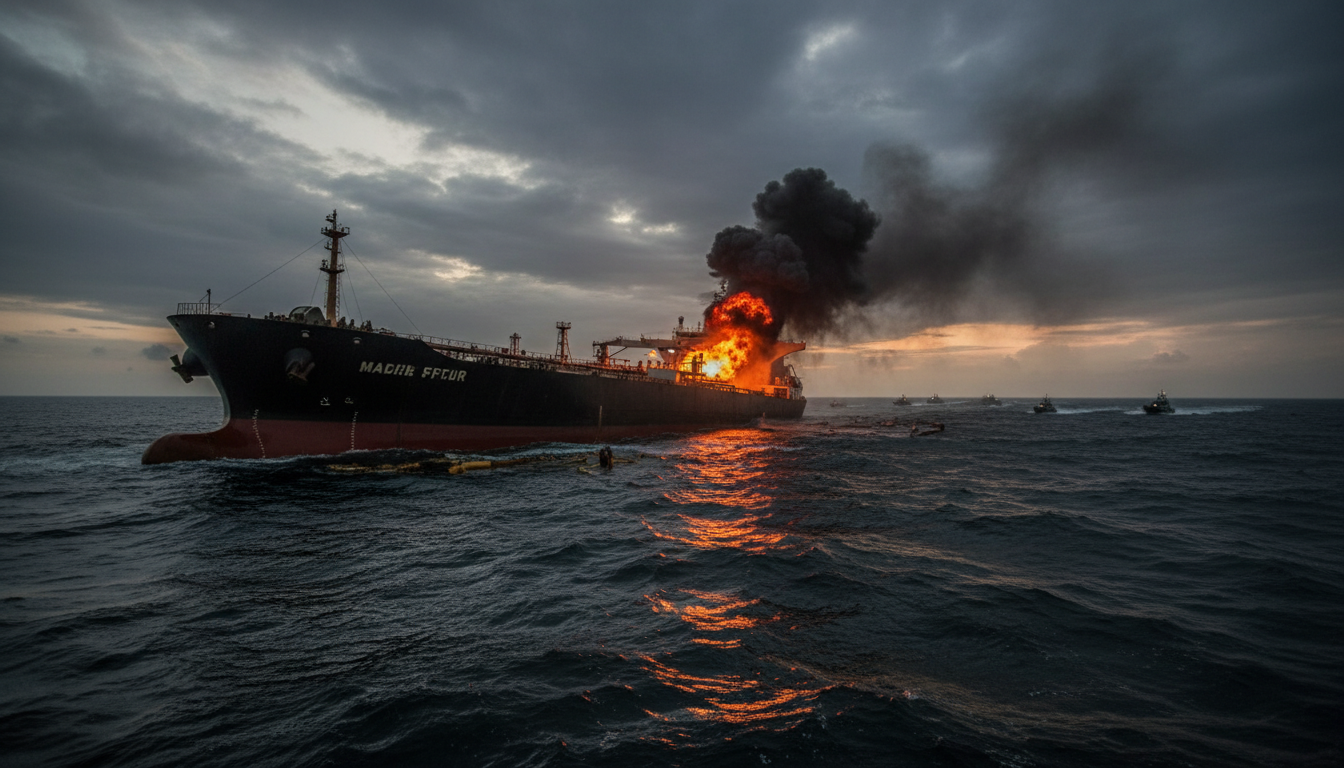
The global oil market is once again confronting acute geopolitical risk following a significant drone strike by Iranian forces on a fully laden Kuwaiti oil tanker, the Al-Salmi, operating off the coast of Dubai. This audacious assault, occurring early on Tuesday, immediately sent crude prices surging and dramatically escalated maritime security concerns around the strategically critical Strait of Hormuz, a vital chokepoint for international energy flows. For investors in oil and gas, this incident underscores the persistent volatility and supply chain vulnerabilities inherent in the current Middle East landscape.
Immediate Market Reaction and Underlying Volatility
The ramifications for crude benchmarks were swift. West Texas Intermediate (WTI) futures reacted sharply, initially jumping by nearly 4 percent, pushing prices towards the $107 per barrel mark before paring some of those gains later in the session. This immediate spike highlights the market’s acute sensitivity to disruptions in the Persian Gulf, a region responsible for a substantial portion of the world’s crude oil supply. While prices stabilized somewhat, the underlying message is clear: any escalation in regional hostilities will be met with upward pressure on energy commodities, translating directly into heightened risk premiums for investors holding positions in exploration, production, and shipping assets.
The Al-Salmi Incident: A Closer Look at the Threat
The Al-Salmi, a Very Large Crude Carrier (VLCC) flying the Kuwaiti flag, found itself targeted in a highly vulnerable location. The drone strike occurred just after midnight local time while the vessel was anchored in Dubai’s busy port area, merely 31 nautical miles northwest of the emirate. This zone is typically teeming with hundreds of vessels awaiting passage out of the Persian Gulf, making it a particularly sensitive area for such an attack. State-run Kuwait Petroleum Corp. confirmed the strike, detailing damage to the hull and an initial fire onboard. Fortunately, the Dubai Media Office later reported that the blaze was extinguished, the incident contained, and critically, no oil leakage occurred. All 24 crew members were reported safe, averting a potential environmental catastrophe and further human tragedy.
Strait of Hormuz: The Unfolding Chokepoint Crisis
This incident forcefully reminds market participants of Iran’s assertive control over the Strait of Hormuz. This narrow waterway serves as the singular maritime gateway to the Persian Gulf, through which a significant percentage of the world’s seaborne oil and gas transits daily. Tehran has consistently demonstrated its capability and willingness to impede traffic through this strategic corridor, effectively reducing commercial shipping to a mere trickle. This latest strike represents a stark escalation, breaking a recent period of relative calm in maritime attacks. The last reported close call involved a bulk carrier on March 21, suggesting that while prior incidents may have eased, the underlying threat to vessels and critical energy infrastructure remains profoundly elevated, demanding constant vigilance from energy investors.
Regional Conflict and US Posture
The attack on the Al-Salmi is a stark symptom of a deepening Middle East conflict that shows no signs of resolution. Despite ongoing diplomatic rhetoric, the reality on the ground indicates a sustained state of tension and hostility. The broader geopolitical context includes explicit threats from US President Donald Trump against Iranian infrastructure, encompassing vital power plants and oil facilities. Concurrently, the deployment of additional US troops to the region signals Washington’s resolve as the conflict extends into its fifth week. For energy sector investors, this dynamic translates into enduring uncertainty, as the potential for wider regional destabilization could trigger severe disruptions to global crude supply chains and significantly impact market pricing for an extended period.
Heightened Shipping Risks and Insurance Implications
The latest aggression will undoubtedly revive acute concerns among shipowners and operators navigating the volatile waters of the Persian Gulf. Dubai’s anchorage area is a customary stopping point for vessels seeking to finalize war-risk insurance coverage and other critical arrangements before embarking on the perilous journey through the narrow Strait of Hormuz. Data compiled by Bloomberg indicated over 400 ships of various types present in and around the anchorage zone on Tuesday morning when the Al-Salmi was struck. This density of traffic, coupled with reports of potential electronic interference that can misrepresent actual ship locations, compounds the operational risks. Investors with exposure to maritime logistics, tanker fleets, or commodity trading desks must factor in escalating insurance premiums and the increasing complexities of securing safe transit through this high-risk zone.
Vessel Navigation and Deterrence Measures Under Threat
The journey of the Al-Salmi itself illustrates the complex maneuvering vessels undertake in an attempt to mitigate risk. Ship-tracking data reveals the tanker entered the Gulf in late February, picked up cargo at Saudi Arabia’s Khafji port, then proceeded to Kuwait’s Mina Al Ahmadi for additional crude, before moving fully laden to the UAE, where it remained off Dubai. Throughout this perilous voyage, the vessel’s signaling reflected a deliberate effort to clarify its associations and potentially deter attacks. It consistently broadcast its Kuwaiti flag, declared its destination as China’s Qingdao, and at times even switched its declared cargo to “Chinese,” an apparent attempt to leverage broader international relations as a protective measure against hostile actions. Such tactical signaling underscores the perilous environment in which global oil shipments now operate, forcing vessel operators to employ every available means to ensure safety amidst ongoing geopolitical threats.
Investor Outlook: Navigating Persistent Volatility
In conclusion, the drone attack on the Al-Salmi serves as a stark reminder of the enduring and unpredictable nature of geopolitical risk in the Middle East. For investors tracking oil and gas markets, this incident is not merely an isolated event but a critical data point signaling persistent threats to global crude supply, maritime security, and ultimately, energy prices. The region’s ongoing conflict, coupled with the strategic importance of the Strait of Hormuz, guarantees continued volatility. Prudent investors must remain acutely aware of these dynamics, understanding that sudden escalations can swiftly reshape market fundamentals and demand strategic adjustments to their portfolios. The imperative for vigilance and robust risk assessment in energy investing has never been more critical.
