India’s LPG Strategy in a Volatile Market: Implications for OMC Investors
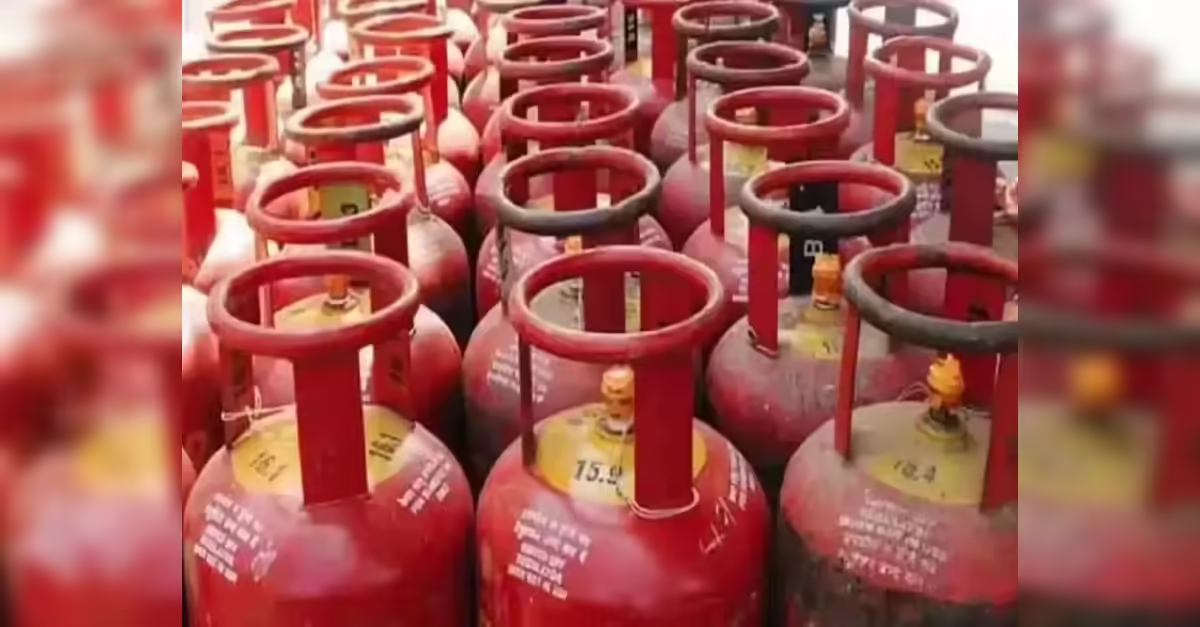
India’s state-run oil marketing companies (OMCs) are navigating a complex landscape of geopolitical tension and tightening energy supplies, with a proposed strategic shift set to redefine their domestic LPG distribution. Faced with dwindling inventories and constrained imports, these companies are actively considering supplying a reduced 10 kg of LPG in their standard 14.2 kg cylinders. This move, while seemingly a reduction in volume per transaction, is a calculated maneuver designed to conserve precious LPG stocks and ensure continued service to the widest possible household base. For investors tracking these energy giants, understanding this adaptive strategy is crucial, as it speaks directly to operational resilience, market share preservation, and the future trajectory of sales in a supply-constrained environment.
Geopolitical Undercurrents and Commodity Price Pressures
The impetus for India’s LPG strategy stems directly from escalating geopolitical tensions, particularly the ongoing conflict impacting the Strait of Hormuz. This critical chokepoint, through which a significant portion of global energy supplies passes, has seen reduced traffic, directly affecting India’s LPG imports. With the Gulf region historically accounting for 90% of India’s LPG supplies, the current situation has led to shrinking domestic inventories and a “worrisome” supply outlook, as recently highlighted by petroleum ministry officials. This localized supply crunch is also reflected in broader energy markets. As of today, Brent Crude trades at $92.29 per barrel, down 1.02% from its previous close, while WTI Crude stands at $88.6, down 1.19%. This daily dip follows a more significant trend; Brent has shed $7.07, or 7%, over the past 14 days, signaling persistent market anxiety over global supply stability and the potential for further disruptions. Such volatility directly impacts the cost of LPG feedstocks, adding another layer of pressure on OMCs already grappling with supply logistics.
OMCs Pivot for Resilience: Driving Sales Through Sustained Reach
The proposed shift to 10 kg LPG cylinders, while reducing the volume per refill, is a strategic play aimed at bolstering OMCs’ sales growth through enhanced market reach and customer retention. By stretching available volumes, companies can serve “as many homes as possible,” effectively preserving their customer base and potentially increasing refill frequency. A standard 14.2 kg cylinder typically lasts 35-40 days for an average household, while a 10 kg refill is estimated to sustain a home for nearly a month. This narrower gap suggests consumers may require more frequent refills, translating into a higher number of transactions for OMCs, even if the per-transaction volume is lower. This strategy prioritizes sustaining the flow of product to the maximum number of consumers, thereby maintaining market penetration and transaction velocity in a critically tight market. While operational adjustments, such as recalibrating bottling plant weighing systems and securing regulatory approvals, pose challenges, the core objective is to ensure OMCs remain the primary and reliable supplier in a stressed market, a critical factor for long-term sales and market share.
Investor Outlook: Navigating Volatility and Anticipating Future Catalysts
Investors are keenly observing the direction of crude prices and the broader energy market, with common inquiries centering on whether WTI will trend up or down, and predictions for oil prices by the end of 2026. The current market volatility, evidenced by Brent’s 7% decline over the past two weeks, underscores the direct impact of geopolitical events and supply concerns on commodity prices. For OMCs, stable crude and LPG prices are paramount for predictable cost structures and profitability. Looking ahead, a series of critical data releases will provide further clarity for investors. The EIA Weekly Petroleum Status Reports, scheduled for April 22nd, April 29th, and May 6th, will offer vital insights into U.S. crude oil and product inventories, refinery activity, and demand, influencing global sentiment. Similarly, the Baker Hughes Rig Count on April 24th and May 1st will indicate future production trends. Perhaps most significant for a forward-looking perspective will be the EIA Short-Term Energy Outlook on May 2nd, which will provide updated forecasts for supply, demand, and prices. These upcoming events will be crucial for assessing whether the current supply pressures on LPG and the broader crude market will persist, intensify, or begin to ease, directly impacting the investment thesis for OMCs and other energy players.
Strategic Adaptation in a Shifting Energy Landscape
The proposed move by India’s OMCs to implement smaller LPG cylinders is a potent example of strategic adaptation in a rapidly shifting global energy landscape. Faced with severe supply constraints driven by geopolitical instability, the decision to prioritize wider distribution over larger individual volumes reflects a commitment to energy security and sustained customer engagement. For investors, this initiative highlights the resilience of these state-run entities and their capacity to innovate under duress. While the immediate operational adjustments and political sensitivities must be navigated carefully, the long-term goal of maintaining a robust customer base and ensuring consistent transaction flow positions OMCs for sustained relevance. Monitoring not only the execution of this strategy but also the trajectory of global crude prices, geopolitical developments, and upcoming industry reports will be essential for investors aiming to capitalize on the evolving dynamics of the energy sector.


