 “>
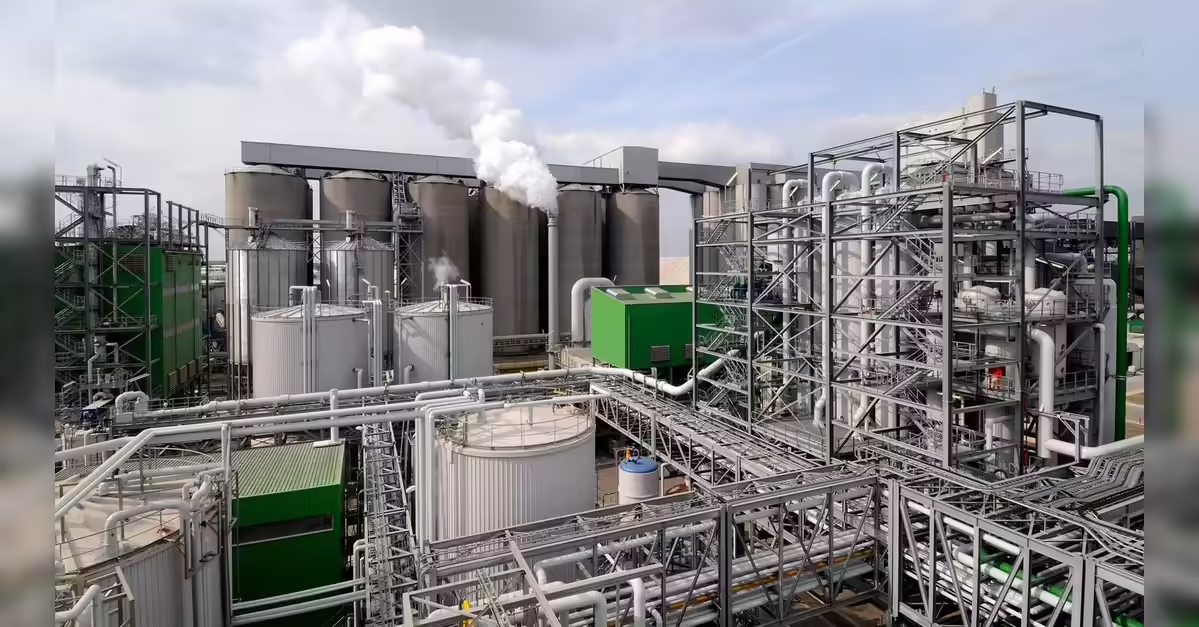
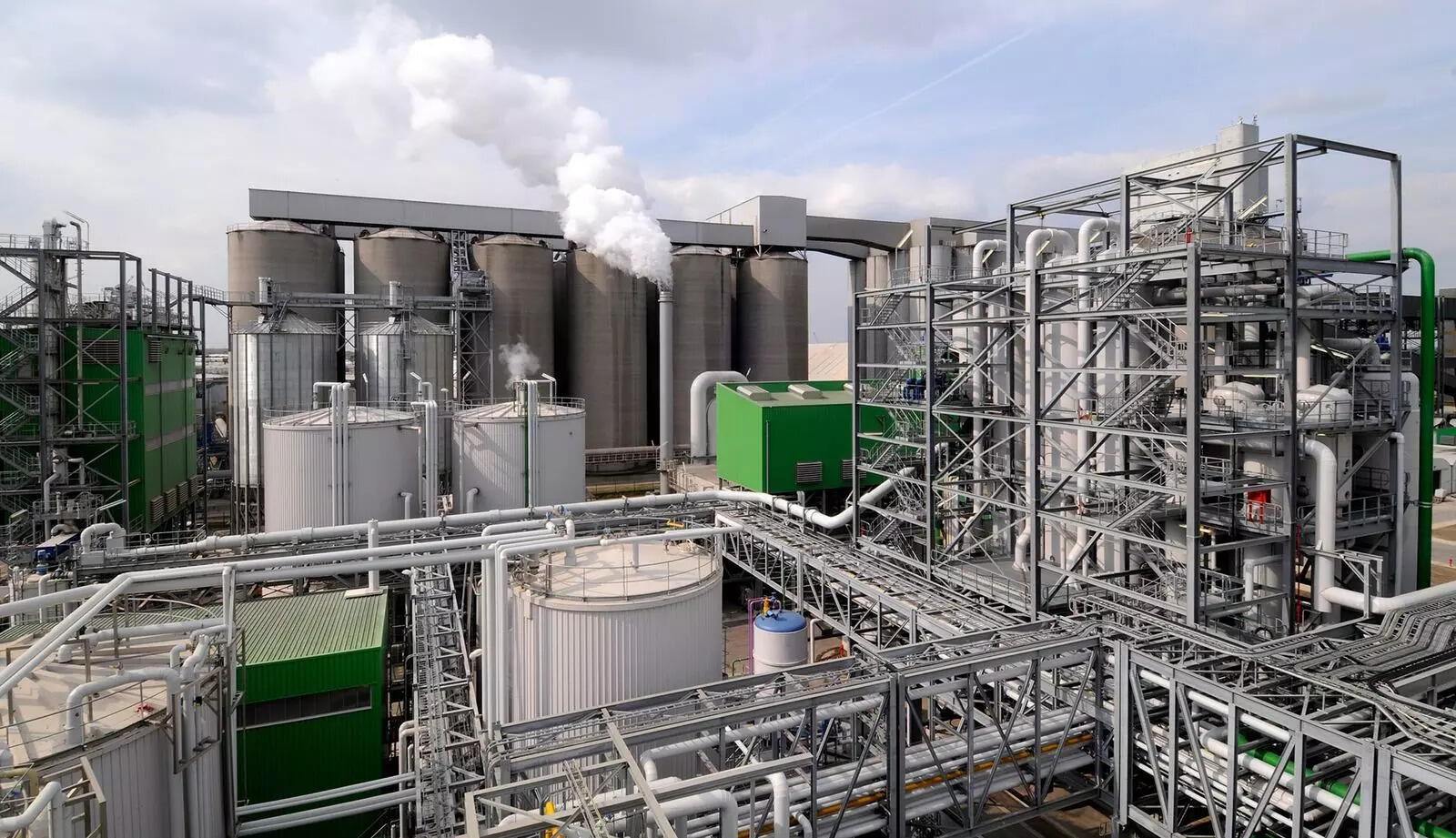
“>Bharat Petroleum Corporation Limited (BPCL) on Friday commissioned its second-generation (2G) bioethanol refinery at Bargarh, strengthening India’s efforts to accelerate the adoption of clean fuels and reduce dependence on fossil fuels.
The facility has a production capacity of 100 kilo litres per day (KL/day) of fuel-grade bioethanol, produced from rice straw using advanced lignocellulosic technology. The process involves pretreatment and fermentation of agricultural residues, enabling conversion of non-food biomass into sustainable fuel, the state-owned refiner said on X.
The refinery has been designed as a Zero Liquid Discharge (ZLD) plant, incorporating solid-liquid separation systems to optimise water use and minimise environmental impact, in line with stricter sustainability norms.
The project aligns with the government’s E20 ethanol-blending programme, which targets 20 per cent ethanol blending in petrol, and supports the National Policy on Biofuels, which aims to boost domestic biofuel production. It also helps reduce stubble burning by providing an alternative use for crop residue, particularly in agricultural states.
In addition to environmental benefits, the plant is expected to support rural incomes by creating demand for agricultural waste and generating local employment across the value chain, from biomass collection to plant operations.
The project was executed with a strong focus on safety and engineering efficiency, achieving approximately 20 million lost-time accident (LTA)-free man-hours during construction.
The commissioning comes as oil marketing companies increasingly invest in biofuels, compressed biogas and other renewable energy solutions to diversify their portfolios and meet India’s long-term decarbonisation goals.