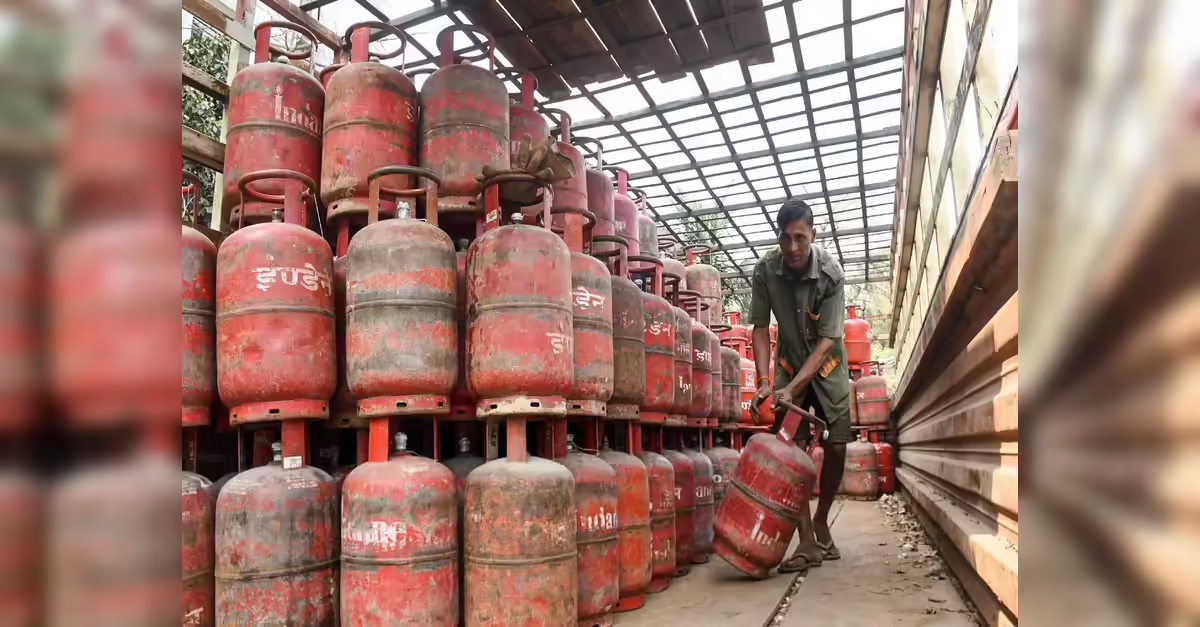
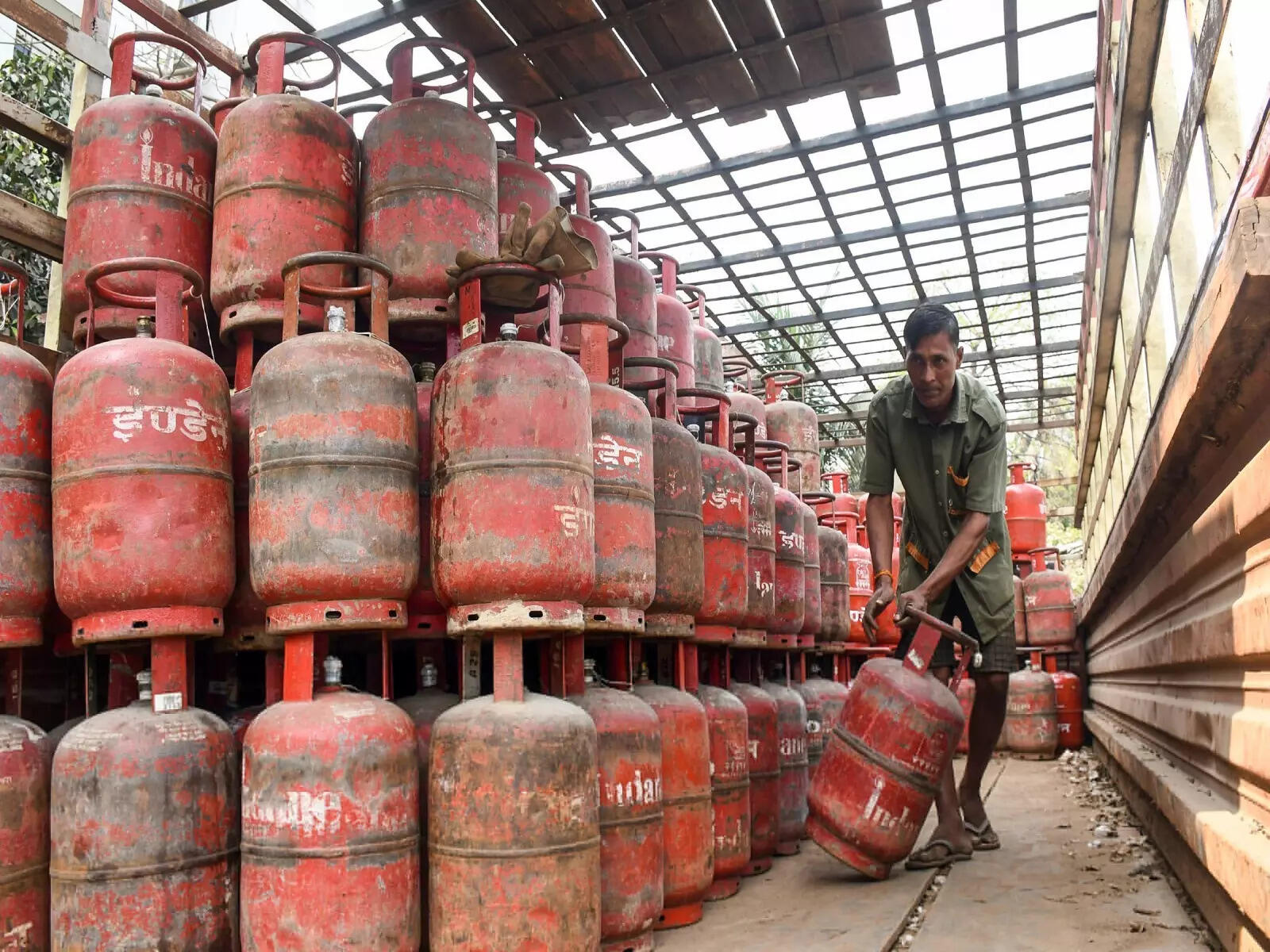
India is stepping up efforts to diversify its liquefied petroleum gas (LPG) imports and secure supplies, as disruptions in West Asia threaten availability of the key cooking fuel.
“India is increasingly turning to the US for LPG as geopolitical tensions reshape global trade flows. If West Asia conflict continues for a long period, there is a chance for North American LPG to gain a stronger foothold in the Indian import mix. Recent trade patterns show rising US volumes moving into India,” said Anmol Bhushan, associate director for LPG at S&P Global Energy CERA.
The country currently depends on the Gulf region for about 60 per cent of its LPG consumption, making it vulnerable to supply shocks. In response, the government has intensified diplomatic engagement and is encouraging the use of alternative fuels such as kerosene and coal for non-priority sectors to ease pressure on supplies.
India has also ensured the safe passage of state-owned LPG carriers through the Strait of Hormuz, a critical route that handles nearly 90 per cent of its West Asia LPG imports. Two vessels — VLGCs Shivalik and Nanda Devi — recently delivered over 92,000 metric tonnes of LPG to the domestic market.
US supplies gain traction
At the same time, trade flows indicate a growing shift towards the United States. US-origin LPG cargoes are increasingly entering India, with volumes now surpassing those from traditional Gulf suppliers in recent weeks, according to industry data.
India’s weekly LPG imports fell to 265,000 metric tonnes in the week to March 19, down from 322,000 metric tonnes earlier in the month. Imports from West Asia declined sharply to 89,000 metric tonnes, accounting for just 34 per cent of total shipments — the lowest share since January. Alternative supplies rose to 176,000 metric tonnes during the same period.
Indian oil marketing companies have also secured term contracts for 2.2 million metric tonnes of US-origin LPG for 2026, signalling a long-term diversification strategy.
Globally, LPG markets are tightening as disruptions in West Asia — responsible for nearly 30 per cent of global supply — have reduced cargo availability and pushed up prices across Asian markets.
Domestic measures to stabilise supply
To mitigate domestic impact, India is ramping up refinery output and implementing emergency supply measures. Reliance Industries is maximising LPG production at its Jamnagar complex, while authorities have revised cylinder booking intervals to ensure equitable distribution.
“The silver lining is the ongoing diplomatic dialogue between Iran and India. This engagement helped enable Indian-flagged LPG carriers to transit the region, setting a positive precedent,” said Charles Kim, associate director for LPG at S&P Global Commodities at Sea.
Domestic production currently meets around 41 per cent of India’s LPG demand, with the rest fulfilled through imports. State governments have also stepped up enforcement to curb hoarding and black marketing.
“Continued cooperation could support the passage of additional Indian-linked ships, keeping vital supply routes workable for India and offering some relief to the broader market,” he added.